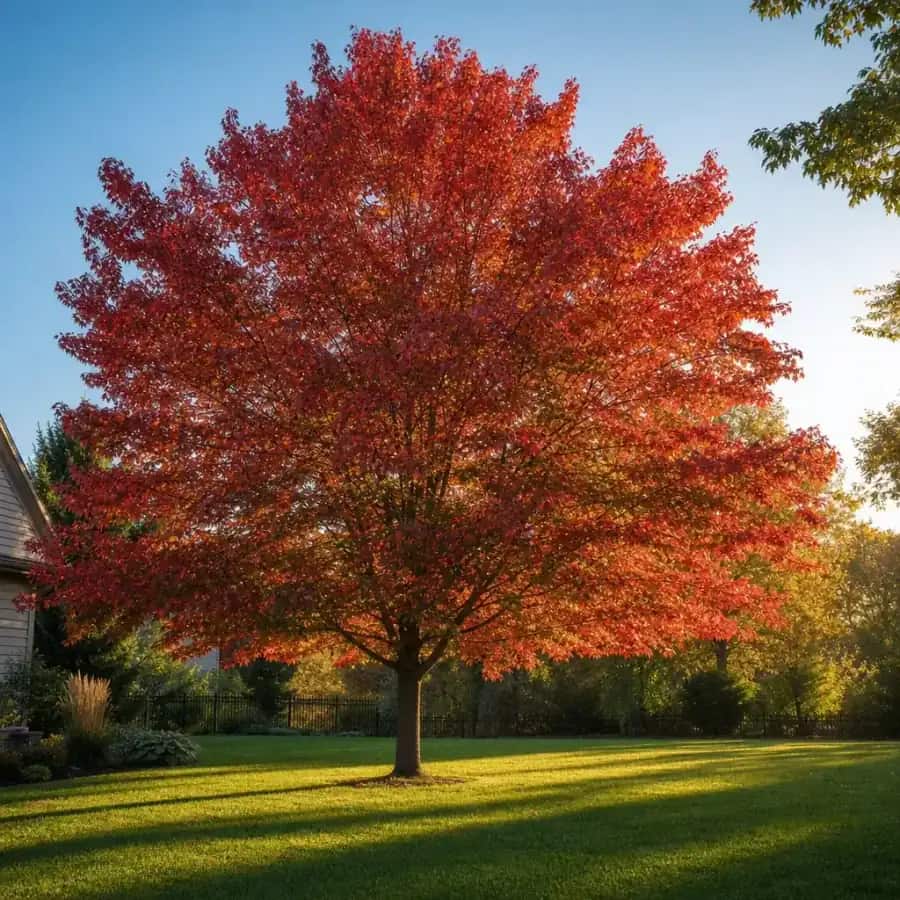
 Zones 3 to 8
Shade Trees
Autumn Blaze Red Maple
$60
Shop large, nursery-grown shade, privacy, flowering and fruit trees, delivered by freight in Grand Prairie. Every tree is matched to your hardiness zone and backed by our 1-Year Thrive Guarantee.
Enter your ZIP and we'll match trees to your exact growing zone.
Typical winter lows in Grand Prairie run about 15 to 20 F.
Matched to Grand Prairie's zone
Zones 3 to 8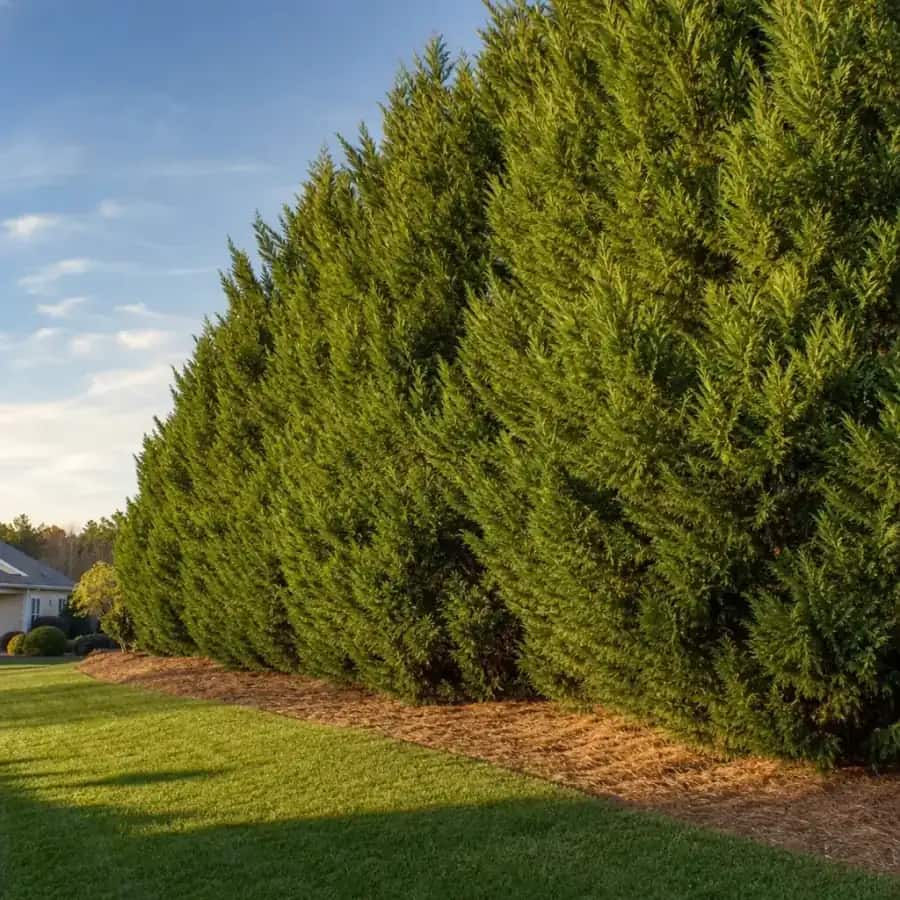 Zones 6 to 10
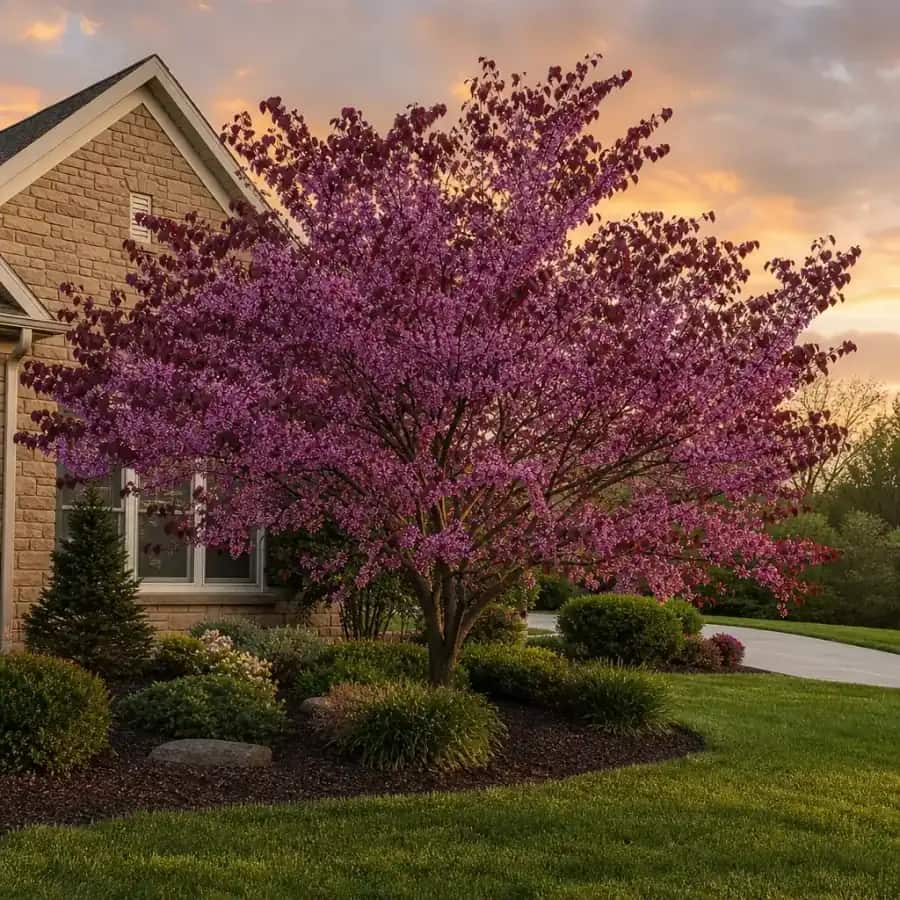 Zones 4 to 9
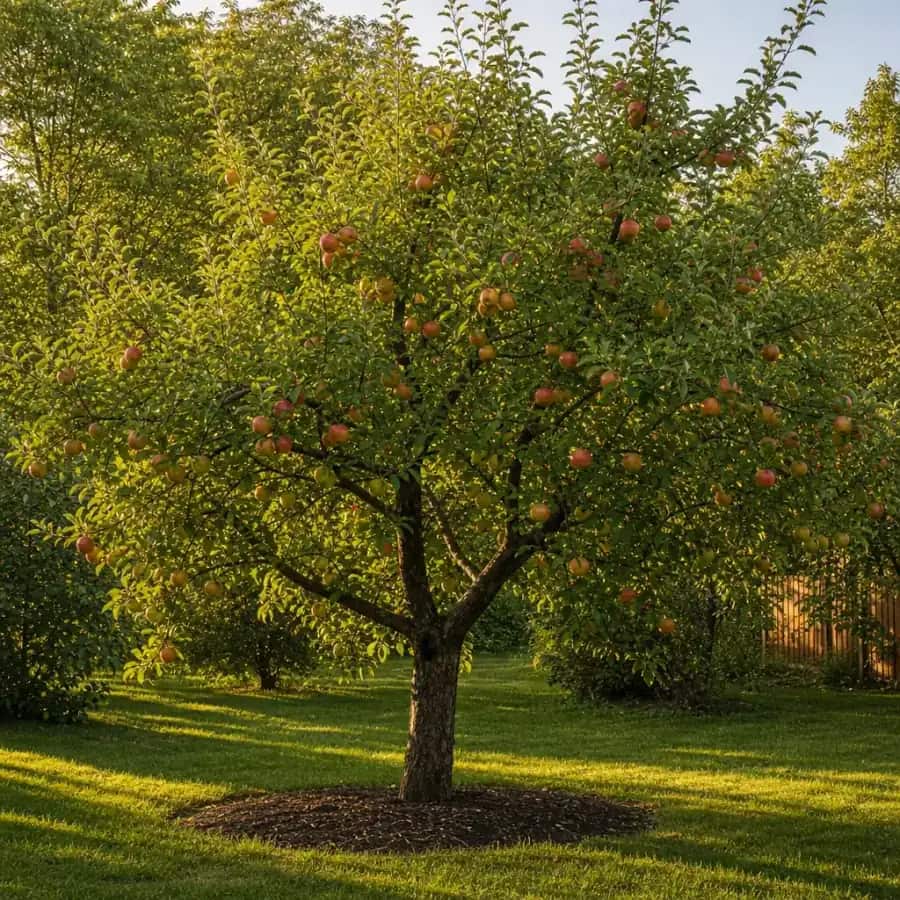 Zones 3 to 8
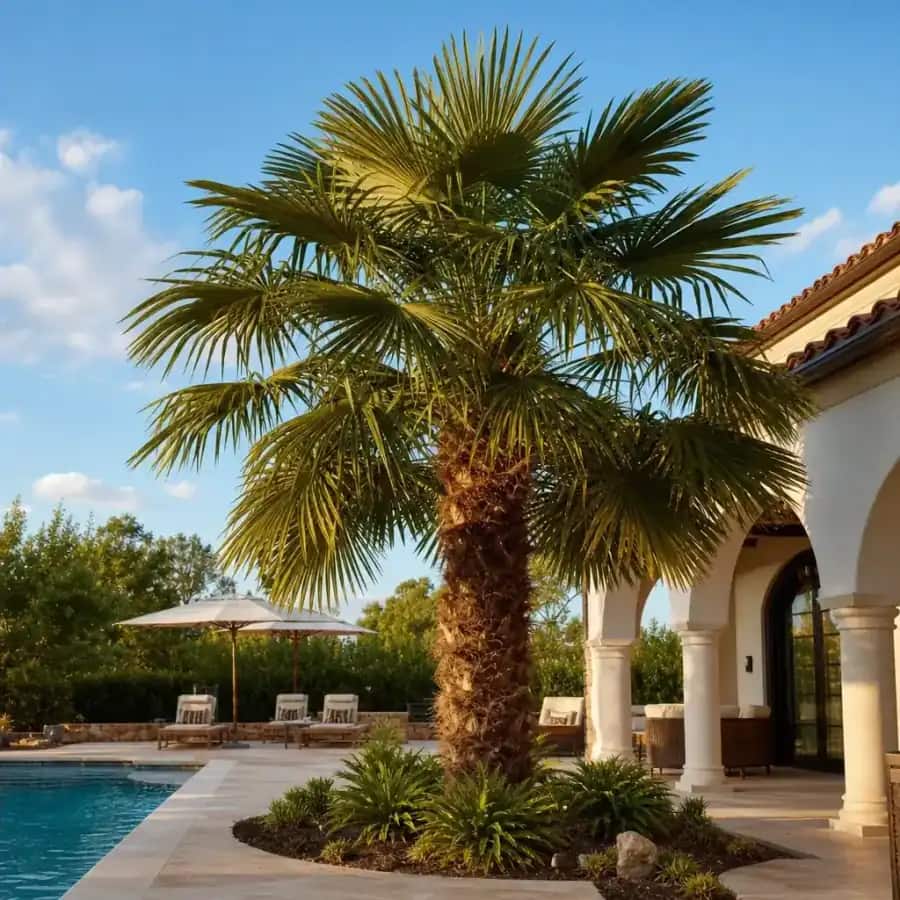 Zones 7 to 11
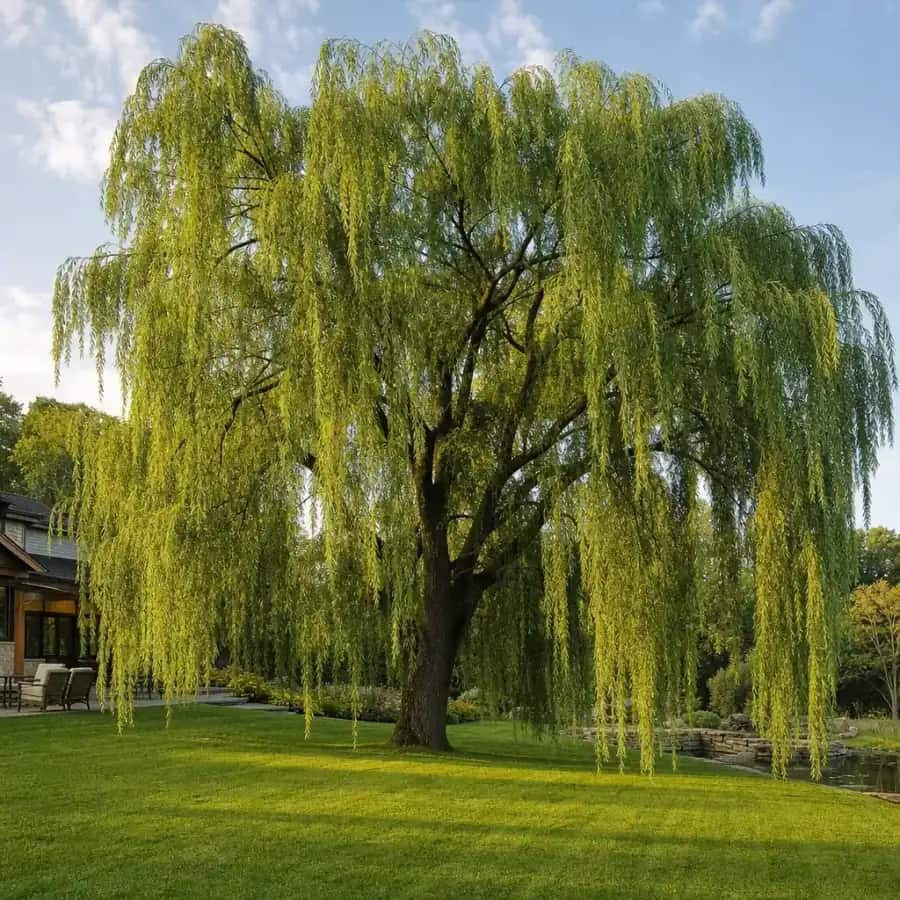 Zones 4 to 9
Shop by category
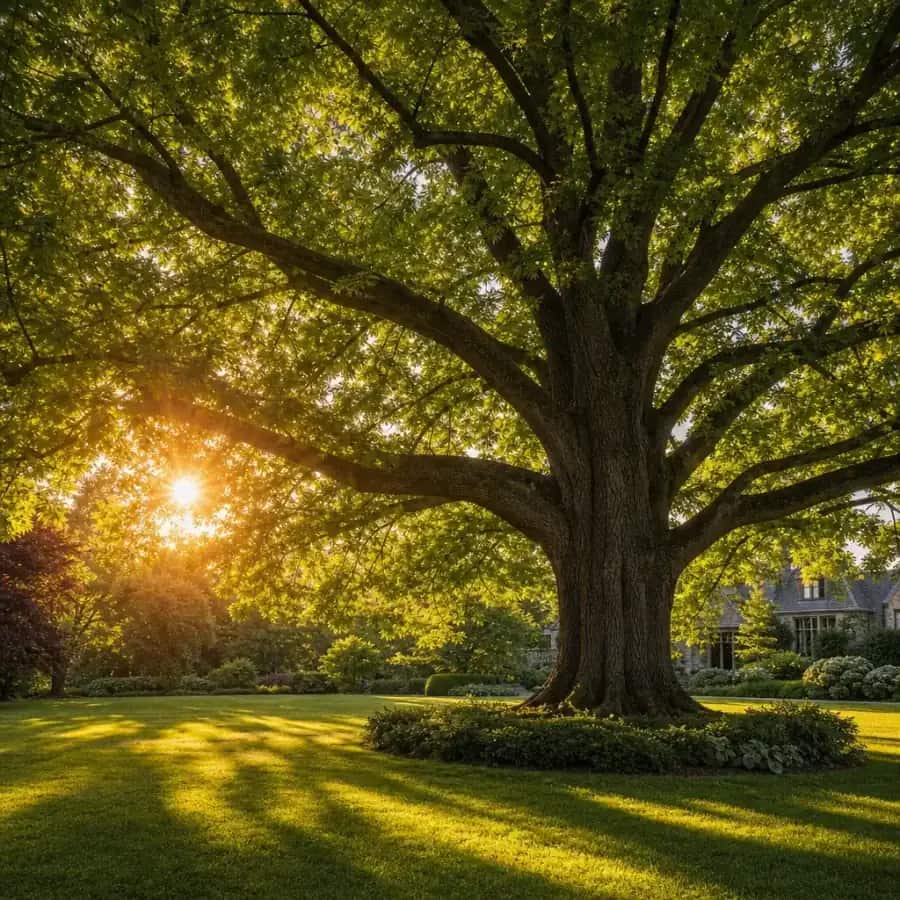 Shade TreesLarge oaks and ash varieties thrive in zone 8b's long growing season.View all Shade Trees →
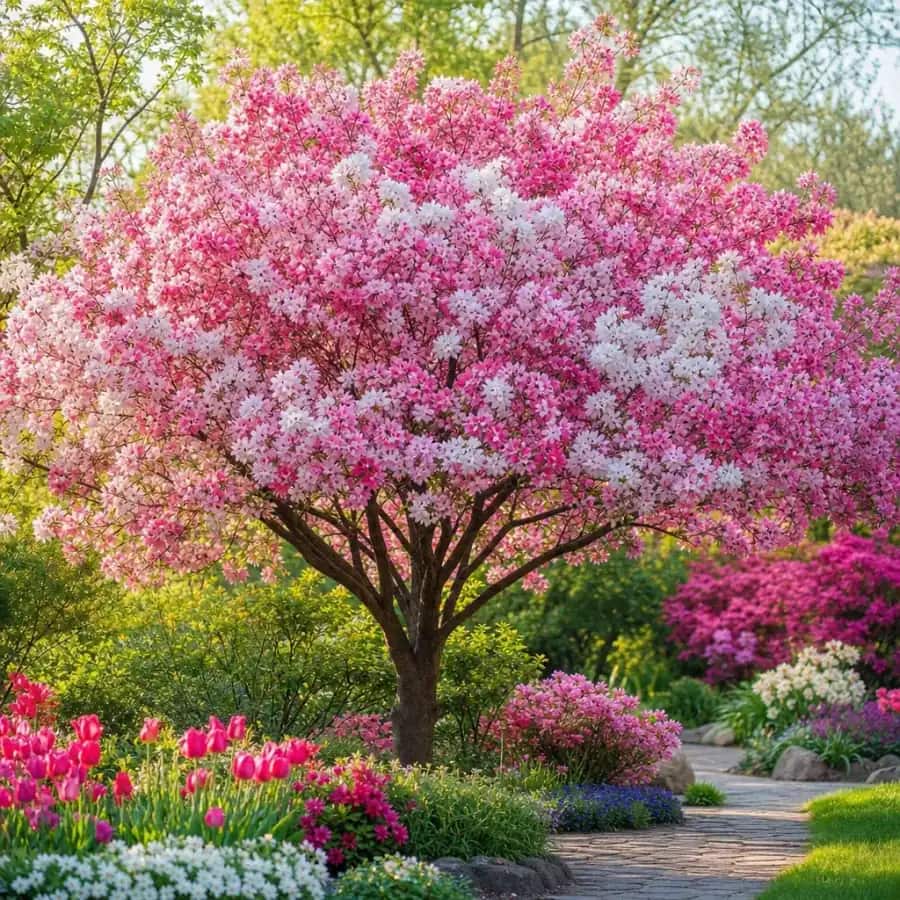 Flowering & OrnamentalNative plums and crape myrtles deliver reliable spring color.View all Flowering & Ornamental →
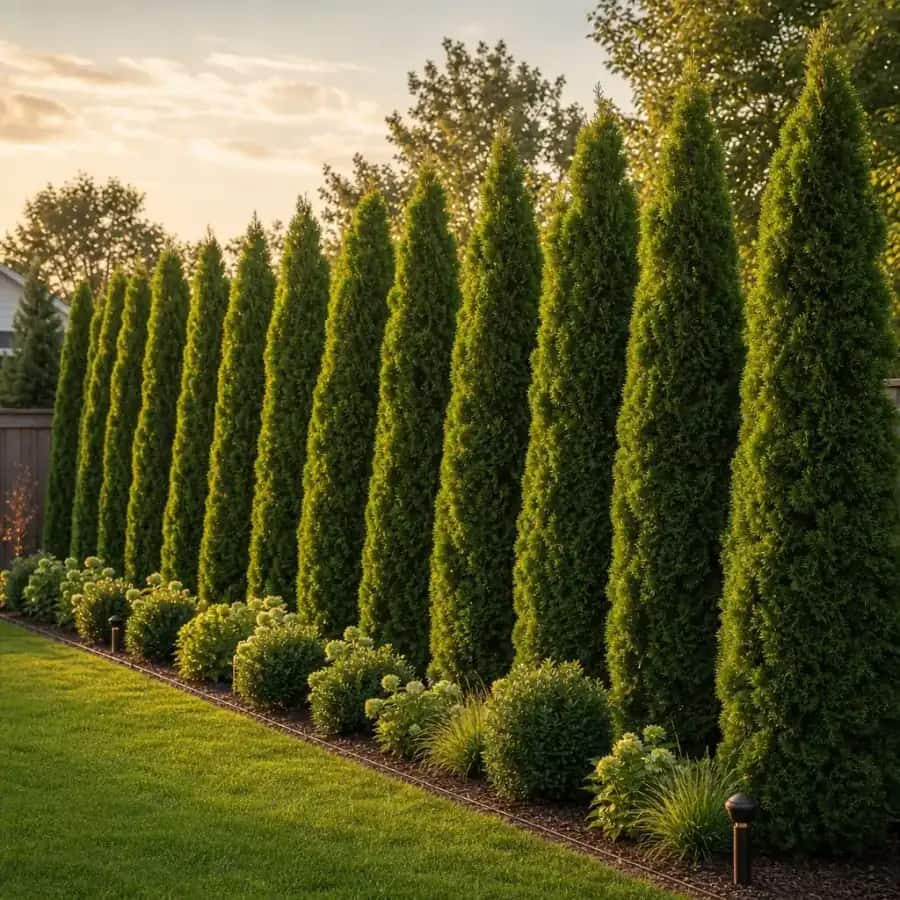 Evergreen & PrivacyColumnar junipers and hollies screen year-round in moderate winters.View all Evergreen & Privacy →
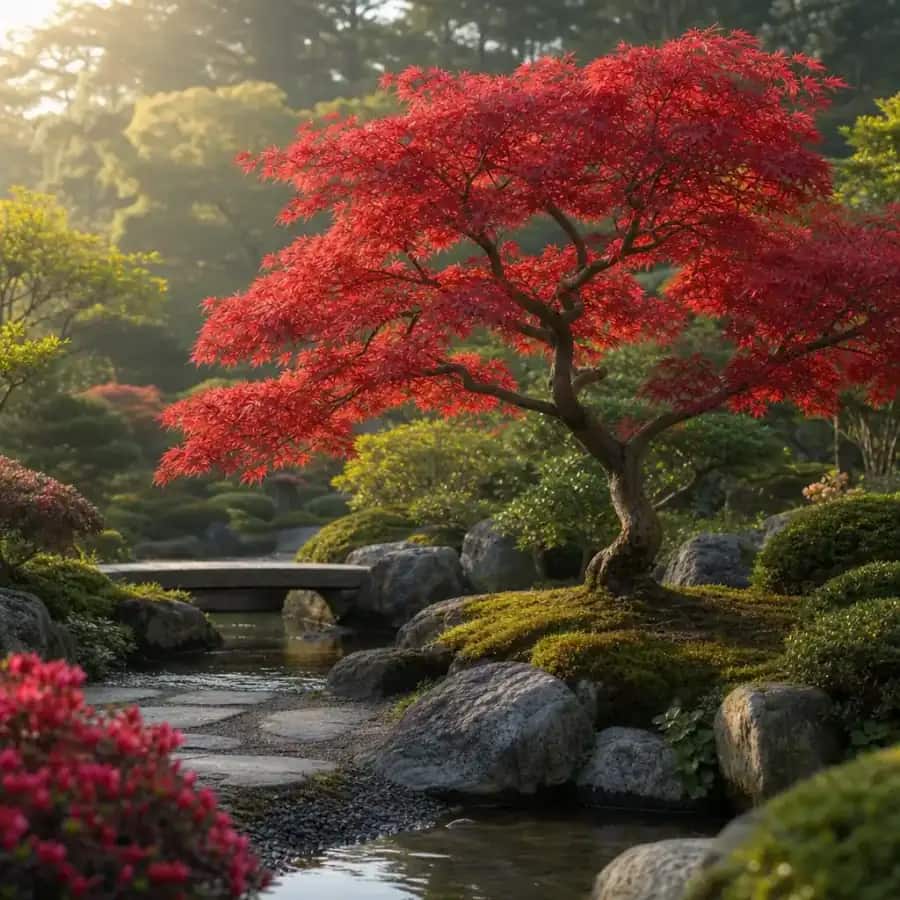 Japanese MaplesChoose laceleaf or upright forms with protection from hot afternoon sun.
 Palms & TropicalsCold-hardy palms like Mediterranean Fan survive zone 8b low temperatures.View all Palms & Tropicals →
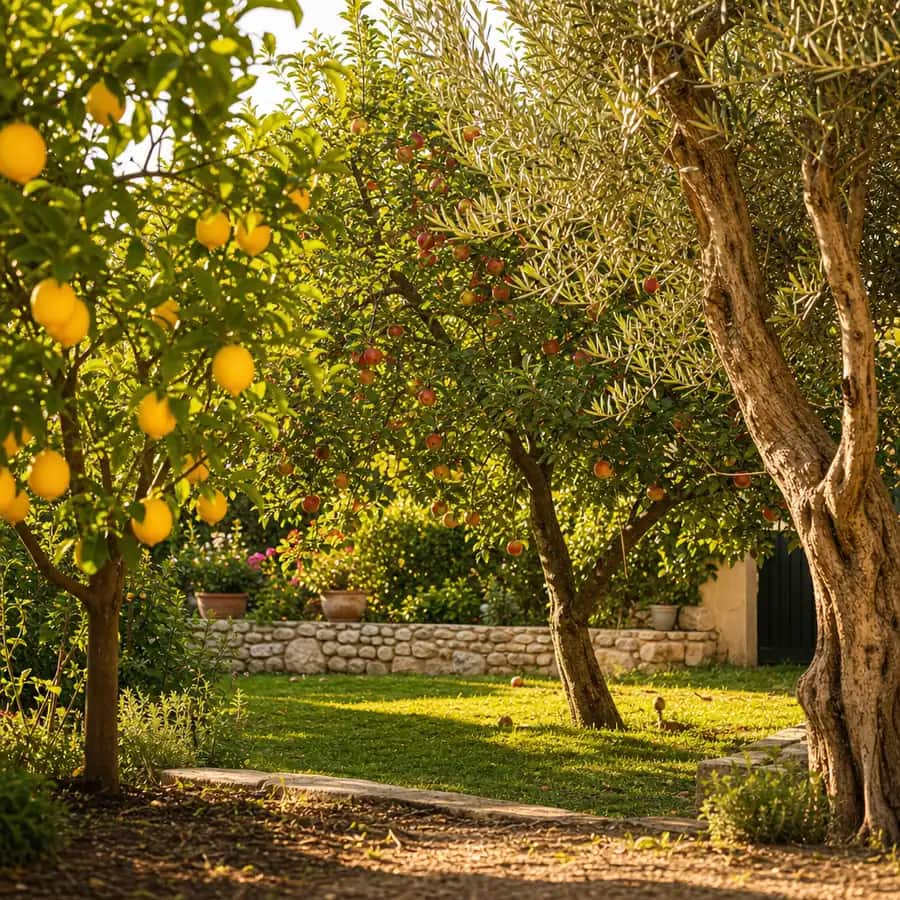 Fruit TreesCitrus, plums, and apples bear well when matched to the zone and pollination needs.View all Fruit Trees →
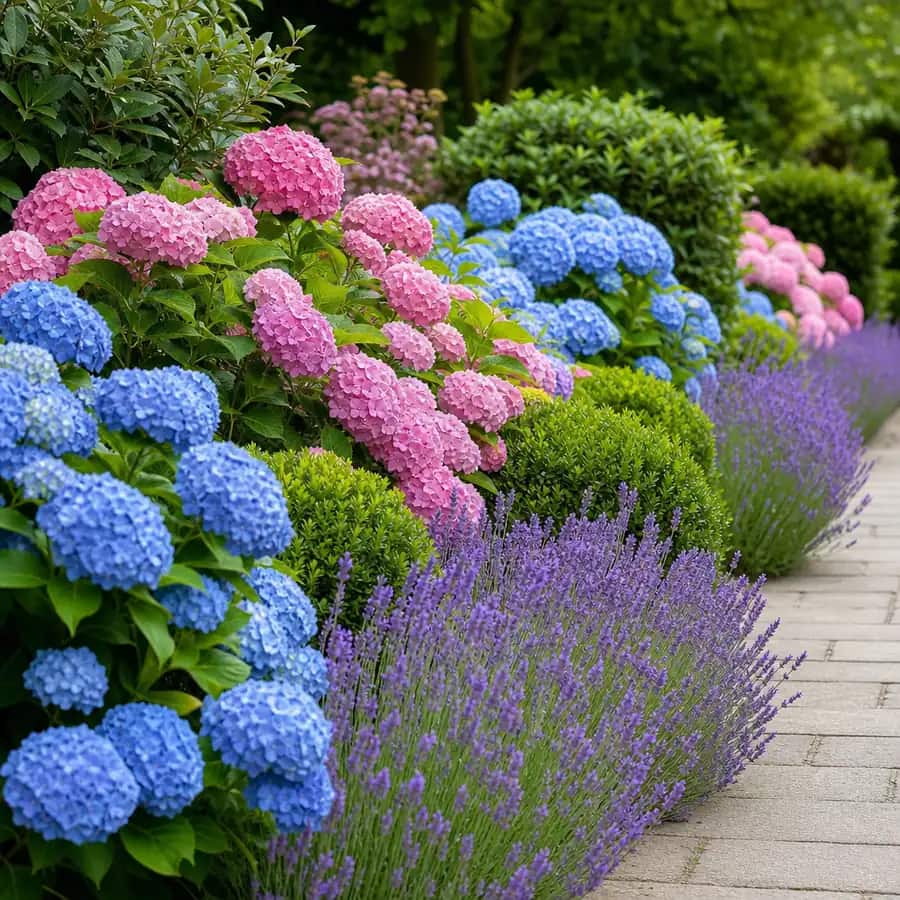 Shrubs & HedgesEvergreen and flowering shrubs fill gaps and add texture.View all Shrubs & Hedges →
Local fit, from data
8b
about 15 to 20 F
Tarrant County
Texas
In USDA hardiness zone 8b, Grand Prairie enjoys mild winters that open up a broad range of tree choices. Arbor Buddy delivers large, nursery-grown landscape trees by freight to your home in ZIP 75054. Homeowners and contractors can shop for shade, flowering, evergreen, and fruit trees, each matched to your local zone.
Grand Prairie sits in USDA hardiness zone 8b, where winter lows typically stay above 15 F. That warmth lets you plant a wider palette than colder parts of the state. Shade trees like the Bur Oak grow quickly here because the growing season stretches from spring well into fall. Flowering ornamentals such as the Mexican Plum bloom early without fear of late frost damage.
Heat and humidity are the main challenges. Japanese maples, for example, need afternoon shade to avoid leaf scorch. Evergreen options like the Taylor Eastern Red Cedar handle the occasional dry spell. Compared to nearby areas in Tarrant County such as Fort Worth and Crowley, Grand Prairie shares the same zone, so the same tree picks work across the region. When you shop trees for zone 8 in Grand Prairie, you get low-risk choices that thrive in your local climate.
Winter lows in Grand Prairie average about 15 to 20 degrees F, placing it in USDA zone 8b. That means frost is possible but seldom extreme. Most trees sold by Arbor Buddy, including the featured Bur Oak and Mexican Plum, handle those temperatures without damage.
Fast-growing shade trees like Bur Oak thrive here because the long growing season in zone 8b fuels rapid canopy growth. Flowering trees such as Mexican Plum also grow at a moderate pace. For quick privacy, consider the Taylor Eastern Red Cedar, which adds steady height each year.
The best shade trees for Grand Prairie include Bur Oak, which is very cold-hardy and delivers deep shade. Other strong options are Mexican White Oak and Shumard Oak, both well-suited to zone 8b. Choose a tree that has room to spread and drop leaves in fall.
Yes, you can grow fruit trees in Grand Prairie. Meyer Lemon is a popular choice for zone 8b, but it needs protection from frost below 20 F. Self-sterile trees like Bing Cherry require a second compatible sweet cherry nearby to set fruit. Honeycrisp Apple also needs a pollination partner. Arbor Buddy stocks fruit trees matched to your zone.
For shade, privacy, flowering, fruit, and accent trees matched to your zone in ZIP 75054 of Grand Prairie, Arbor Buddy ships large, nursery-grown trees with a 1-Year Thrive Guarantee.
Browse the trees suited to your area and order online.
ZIP 54703 in Eau Claire, Wisconsin (WI) sits in zone 4b with winter lows of -25 to -20 F. That extreme cold rules out many flowering trees that need milder winters. For your cart, that means flowering color like the Mexican Plum or a flowering dogwood is a safe bet here but a lost cause there. In Grand Prairie you can enjoy fragrant spring blooms without worry.
ZIP 25329 in Charleston, West Virginia (WV) falls in zone 7a, with lows of 0 to 5 F. That is colder than zone 8b but still allows many evergreens. That gap changes the local shortlist to: in Charleston you need extra-cold-hardy junipers, while in Grand Prairie you have a wider range of screening options such as the Christmas Jewel Holly or Taylor Eastern Red Cedar. Privacy screens here grow faster thanks to the longer season.
ZIP 82515 in Hudson, Wyoming (WY) is zone 5a with lows -20 to -15 F. Palms and tropicals cannot survive that cold. In practice, buyers here lean toward cold-hardy conifers and deciduous trees. In Grand Prairie, zone 8b lets you try cold-hardy palms like the Mediterranean Fan Palm or even grow a Meyer Lemon in a patio pot. For your Grand Prairie cart, the climate difference means you can pick trees that would never survive in Wyoming.
Arbor Buddy ships large, nursery-grown trees by freight to your home in ZIP 75054. We also deliver to other Grand Prairie ZIPs: 75050, 75051, 75052, and 75053. Trees headed to zone 8 arrive between fall and early spring, matched to mild ground temperatures. Each tree is zone-matched before shipping and backed by a 1-Year Thrive Guarantee: if it does not survive its first year, we replace it free.
Before delivery day, check:
Enter your ZIP, shop only what thrives in your zone.
Freight delivery to your address: $149 flat per order, shown at checkout.
Plant it, watch it thrive, covered for one year.
Good to know · Growing guide
Coverage runs a full year from delivery. If something goes wrong, contact the team and they arrange the replacement. No store-credit games, no fine-print maze.