
A real tree guarantee covers arrival condition plus an establishment period, replaces or credits the tree if it fails, and prints its exclusions instead of burying them. Thirty days is the common floor. One year is the strong standard, one that spans a full first season including winter.
Most buyers read the word "guarantee" and assume full coverage no matter what happens. That's not how any nursery, big-box or online, actually writes these terms. If you're still learning how to buy trees online, the guarantee language is the fine print that tells you what protection you're really getting, so read it like a contract, not a badge.
- A tree guarantee is a coverage document with specific windows and required proof, not a blanket return policy.
- Thirty days typically covers early transplant failure; one year covers a full establishment period through winter.
- Photos and an order number decide most arrival damage claim outcomes.
- Wrong zone, no watering evidence, and animal damage are standard warranty exclusions.
- Replacement and refund are different remedies. Know which one your tier actually offers.
The three coverage tiers of a tree guarantee
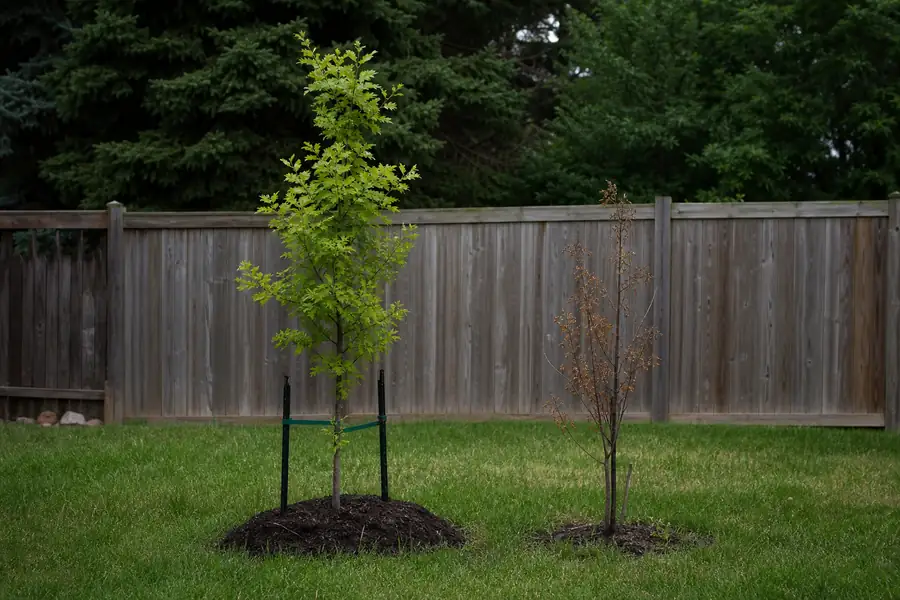
Tree guarantees fall into three tiers, and the tier tells you how much risk the seller is actually absorbing.
| Tier | What it covers | Proof required | Remedy |
|---|---|---|---|
| Arrival-only | Damage reported within 24-48 hours of delivery | Unboxing photos, order number | Replacement or credit for damaged stock |
| 30-day | Early transplant failure or establishment shock | Planting date, care log, decline photos | Replacement, sometimes prorated credit |
| 1-year | Full first-season establishment, including winter dormancy | Proof of planting, watering, zone-appropriate site | Free replacement |
The establishment period is the stretch after planting when a tree is building new roots and is most vulnerable to stress. Most trees need one full growing season, sometimes two, to establish. A guarantee that only covers arrival day tells you almost nothing about how the tree handles that stretch.
What good coverage includes
Good coverage means replacement or store credit, a photo-based claims process, reasonable care requirements, and a window that spans the first harsh season, not just the delivery truck.
Replacement puts a new tree in the ground. A refund just returns your money. Some sellers only offer one or the other, and cheaper plans often stop at a refund for arrival damage. Ask directly which remedy applies to your tier before you buy, and don't treat the two as interchangeable when you compare a plant warranty across sellers.
A claims process built on photos is faster and fairer than one that requires a site visit. Reasonable care requirements just mean you watered on a normal schedule and planted where the tree was rated to grow, which is what proof of care is meant to establish.
Fine print that voids a tree guarantee
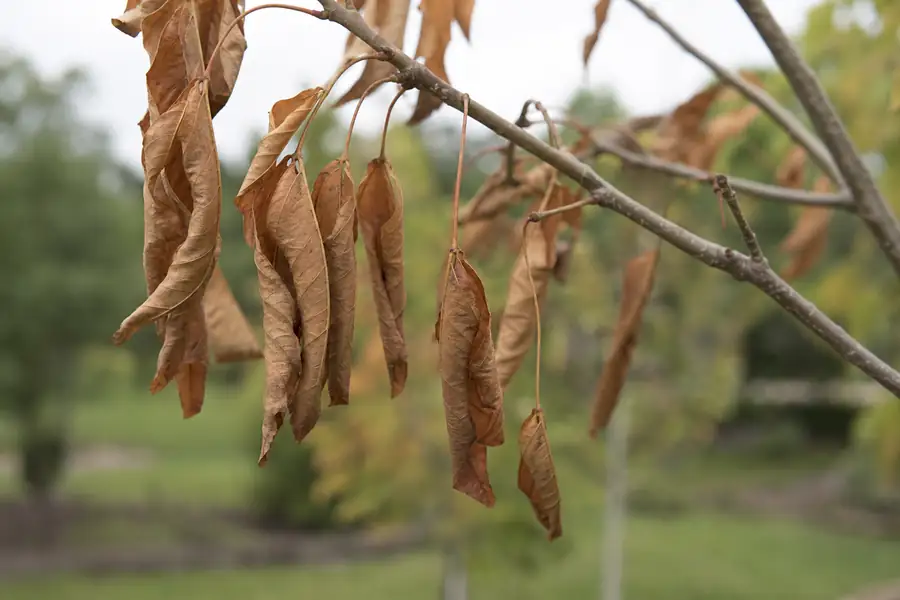
Warranty exclusions are where most claims die, and most of them are fair.
- Planting outside your USDA hardiness zone.
- No evidence of watering during the establishment period.
- Animal, mower, or trimmer damage to the trunk or roots.
- Moving the tree a second time after the original planting.
- Extreme weather carve-outs, such as a hard freeze well below your normal zone range.
Check who pays reshipping on an approved replacement, too. Some sellers cover it, some pass it back to you, and that detail rarely shows up until you're already filing a claim.
Excluding neglect isn't a loophole. It's fair. A guarantee is meant to cover a defective or mismatched tree, not a tree that never got watered after it went in the ground.
The paperwork habit that makes a tree guarantee claim stick
Claims live or die on documentation, so build the habit before the delivery truck even shows up. Keep your order number, photos taken the day the tree arrives, planting-day photos showing depth and site, and a simple watering log with date, amount, and weather.
Here's how one real claim played out. A customer in zone 7 ordered a shade tree and photographed it the afternoon it arrived, showing a cracked leader from freight handling. He filed within 24 hours with the order number and two photos, exactly what an arrival damage claim requires. The nursery approved a free replacement in about a week, no site visit, no argument.
Compare that to a claim filed two months later with no arrival photos and no watering log. The seller couldn't tell arrival damage from summer drought stress, and the claim was denied. Same guarantee, different paperwork, different outcome.
Comparing tree guarantees across sellers fairly
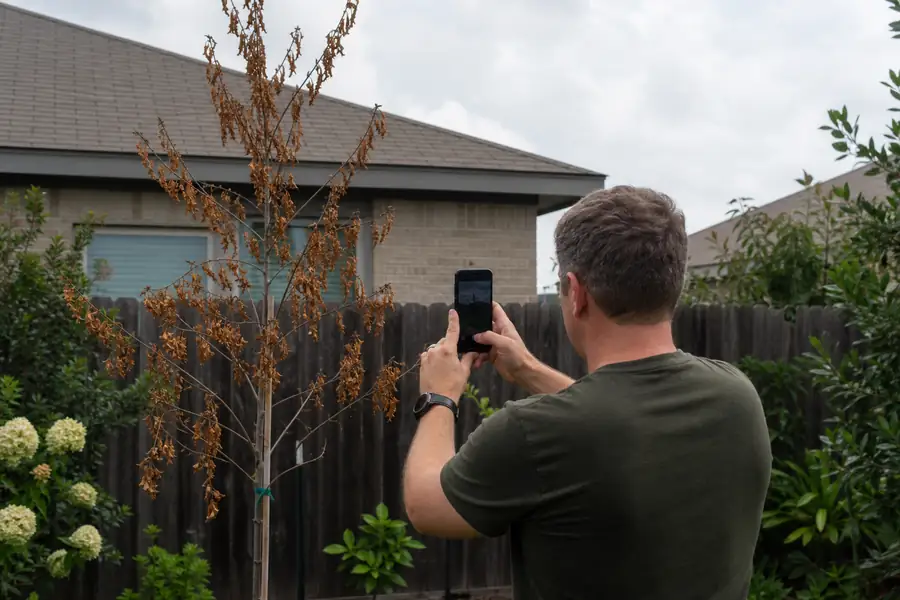
Compare the written terms, not the badge on the page, because "guarantee" means very different things from one seller to the next.
Many big-box garden centers will take a dead plant back within a year with a receipt, but that's a return policy, not a zone match or an establishment guarantee. A tree that was wrong for your climate from the start can still die and still qualify for that kind of refund. Online nurseries range from arrival-only coverage to a full year with an establishment window, and that range is often the real deciding factor in whether buying trees online is worth it.
What no tree guarantee can do
A tree guarantee replaces a tree. It doesn't replace a lost growing season, and no warranty fixes a mismatched zone or a neglected watering schedule after the fact.
Zone matching and consistent watering beat any claims process, because they stop the failure before it starts. Arbor Buddy's ZIP-based zone lookup rules out the most common cause of tree death, planting a species that was never going to survive local winters, before you ever place an order. Every tree still ships under Arbor Buddy's 1-Year Alive & Thrive Guarantee, and you can read the Alive and Thrive guarantee terms to see exactly what's covered and what isn't.
The best tree guarantee is the one you never have to use, and that starts with buying a tree rated for your zone in the first place.
FAQs
What does a typical tree guarantee cover?
Most tree guarantees cover the condition the tree arrives in, and some extend into an establishment window of 30 days to one year. Coverage usually means replacement or credit, not a cash refund, and it almost always requires photo proof filed within a set number of days.
How do I file a tree warranty claim?
Contact the seller with your order number and clear photos showing the damage or decline as soon as you notice it. Fast filing matters: claims made within 24 to 48 hours of a problem are far more likely to be approved than ones filed weeks later without documentation.
Does a tree guarantee cover drought or watering neglect?
Usually not, unless you can show proof of a normal watering schedule through a simple log or notes. Nurseries write this exclusion because a tree that was watered correctly and still failed points to a real defect, while one left dry does not.
Is a 1-year tree guarantee standard?
No, it's the strong end of the market. Many online sellers only cover arrival damage or a 30-day window, so a full year that spans a first winter is generous, not typical.
What's the difference between a replacement and a refund under a plant warranty?
A replacement sends you a new tree to plant, while a refund just returns your money and leaves the buying decision to you. The two are not the same remedy, and some guarantee tiers only offer one of them, so it's worth confirming which applies before you buy.