

Quick answer: Unbox your tree the same day it arrives, water the root ball until it drains clean, and stand the tree upright in a shaded spot out of the wind. Photograph the box, trunk, canopy, and soil from several angles before you touch anything else. Plant within a week if it's potted, or within 48 hours if it's bare root.
What to do when tree arrives matters more than almost anything else in a new tree's first year. It just survived a truck ride, a curbside drop, and probably a few days without full light. The next 48 hours decide whether it shrugs that off or struggles with transplant shock later on.
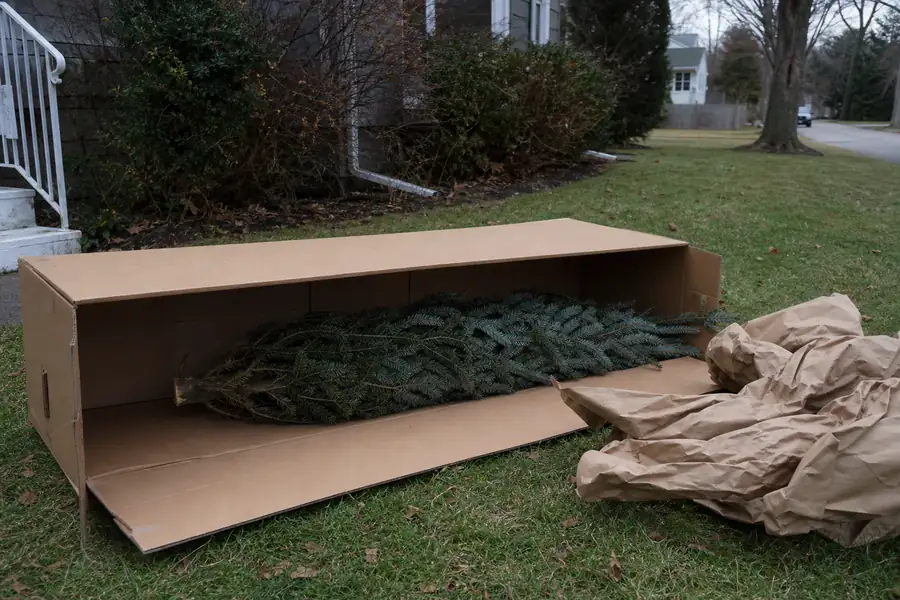
What to Do in Hour One: Unbox and Free the Canopy
Unboxing a tree correctly in that first hour protects both the canopy and your warranty. Cut the straps and mesh sleeve first, then free the branches before doing anything else. Sleeves and packing tape hold branches pinned against the trunk for days, and leaving them on past an hour starts to crease bark and snap small stems.
Use scissors or a utility knife instead of tugging with your hands, so you don't tear bark pulling at tape. Remove any padding wrapped around the trunk or crossing branches; that material traps moisture against the bark and invites rot if it stays.
Lift the tree by the pot or the root ball, never by the trunk. A trunk makes a poor handle: it can loosen roots inside the soil or crack at the base, and either one undoes the root establishment the tree already has going. Most straps and sleeves exist because of how nurseries package trees for the trip to keep branches from snapping in transit.
Hour One: Document Everything for Your Warranty Claim
Photograph the box, the trunk, the canopy, and the soil or root ball from several angles before you unbox further, then again once it's free. Timestamped photos are what claims run on: no photos, no proof of condition on arrival, no fast resolution.
Get wide shots of the whole tree and close-ups of any bent limbs, cracked bark, or a root ball that looks dry or crumbling at the edges. Note the date and keep the shipping label; most carriers and nurseries need damage reported within 24 to 48 hours of delivery to process a claim.
Every Arbor Buddy tree ships covered by a one-year replacement guarantee, but that guarantee depends on catching real shipping damage early, not on waiting weeks to report something unrelated. If something looks broken or bone-dry on arrival, report it the same day.
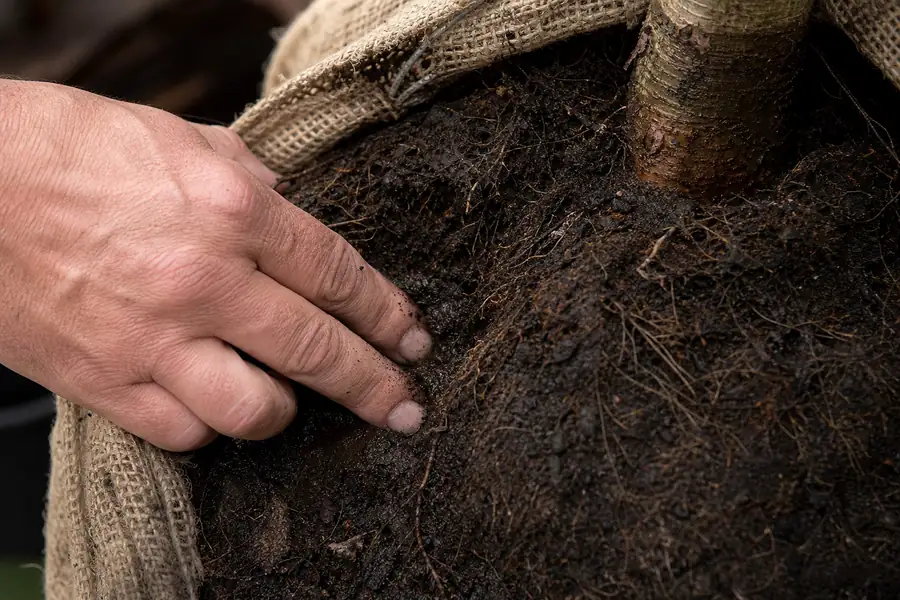
Day One: Water the Root Ball Properly
Water on arrival almost always, but check the root ball moisture first instead of guessing. Push a finger two inches into the soil at the edge of the ball; if it comes out dry, the tree needs water right away.
Water slowly until it runs clear from the drain holes, or until the whole root ball feels evenly moist when you press into it from a few spots. A #7 to #15 pot typically takes 2 to 4 gallons for that first deep watering, though a bone-dry ball can take more.
Don't water on a fixed schedule regardless of what the soil tells you. Overwatering and panic replanting kill more new arrivals than the shipping itself does; a soggy root ball starves roots of oxygen just as fast as a dry one starves them of moisture.
Days One to Seven: Hold the Tree Right Until Planting
Keep the tree upright in partial shade, out of direct wind, until you're ready to plant. Full sun and open wind on a stressed, freshly shipped tree pull more moisture out of the leaves than the roots can replace yet.
Water daily in hot weather and every 2 to 3 days in cool weather, checking the root ball each time instead of watering on autopilot. Skip fertilizer completely; a tree with stressed roots can't use the extra nutrients, and fertilizer salts can burn roots that are already struggling.
Leave pruning alone too, aside from cleanly snapping off any branch that's already cracked or hanging by a thread. Cutting back the top to balance a tree for root loss is an outdated habit; it just removes the leaves the tree needs to rebuild its roots.
Don't leave the tree boxed in a garage for a week either. A tree needs light and airflow the moment it's off the truck, not a dark corner until the weekend.
Bare Root Trees Need a Faster Timeline
Bare root stock has no soil around the roots, so it dries out fast. Keep the roots damp and covered the moment you unbox, and plant within about 48 hours.
Soak the roots in a bucket of water for 3 to 6 hours right before planting to rehydrate them fully. If you can't plant within two days, heel it in: dig a shallow trench, lay the roots in it, and cover them with moist soil or mulch until you're ready. Heeling in buys a tree time without letting the roots dry out or freeze.
Never let bare roots sit exposed to air or sun, even for twenty minutes. Roots that dry out on the surface don't recover the way a leaf does; that damage is permanent.
Normal Transplant Stress vs. a Real Problem
Some yellowing or leaf drop after shipping is normal and usually clears up in 2 to 4 weeks as the tree settles in. Trucks are dark, cramped, and dry compared to a nursery row, and most trees drop 10 to 20 percent of their leaves in response before pushing new growth.
A real problem looks different: a snapped leader (the tree's main upward-growing stem), a root ball that smells sour or rotten, or a pot so dry and rootbound the water won't soak in at all. Any of those justify a claim, especially when your arrival photos back it up.
When in doubt, wait it out for a couple of weeks before assuming the worst. A tree dropping some leaves after a cross-country trip is stressed, not dying, and panic replanting to check the roots usually does more damage than the shipping did.
FAQs
How long can a tree stay in the pot before I plant it?
A potted tree can hold for a few weeks if you keep watering it correctly, but it settles in faster and grows more root the sooner it's in the ground. Aim to plant within one to two weeks of delivery for the best start.
Should I water the tree immediately after it arrives?
Almost always, yes. Check the root ball with a finger test first, but most trees arrive dry from transit and need a deep watering within the first hour or two of unboxing.
My tree's leaves are dropping. Is it dying?
Usually not. Leaf drop after shipping is common transplant shock from a few days without full light and steady water, and most trees recover and push new leaves within 2 to 4 weeks.
Should I fertilize a tree the day it arrives?
No. Wait until the tree is established in the ground and showing new growth, usually a full growing season out. Fertilizer on a stressed root system can burn roots that are already working hard just to recover.
What does heeling in mean?
Heeling in means temporarily covering a bare root tree's roots with moist soil, mulch, or compost so they don't dry out before you can plant. It's a short-term holding step, not a substitute for getting the tree in the ground.