
"Landscape-grade" is a nursery grading term, not a marketing adjective. It means graded nursery stock, typically 1.5 to 3 inch trunk caliper and 8 to 14 feet tall, with a single straight leader, even branching, and a root ball sized to match the trunk. It does not mean you're buying a decades-old mature tree. Anyone comparing mature trees for sale online needs that distinction before comparing prices, because two listings that look similar on a screen can represent very different trees.
Key takeaways:
- Landscape-grade means graded to a nursery stock standard, not aged for decades.
- A realistic mail-order ceiling is around 3 inch caliper and 12 to 14 feet tall.
- Ask for caliper, height, root ball diameter, years in production, and zone rating before buying.
- A 2 inch caliper tree with its ball can weigh 200 to 400 pounds at delivery.
- Bigger transplants pause and re-establish slower, roughly a year per caliper inch.
What Landscape-Grade Actually Means
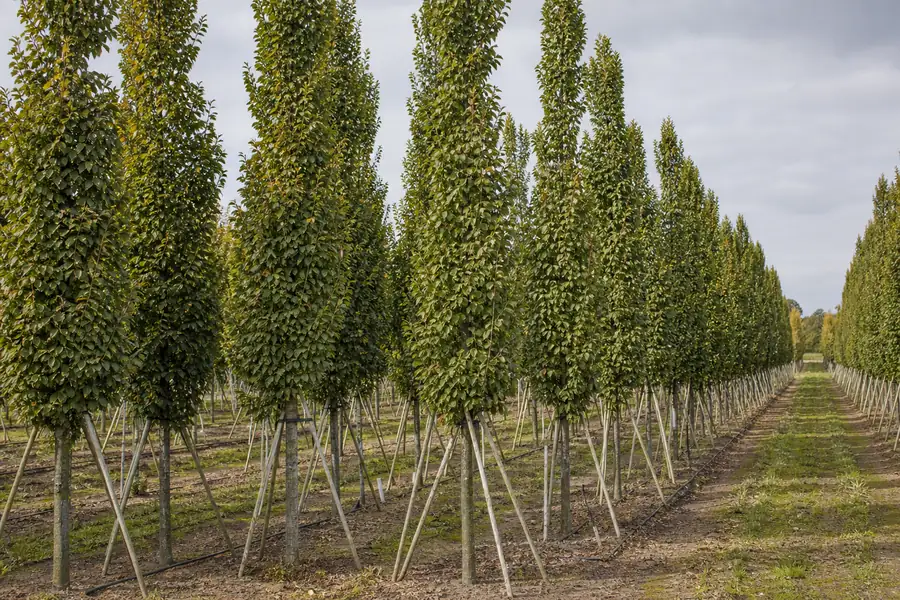
Landscape-grade means the tree was graded to a nursery stock standard, most commonly the ANSI Z60.1 standard published for the industry, which sets minimum specs for caliper, height, branching, and root ball size by species. A tree that meets grade has a single straight leader (the main upright stem), evenly spaced branches with no major gaps or lean, and a root ball sized to its trunk, generally about 10 to 12 inches of ball diameter for every inch of caliper.
Trunk caliper is the trunk's diameter measured six inches above the soil line on young trees, and it's the industry's main size reference, not height. A specimen tree is one graded a step above standard stock for exceptional form, uniform branching, or a fuller canopy, but grading tolerates some natural variation. Even specimen-grade trees within the same row won't be identical twins.
Mature Trees for Sale vs. Marketing Hype
A shade tree that's actually mature is often decades old, has a trunk many inches thick, and cannot be dug, boxed, or shipped by mail. When you see mature trees for sale online, what's actually shippable is landscape-grade stock, not a tree that's spent 30 years in the ground. The honest ceiling for mail order runs around 3 inch caliper and 12 to 14 feet tall, because anything larger gets too heavy for standard freight and liftgate delivery.
Past that size, you need a local tree spade crew, a specialized machine that digs and moves large root balls intact, capable of relocating 6 to 8 inch caliper trees. That's a local landscaping job, not a shipped order. If a listing promises a mature, decades-old tree delivered to your door, treat it as a red flag.
Specs to Demand Before You Pay for a Large Tree
A real landscape-grade listing gives you five numbers, not adjectives. Ask for the trunk caliper in inches, the overall height, the root ball diameter or container class, how many years the tree spent in production, and its USDA hardiness zone rating checked against your growing zone through a ZIP-based zone lookup.
| Spec | What to ask for | Typical mail-order range |
|---|---|---|
| Trunk caliper | Inches, measured 6 in above soil line | 1.5 to 3 in |
| Height | Feet, trunk to top of canopy | 8 to 14 ft |
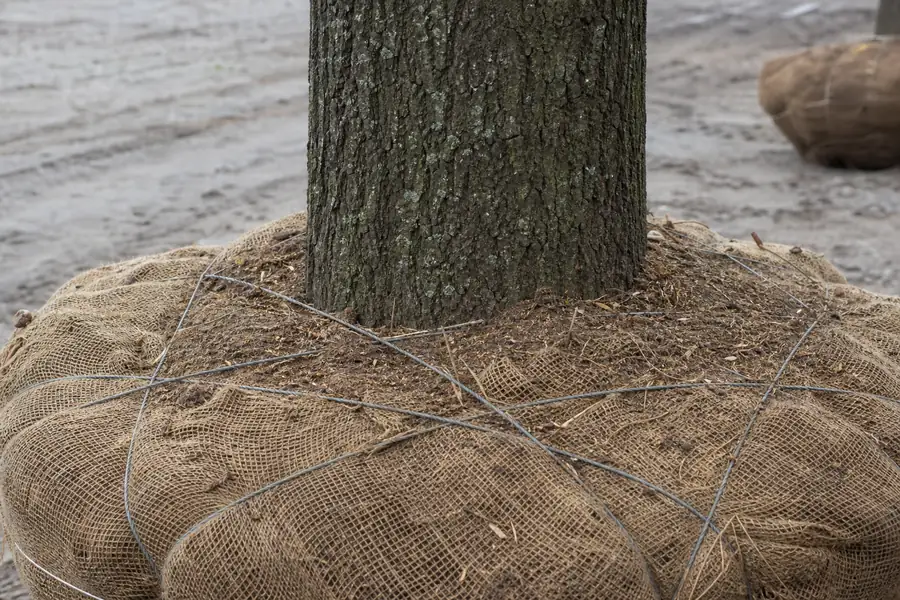
| Root ball | Diameter or container gallon size | ~10 to 12 in per caliper inch |
| Years in production | Time grown before sale | 4 to 8 years for 2 in caliper |
| Zone rating | USDA zone match for your ZIP code | Varies by species |
A 2 inch caliper shade tree, the size most homeowners land on, typically spends four to eight years in the field or in containers before it's dug and sold. That growing time is exactly what you're paying for.
Weight and Delivery Reality for Big Trees
A 2 inch caliper balled-and-burlapped tree, root ball included, commonly weighs 200 to 400 pounds and arrives curbside by liftgate truck, not carried into your backyard. Plan on two or three people, plus a ball cart or hand truck, to move it from the curb to the planting hole. Slopes, steps, fences, and narrow gates all multiply the difficulty, so measure your access path before you order.
| Caliper size | Approx. ball weight | Handling typically needed |
|---|---|---|
| 1.5 in | 100 to 150 lb | One person, hand cart |
| 2 in | 200 to 400 lb | Two to three people, ball cart |
| 3 in | 400 lb and up | Machine assist or dolly, often more hands |
The Establishment Trade-off With Large Transplants
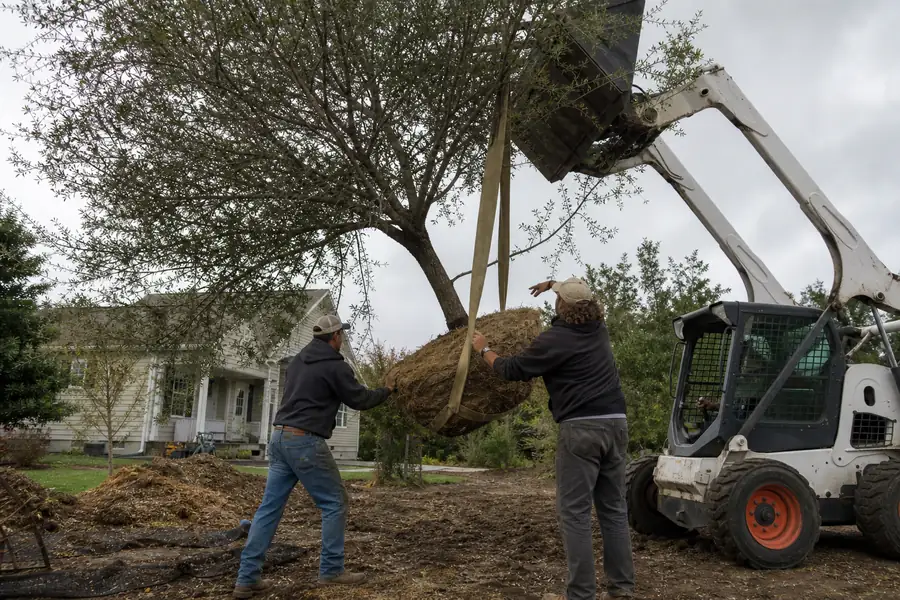
Bigger trees take longer to re-establish because the root system lost in digging has to regrow before the canopy can push new growth, and the rough rule is about one year of recovery per inch of caliper. A 3 inch caliper tree needs roughly 30 gallons of water a week and close attention for about three years while its roots catch up to its top growth. A smaller, 1.5 inch caliper tree often skips most of that lag and can match or pass the bigger tree's growth within a few seasons.
That's why every tree from Arbor Buddy ships under a 1-Year Alive & Thrive Guarantee, so the establishment window is covered even if it takes a full season for roots to settle in.
When Paying for Size Is the Right Call
Paying extra for a larger caliper tree makes sense when you need instant privacy, a single front-yard focal point, or you're working against a deadline like a sale or an event. In those cases, buy the largest landscape-grade size you can realistically move, plant, and water on schedule, since a tree sitting unplanted loses ground fast. If you're not sure which species and size fit your yard, Arbor Buddy's Plant Finder builds a short list matched to your space and climate, and you can browse the full tree shop for landscape-grade sizes fit for exactly this kind of project. For anything beyond a 3 inch caliper trunk, skip mail order and hire a local landscaper with tree spade equipment instead.
FAQs
What is a landscape-grade tree?
A landscape-grade tree is graded nursery stock, typically 1.5 to 3 inch trunk caliper, with a straight single leader, even branching, and a root ball sized to the trunk. It's uniform, healthy stock ready to plant, not a decades-old specimen.
How big do mail-order trees actually get?
Most mail-order trees top out around 12 to 14 feet tall and 3 inch trunk caliper. Anything larger becomes too heavy for standard freight and liftgate delivery and needs local tree spade equipment instead.
How heavy is a 2 inch caliper tree with its root ball?
A 2 inch caliper balled-and-burlapped tree commonly weighs 200 to 400 pounds once the root ball is included. Plan for two or three people and a ball cart to move it from curbside delivery to the planting hole.
Do bigger transplanted trees grow slower at first?
Yes. Large transplants typically need about one year to re-establish their root system for every inch of trunk caliper, so a 3 inch tree can take roughly three years before it resumes normal growth.
Are mature trees for sale actually worth the extra cost?
For instant privacy screening or a single focal point where you can't wait years for a small tree to fill in, a larger landscape-grade tree is often worth it. For general yard filling, a smaller caliper tree usually catches up within a few seasons at a lower cost and lower delivery risk.