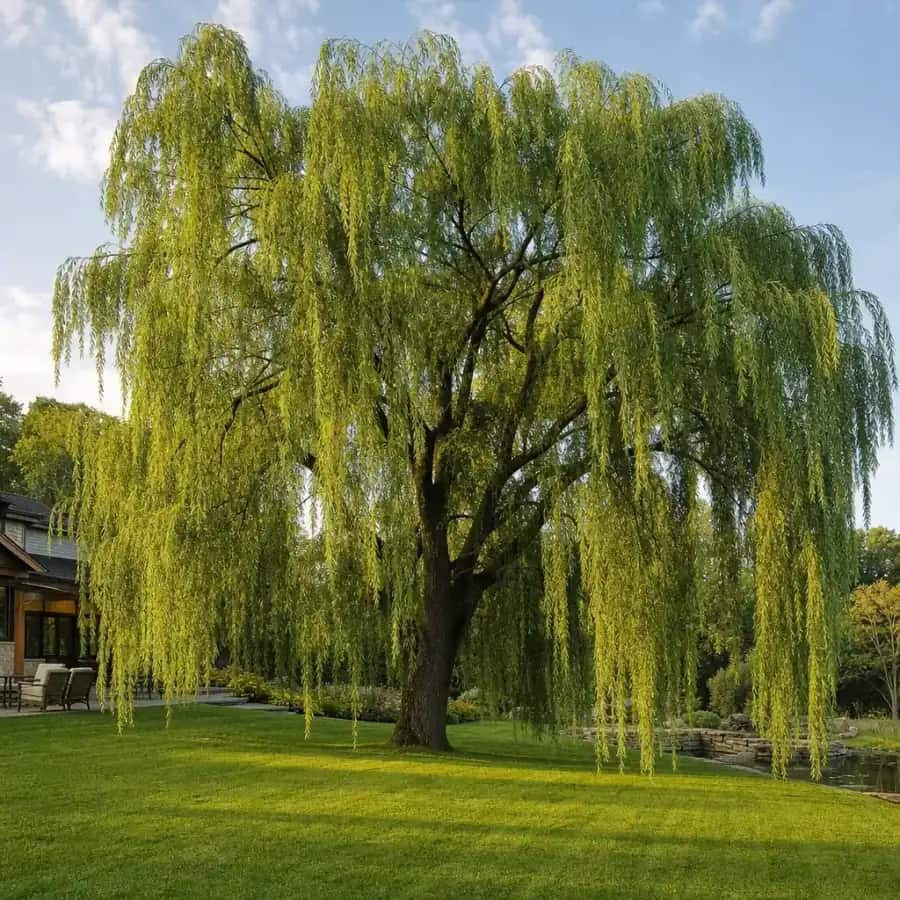
 Zones 4 to 9
Shade Trees
Weeping Willow
$40
Shop large, nursery-grown shade, privacy, flowering and fruit trees, delivered by freight in Seattle. Every tree is matched to your hardiness zone and backed by our 1-Year Thrive Guarantee.
Enter your ZIP and we'll match trees to your exact growing zone.
Typical winter lows in Seattle run about 20 to 25 F.
Matched to Seattle's zone
Zones 4 to 9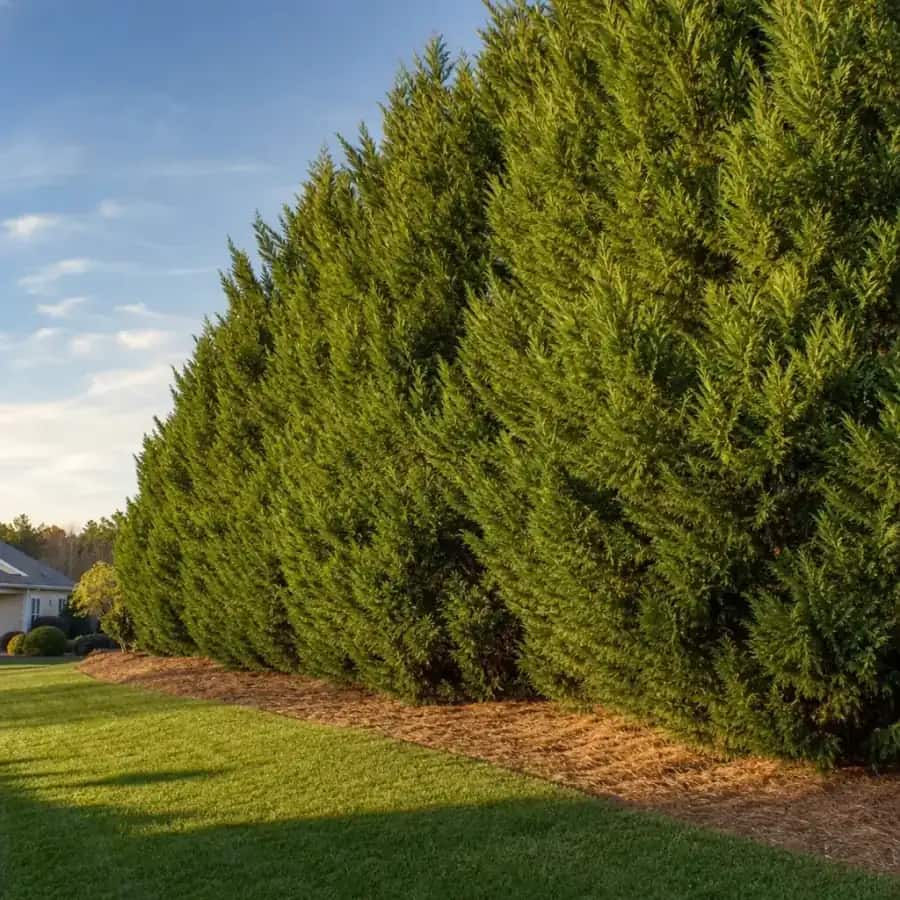 Zones 6 to 10
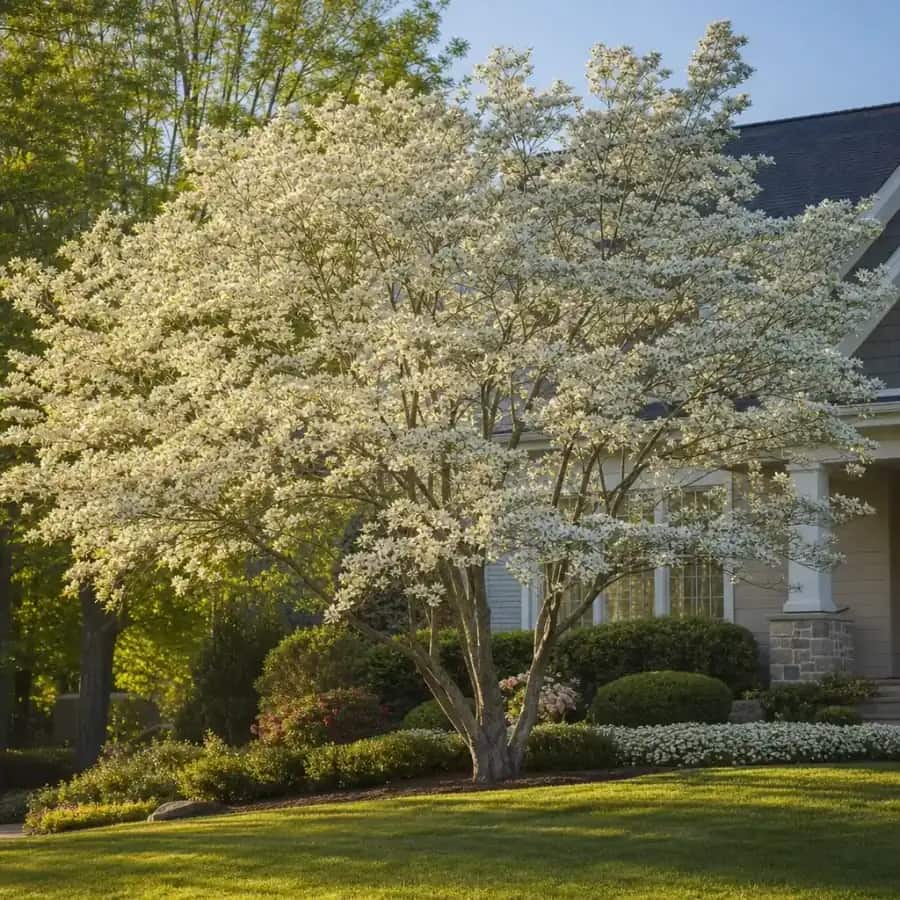 Zones 5 to 9
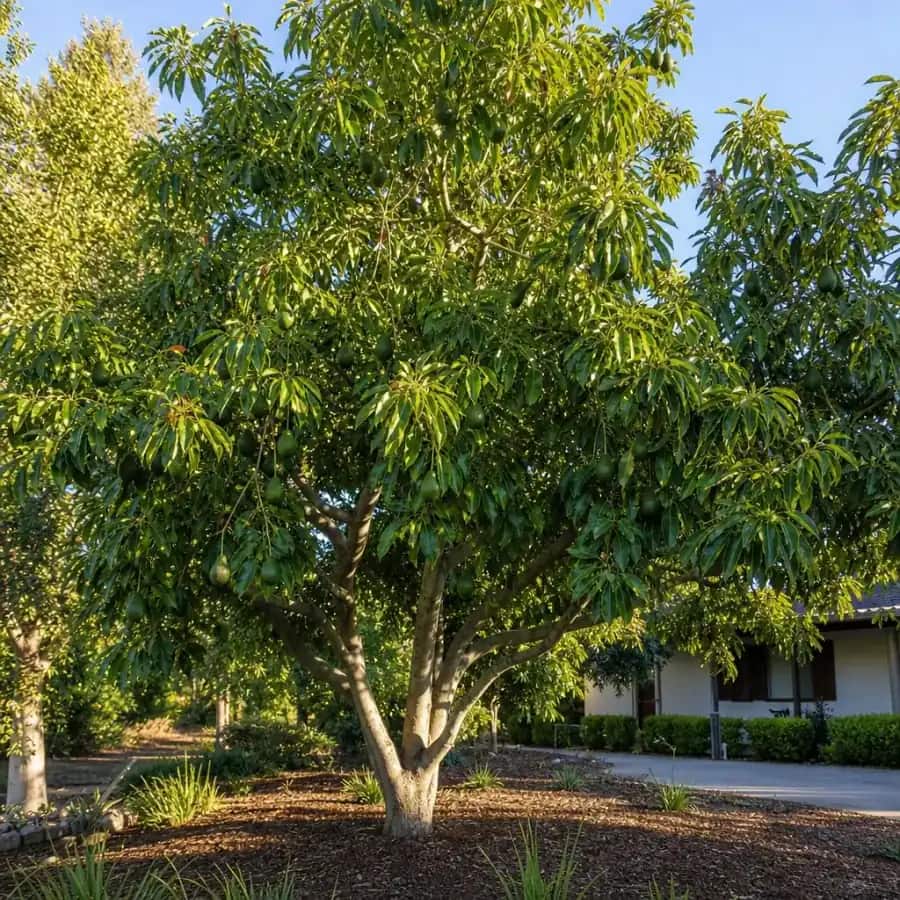 Zones 8 to 11
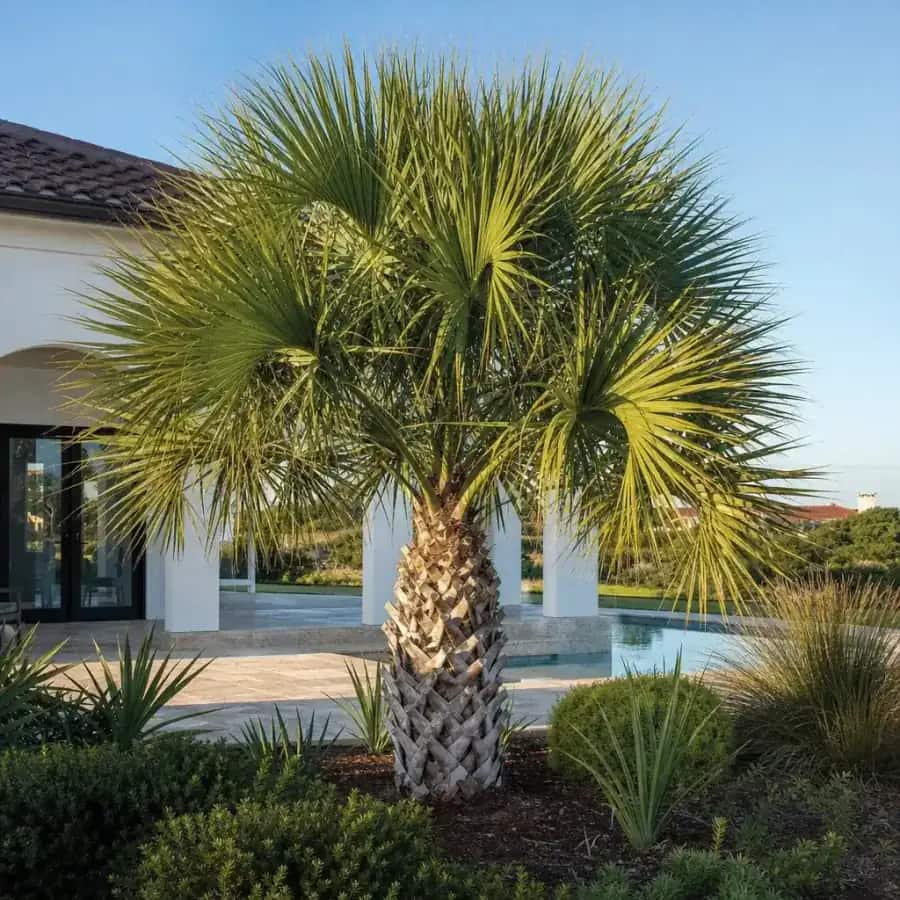 Zones 7 to 11
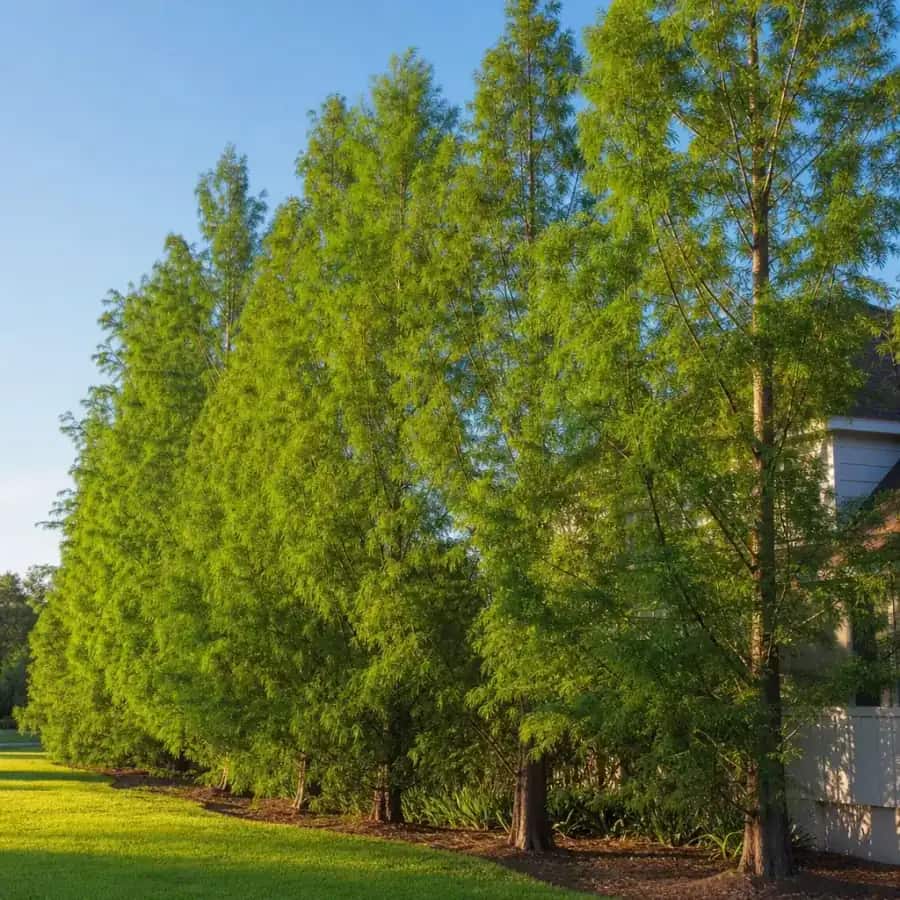 Zones 5 to 9
Shop by category
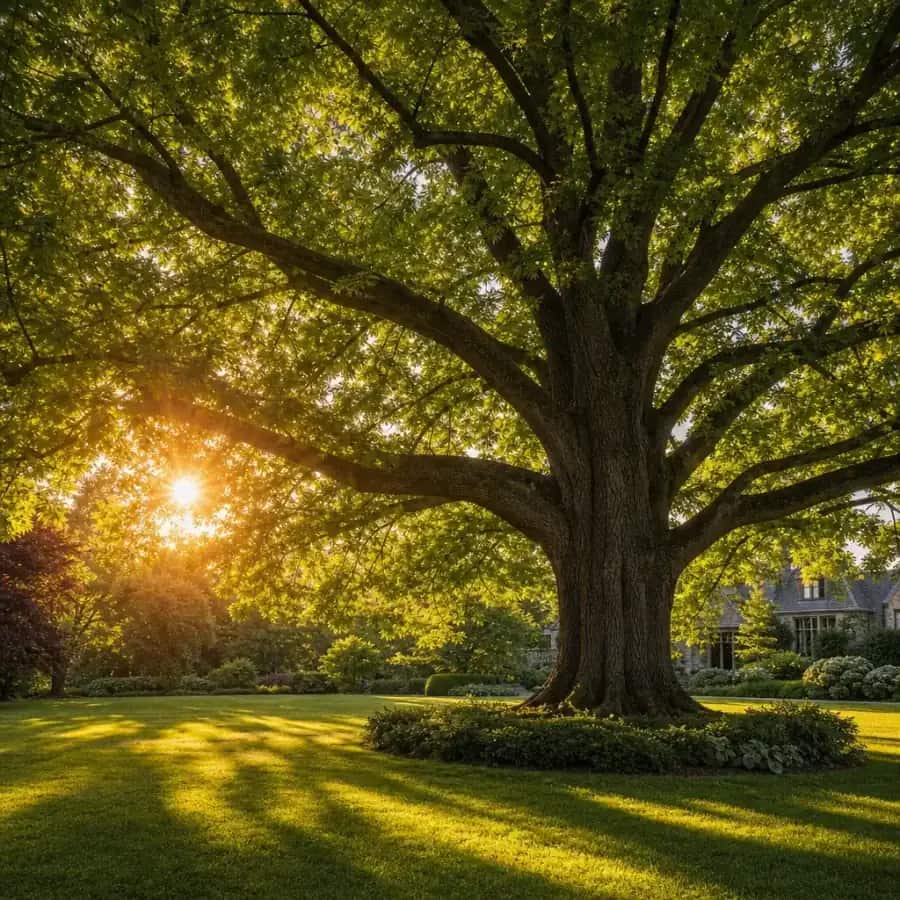 Shade TreesFast-growing canopy to cool your Seattle yard during warm zone 9a summers.View all Shade Trees →
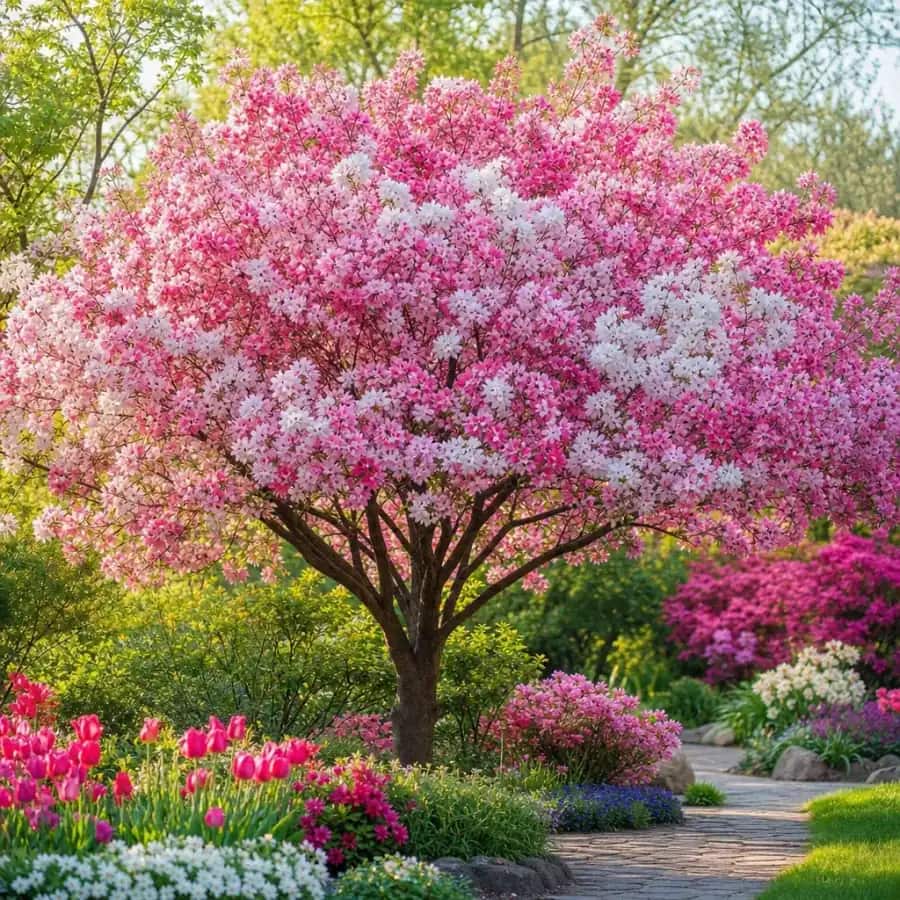 Flowering & OrnamentalSeasonal color that holds up through the mild wet winters and dry summers here.View all Flowering & Ornamental →
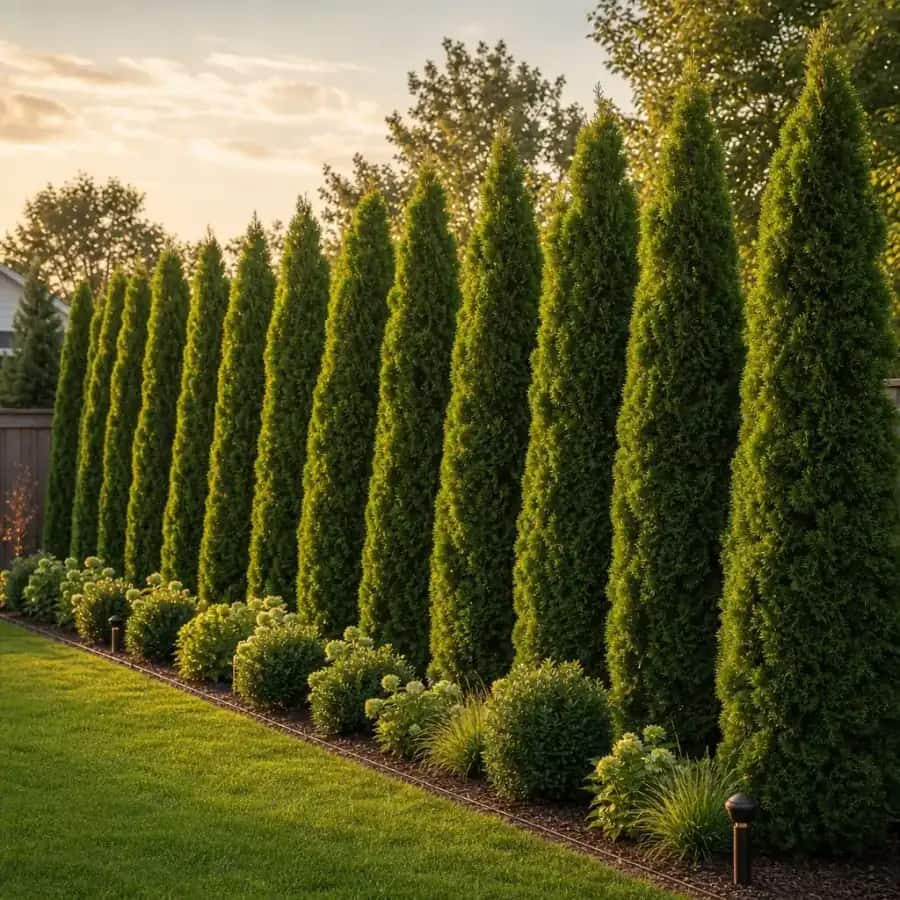 Evergreen & PrivacyYear-round screening that stays dense even when winter lows dip into the 20s.View all Evergreen & Privacy →
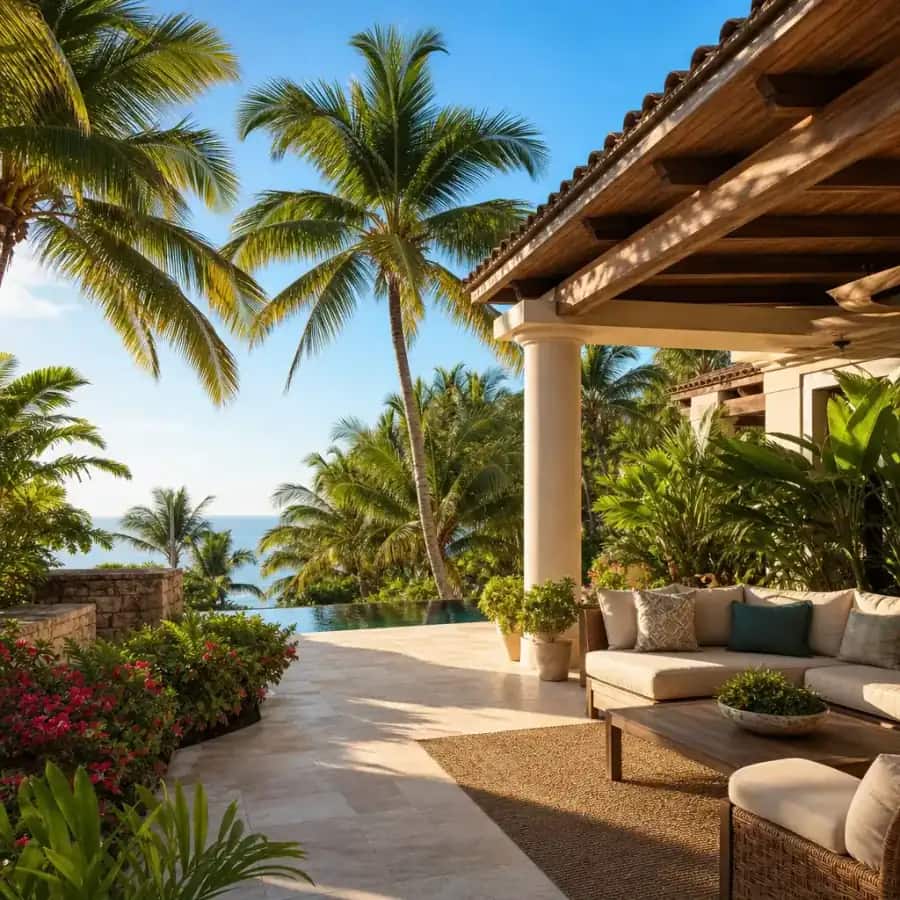 Palms & TropicalsCold-hardy palms and tropical accents that survive zone 9a winters without damage.View all Palms & Tropicals →
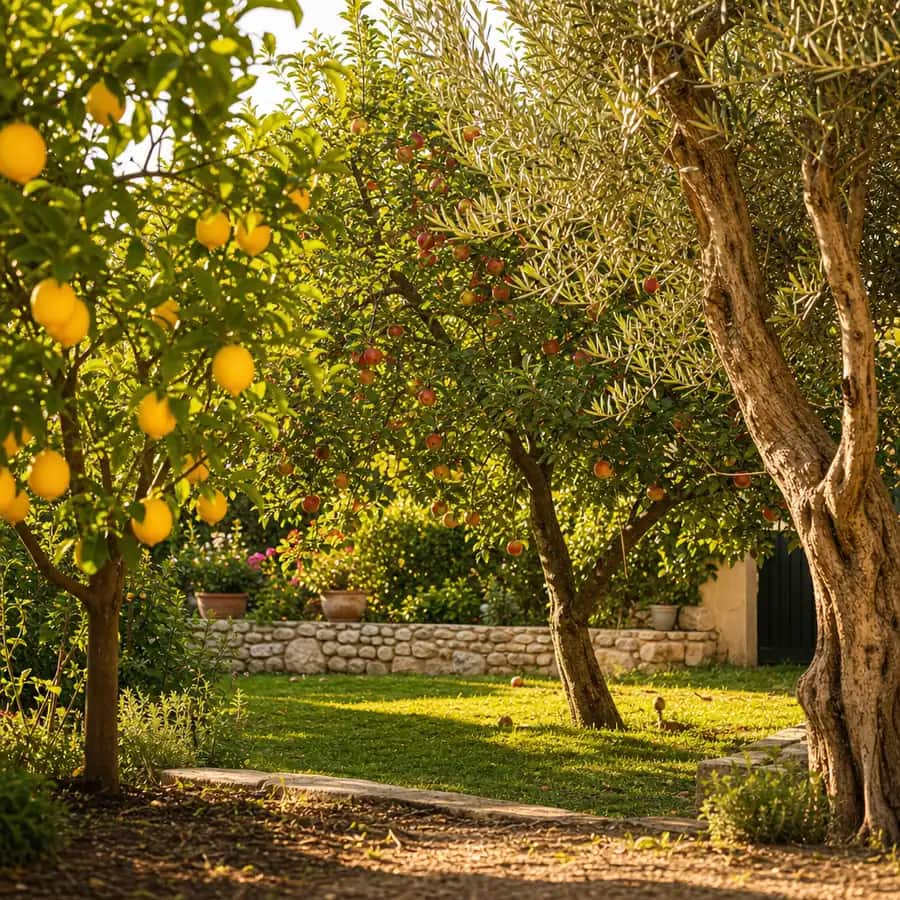 Fruit TreesReliable fruit varieties matched to the chill hours and warmth of Seattle's growing season.View all Fruit Trees →
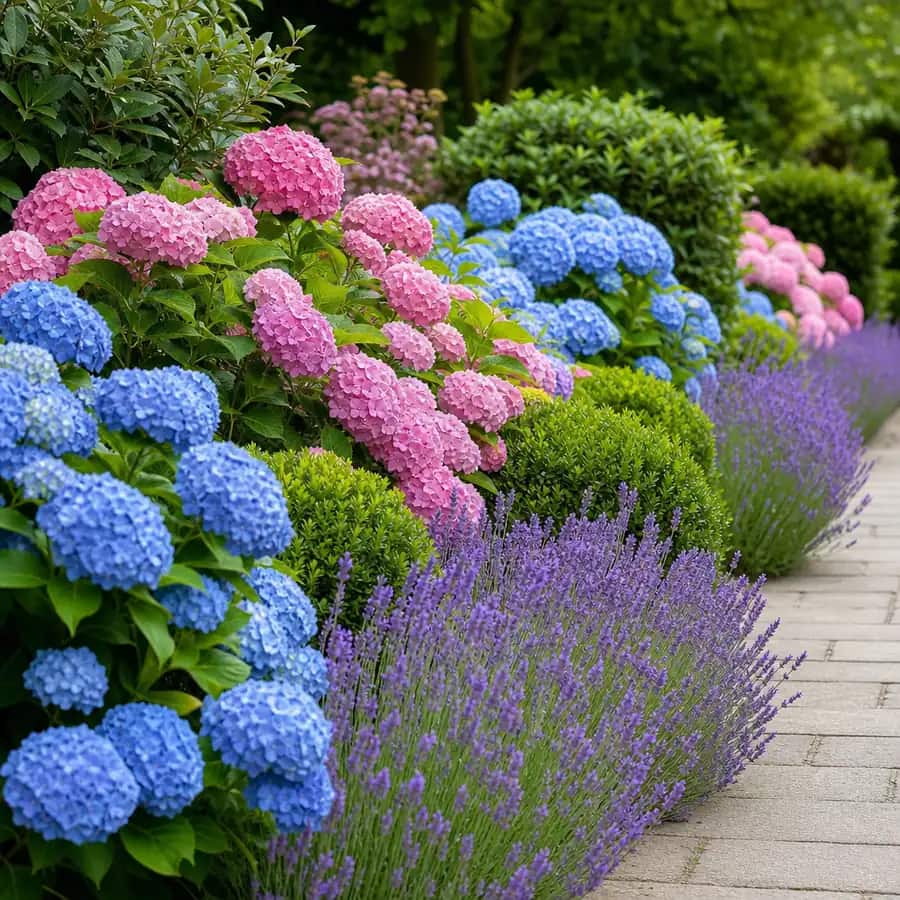 Shrubs & HedgesFoundation plants and hedging that fill out fast in the moderate zone 9a climate.View all Shrubs & Hedges →
Local fit, from data
9a
about 20 to 25 F
King County
Washington
Arbor Buddy delivers large, nursery-grown landscape trees by freight to homeowners in Seattle, WA 98112. You choose from shade, flowering, privacy, fruit, and palm categories, and every tree is zone-matched to your local 9a climate before it ships. The result is a tree ready to thrive in your yard from day one.
Contractors building out Seattle properties can also order the same nursery stock at landscape size with the same 1-Year Thrive Guarantee.
Seattle's 9a zone means typical winter lows run about 20 to 25 degrees F. That sets a clear boundary: most citrus and any truly frost-tender species are out, but a broad range of shade, flowering, evergreen, and cold-hardy fruit trees thrive here. The moderate lows also allow palms like the Chinese Windmill Palm to pull through without protection in most years.
The local climate is wet in winter and reliably dry in summer. Shade trees with deep root systems handle the summer dry spell well. Flowering ornamentals like crape myrtles take the heat and bloom for months. For privacy, columnar evergreens such as the Hetz Columnaris Chinese Juniper deliver a dense screen that stays green all year. When you shop for trees for zone 9 in Seattle, you want varieties that tolerate both cool-season rain and warm-season drought.
Winter lows in Seattle, WA 98112 typically run about 20 to 25 degrees F. That puts you in zone 9a, which is mild enough for cold-hardy citrus with protection and safe for palms like the Chinese Windmill Palm.
The Texas Ash is a strong choice for shade in Seattle. It handles the summer dry period and delivers dependable fall color. Other shade oaks from the local selection also perform well in the zone 9a climate.
The Hetz Columnaris Chinese Juniper is a top pick for tight privacy screens. Its columnar form takes up little ground width while creating a dense evergreen barrier that stays green all year.
Yes, but choose cold-hardy varieties. The Chicago Hardy Fig is a proven performer in zone 9a. Most true citrus struggles below 20 F, so stick with figs or other fruit that tolerates the occasional freeze.
For shade, privacy, flowering, fruit, and accent trees matched to your zone in Seattle, Arbor Buddy ships large, nursery-grown trees with a 1-Year Thrive Guarantee.
Browse the trees suited to your area and order online.
Zone 9a gives Seattle a longer growing season than many other regions, but the winter lows still shape what grows well here. Comparing your ZIP to other ZIPs shows why.
ZIP 37916 in Knoxville, Tennessee (TN) sits in zone 7b with typical winter lows of 5 to 10 F. That colder envelope means citrus trees have a much harder time there. In practice, buyers here lean toward cold-hardy fruit like the Chicago Hardy Fig and skip the more tender options. Seattle's 98112 stays above 20 F most nights, which opens the door to palms and a wider fruit palette.
ZIP 84513 in Castle Dale, Utah (UT) is zone 6a with lows of -10 to -5 F. That gap changes the local shortlist to super-cold-hardy evergreens and deciduous trees that can take deep freezes. Seattle buyers do not need that extreme cold tolerance, so you can choose from a broader set of flowering and semi-evergreen varieties that would not survive in Castle Dale.
ZIP 16321 in East Hickory, Pennsylvania (PA) is also zone 6a with lows of -10 to -5 F. There, privacy screens lean heavily on hardy conifers and deciduous shrubs. For your cart, that means Seattle's 98112 can use columnar junipers, broadleaf evergreens, and even the Chinese Windmill Palm for screening and accent, options that would not make it through a Pennsylvania winter.
What that means for your Seattle yard: your zone 9a climate gives you flexibility to mix shade, flowering, fruit, and tropical accent trees that would struggle in colder ZIPs.
Your tree ships by freight to Seattle, WA 98112 and to other ZIPs in the city including 98108, 98109, 98111, 98113, 98114, and 98115. It arrives nursery-grown at a usable landscape size, already zone-matched to your 9a climate. Zone 9 orders travel in the fall-to-early-spring stretch, not peak summer, so your tree ships during the mildest window for handling and transplanting.
The 1-Year Thrive Guarantee covers free replacement if the tree does not survive its first year. Before delivery day, check:
Enter your ZIP, shop only what thrives in your zone.
Freight delivery to your address: $149 flat per order, shown at checkout.
Plant it, watch it thrive, covered for one year.
Good to know · Growing guide
Coverage runs a full year from delivery. If something goes wrong, contact the team and they arrange the replacement. No store-credit games, no fine-print maze.