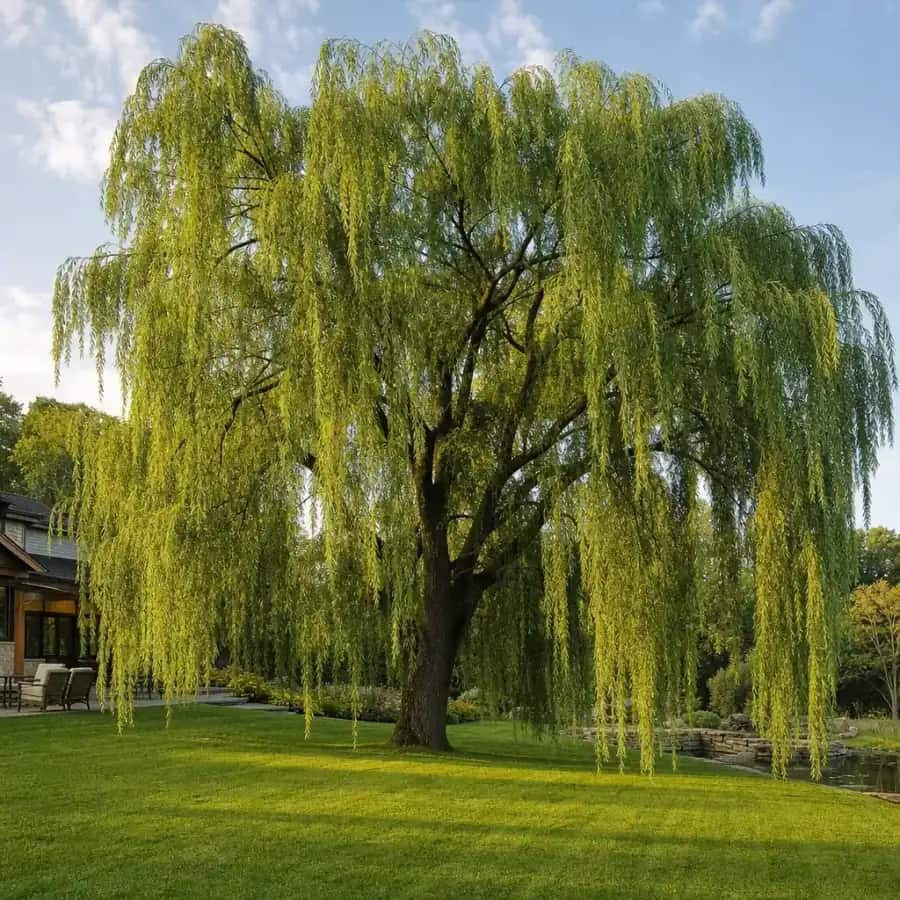
 Zones 4 to 9
Shade Trees
Weeping Willow
$40
Shop large, nursery-grown shade, privacy, flowering and fruit trees, delivered by freight in Seattle. Every tree is matched to your hardiness zone and backed by our 1-Year Thrive Guarantee.
Enter your ZIP and we'll match trees to your exact growing zone.
Typical winter lows in Seattle run about 20 to 25 F.
Matched to Seattle's zone
Zones 4 to 9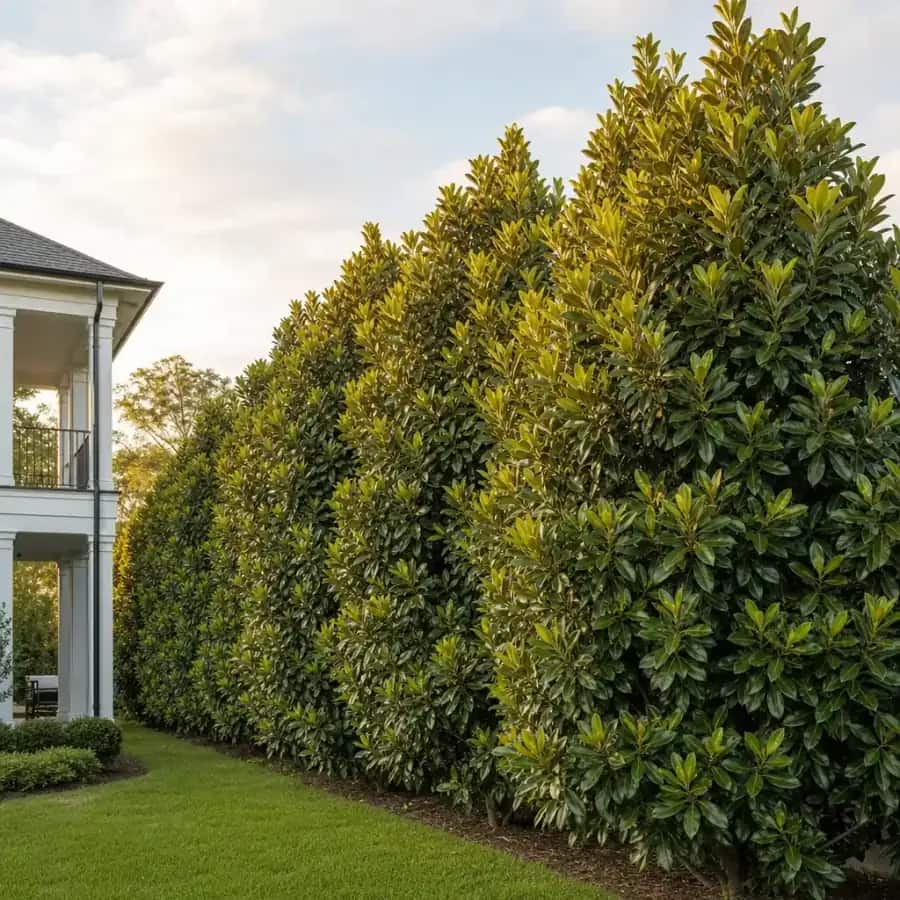 Zones 7 to 9
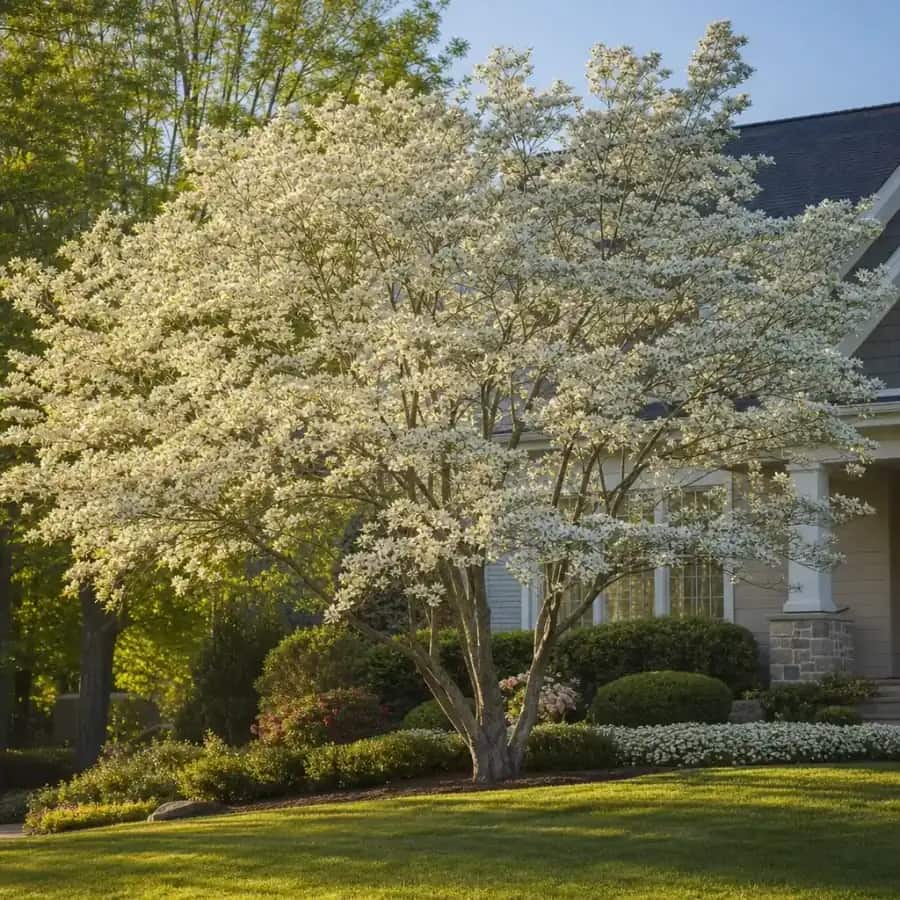 Zones 5 to 9
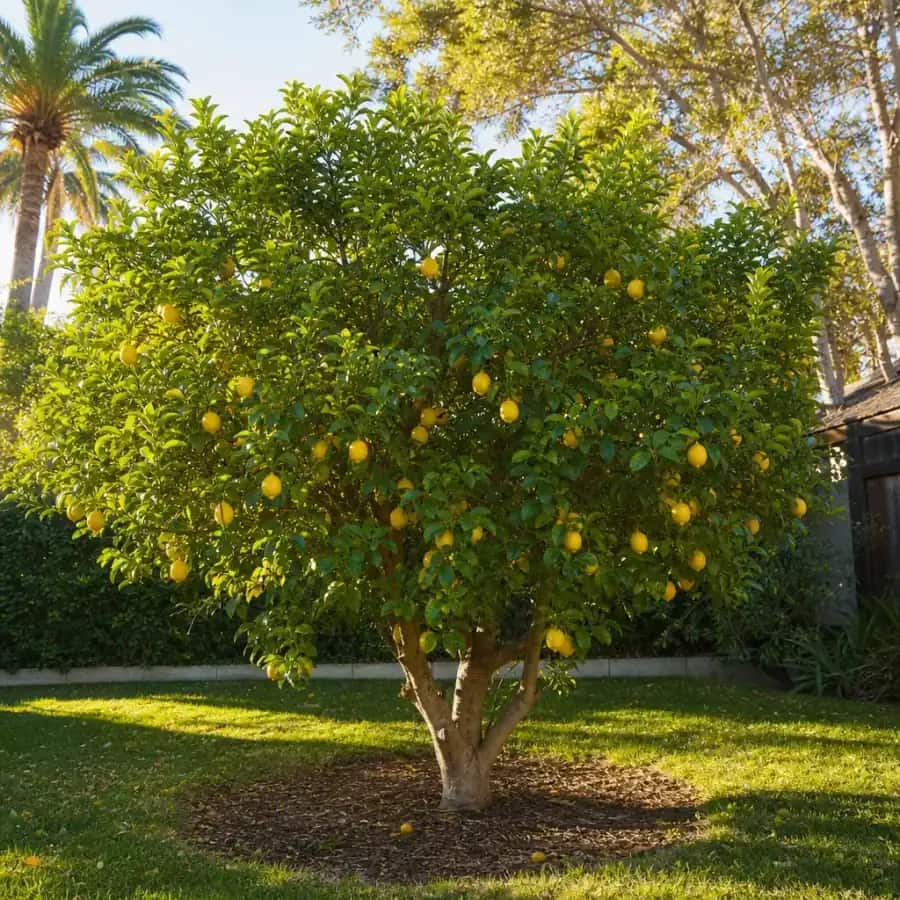 Zones 8 to 11
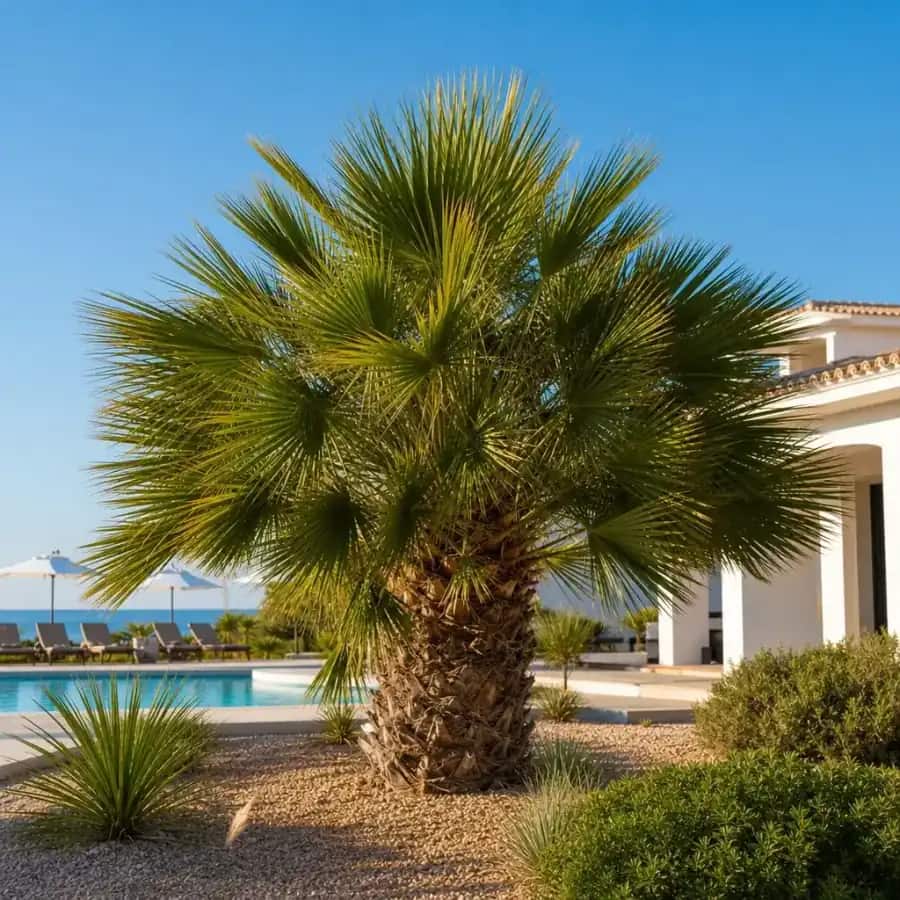 Zones 8 to 11
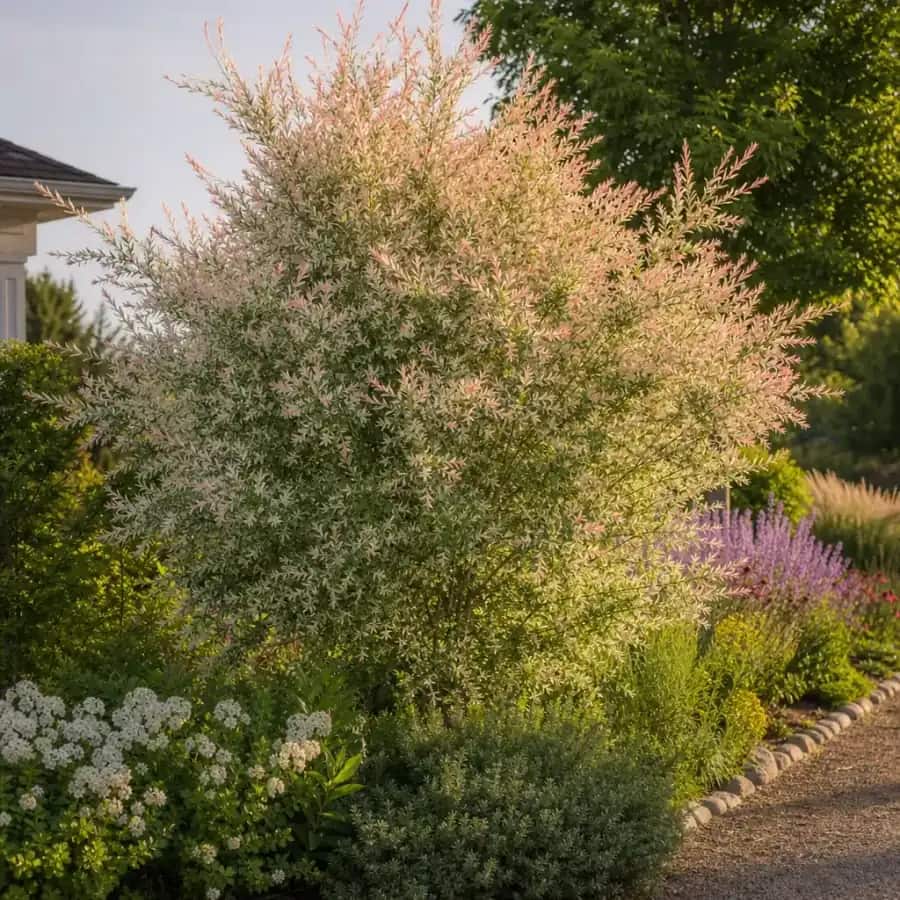 Zones 5 to 9
Shop by category
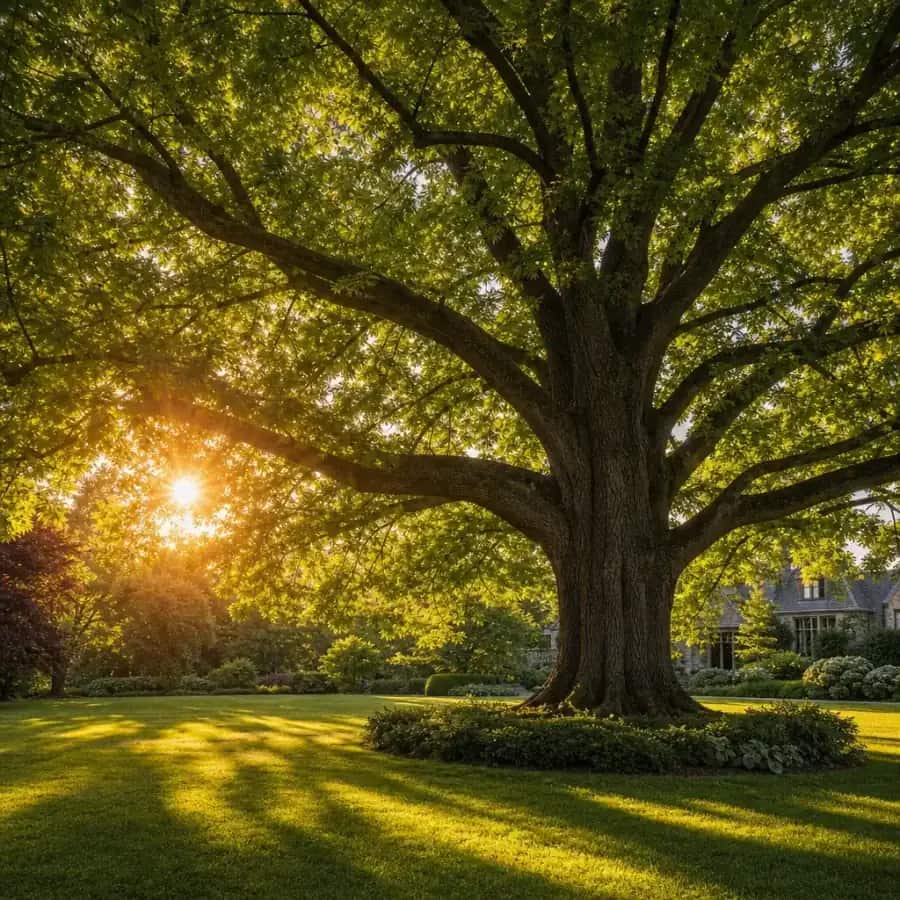 Shade TreesBroad canopies that cool your yard during Seattle's drier summer stretches.View all Shade Trees →
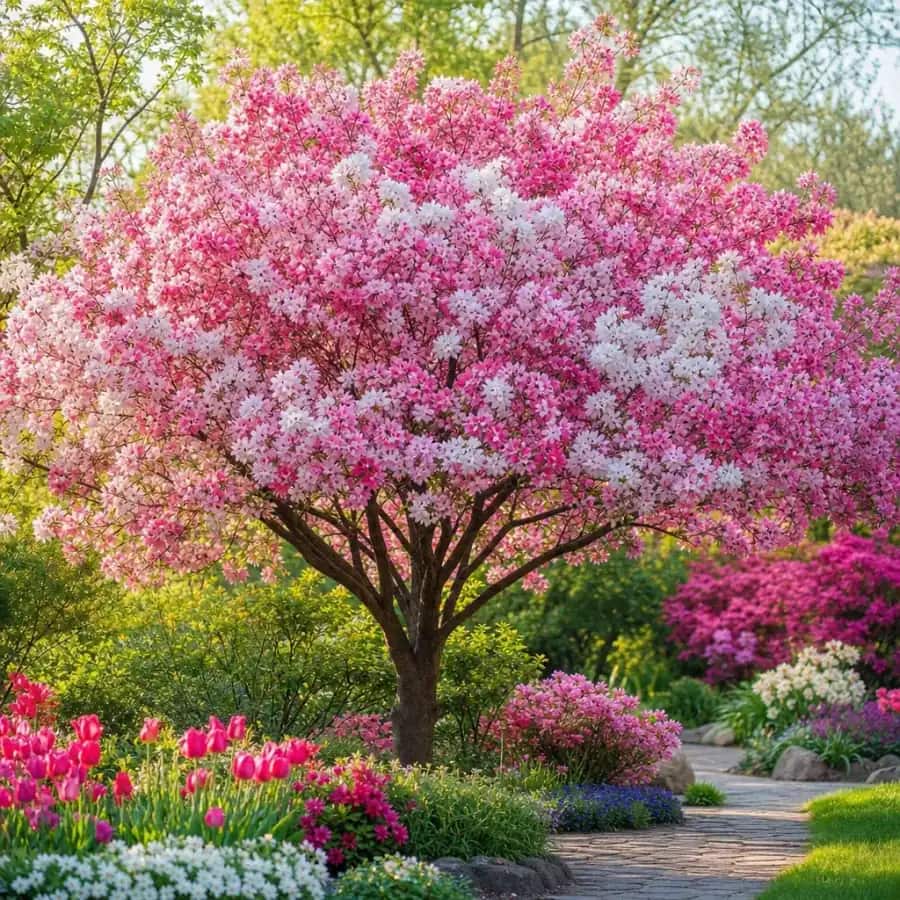 Flowering & OrnamentalRedbuds, crape myrtles and blooming showpieces.View all Flowering & Ornamental →
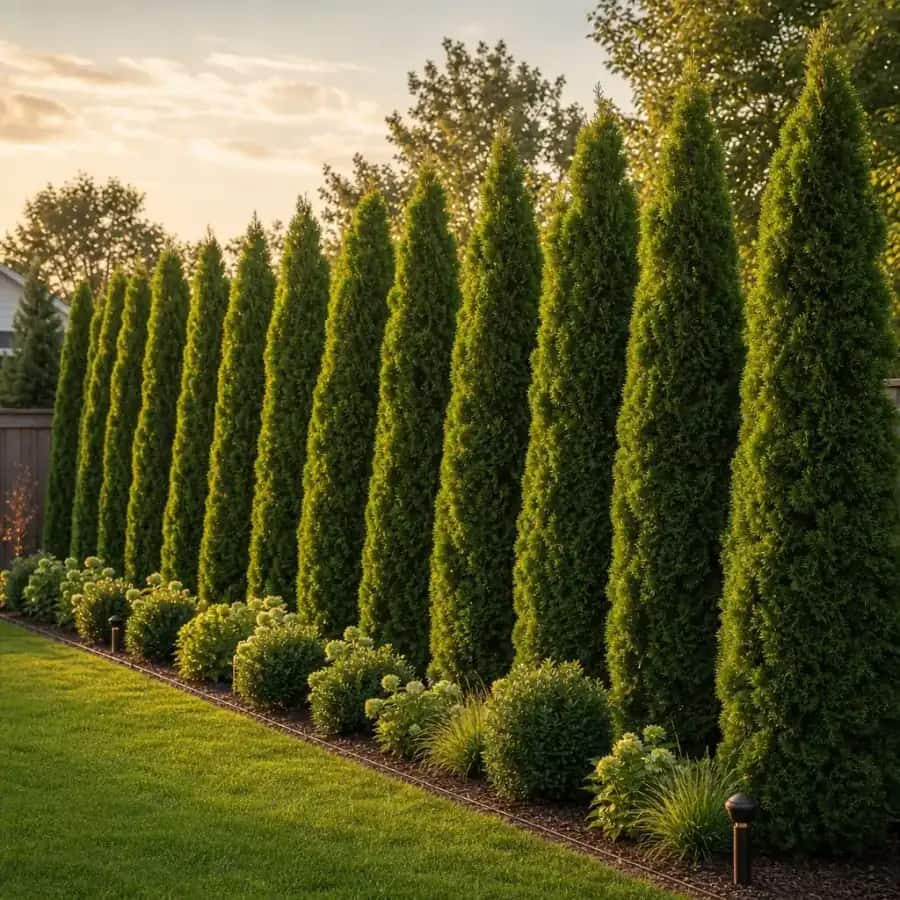 Evergreen & PrivacyYear-round screening that tolerates the mild winter lows around 20 to 25 degrees F.View all Evergreen & Privacy →
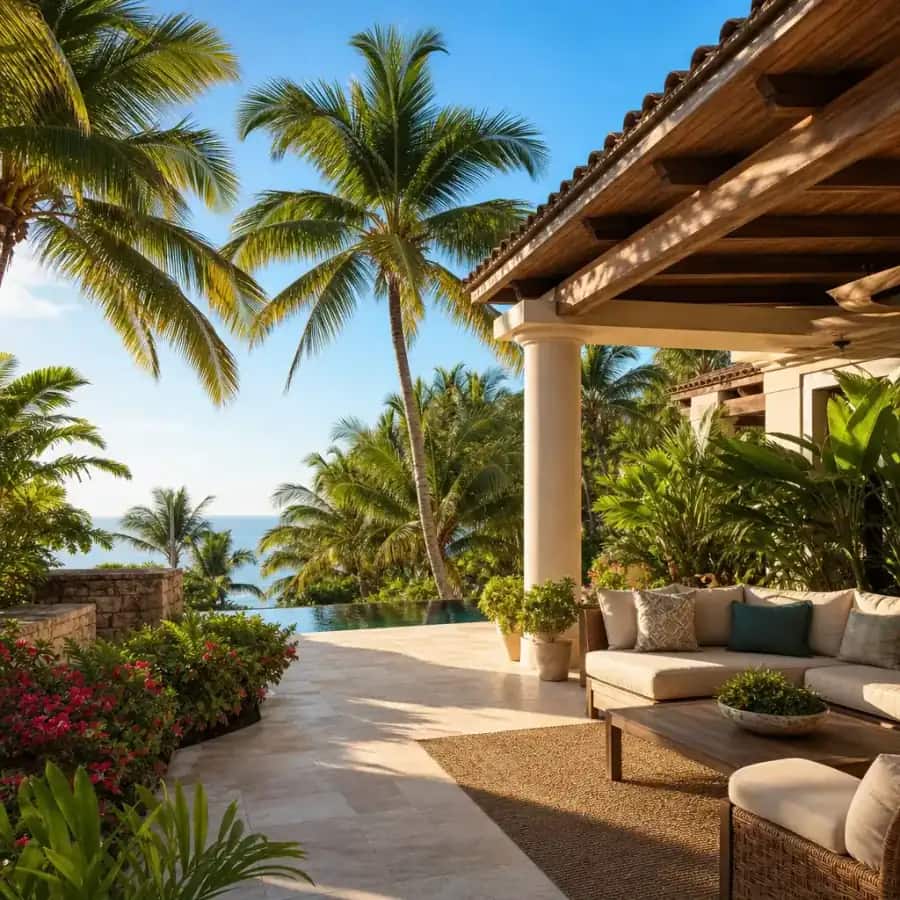 Palms & TropicalsAccent plants with cold-hardy varieties suited to Seattle's frost-free periods.View all Palms & Tropicals →
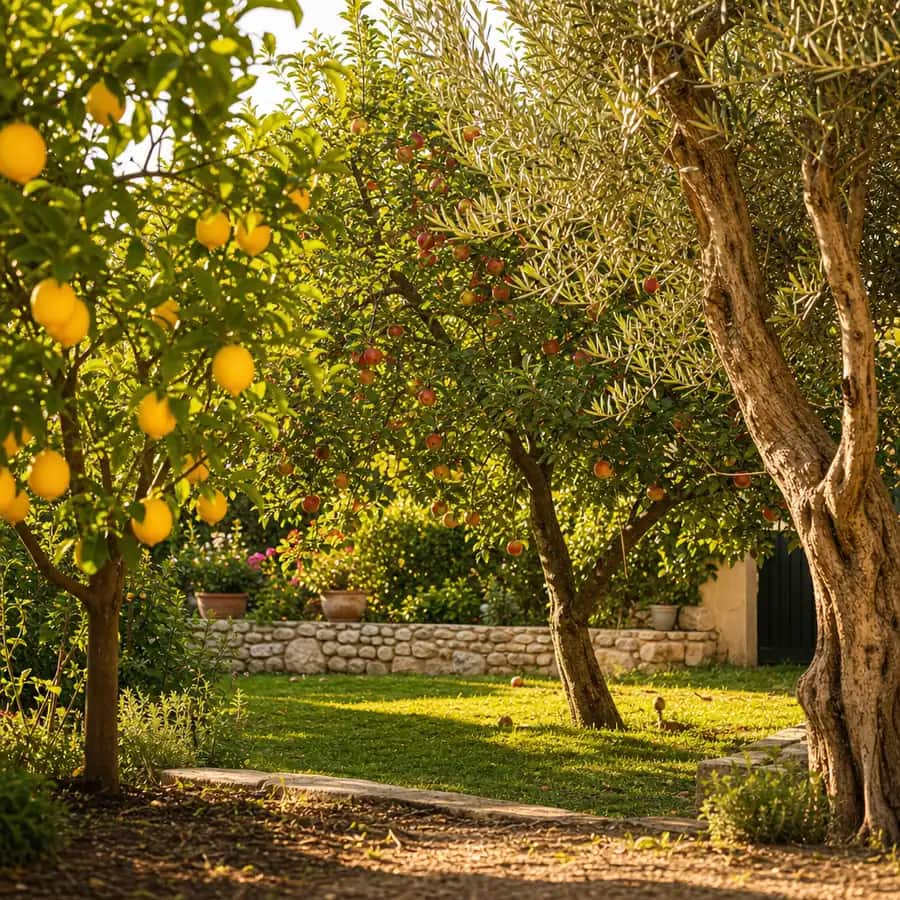 Fruit TreesHardy fig and low-chill options for fresh fruit right in your backyard.View all Fruit Trees →
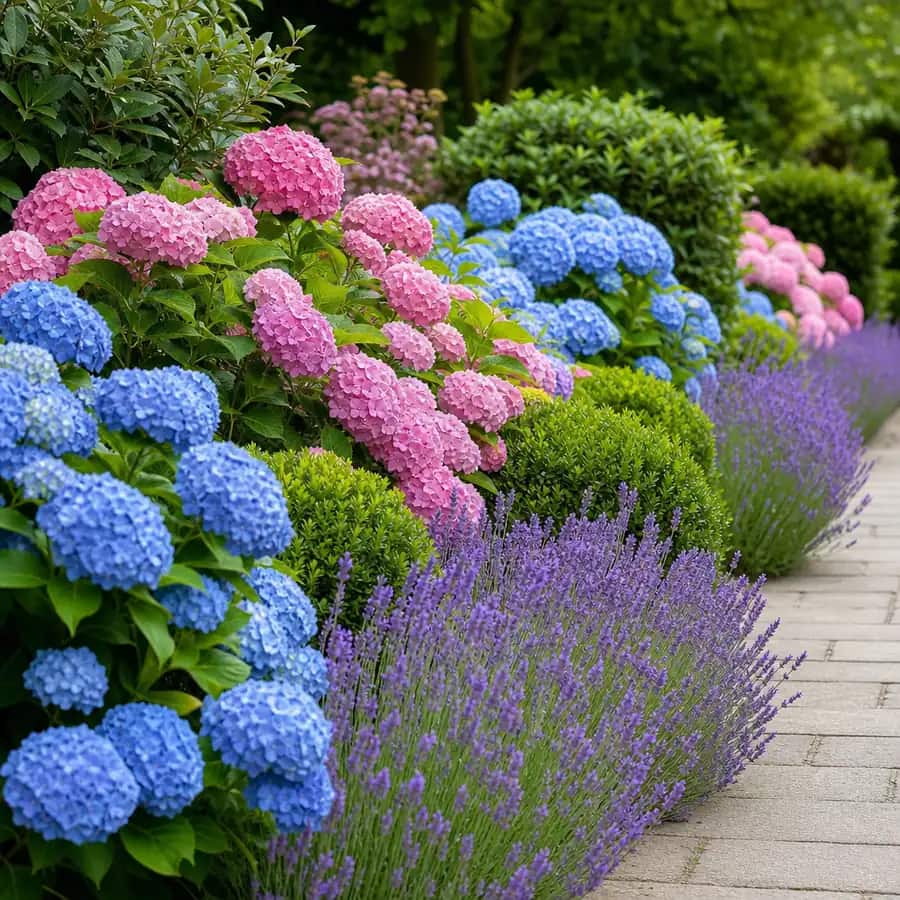 Shrubs & HedgesHydrangeas, hollies, lavender and living privacy.View all Shrubs & Hedges →
Local fit, from data
9a
about 20 to 25 F
King County
Washington
Trees delivered to Seattle, WA 98174 from Arbor Buddy arrive as large, nursery-grown specimens shipped by freight. We match every tree to your local USDA hardiness zone 9a. Homeowners and contractors can browse shade, flowering, evergreen, fruit, and accent categories. Each purchase is backed by a 1-Year Thrive Guarantee.
Seattle's ZIP 98174 sits in USDA hardiness zone 9a, where typical winter lows run about 20 to 25 degrees F. That means frost is infrequent, and the growing season runs long. The mild climate allows a mix of broadleaf shade trees, flowering ornaments, evergreens, and cold-hardy palms.
Trees for zone 9 in Seattle need to tolerate cool, wet winters and the occasional dry summer stretch. Deciduous shade trees like American Sycamore thrive here, while columnar junipers provide reliable privacy. Fruit choices lean toward low-chill figs or apples, but citrus like Meyer lemon is risky because cold below 20 F damages it.
Many categories from Arbor Buddy suit this zone well. Shade trees, flowering ornamentals, and evergreens all perform strongly. Palms and tropicals such as Sago Palm handle zone 9 winters if placed in a sheltered spot.
In zone 9a, typical winter lows in Seattle run about 20 to 25 degrees F. That means light frost is possible, but prolonged deep freezes are rare. Cold-sensitive plants like citrus need protection when temperatures drop into the teens.
Fast-growing shade trees like American Sycamore (hardy to zone 9) do well here. Other good choices include Chinese Elm and Mexican Sycamore. These trees provide real summer shade and tolerate the region's cool, wet winters and occasional dry spells.
Columnar junipers such as Hetz Columnaris Chinese Juniper and Spartan Chinese Juniper are excellent for screening. They stay narrow and keep their needles year-round. Evergreens like Eagleston Topel Holly also work well in zone 9a.
Yes, but with limits. Hardy figs like Chicago Hardy Fig Tree produce well in zone 9a. Citrus such as Meyer Lemon is not frost hardy and may struggle if temperatures fall below 20 F. Stick to low-chill fruit trees and figs for reliable harvests.
For shade, privacy, flowering, fruit, and accent trees matched to your zone in ZIP 98174 of Seattle, Arbor Buddy ships large, nursery-grown trees with a 1-Year Thrive Guarantee.
Browse the trees suited to your area and order online.
ZIP 23805 in Petersburg, Virginia sits in zone 7b with winter lows of 5 to 10 F. That harsher cold rules out many citrus and tropical options. In practice, buyers here lean toward cold-hardy fruit like apples and pears. For your cart, that means Seattle's warmer 9a lets you safely consider figs and even some palms.
ZIP 05847 in Lowell, Vermont falls in zone 4b, where winter lows drop to -25 to -20 F. That gap changes the local shortlist to must-have evergreens and hardy deciduous trees. Palms and tropicals cannot survive outdoors year-round there. For your cart, that means Seattle's mild winters open the door to Sago Palm and other accent plants that would fail in Vermont.
ZIP 53924 in Cazenovia, Wisconsin is zone 5a with lows of -20 to -15 F. That deep cold limits privacy screening choices to the toughest evergreens. For your cart, that means in Seattle you have a wider range of columnar junipers and broadleaf evergreens that remain lush through winter without freeze damage. Overall, Seattle's moderate winter lows and long growing season make it easier to grow shade, fruit, and tropical accents compared to colder markets.
Arbor Buddy ships large, nursery-grown trees by freight to your home in ZIP 98174. Delivery also covers the other Seattle ZIPs 98168, 98170, 98175, 98177, 98178, 98181. The freight truck needs enough street room to stop and turn. Someone must be home to receive the tree and inspect it.
Every tree is zone-matched to 9a before shipping, so you get a variety proven for your climate. The 1-Year Thrive Guarantee covers free replacement if any tree does not survive its first year. Orders to zone 9 areas are scheduled for fall and early-spring arrival.
Before delivery day, check:
Enter your ZIP, shop only what thrives in your zone.
Freight delivery to your address: $149 flat per order, shown at checkout.
Plant it, watch it thrive, covered for one year.
Good to know · Growing guide
Coverage runs a full year from delivery. If something goes wrong, contact the team and they arrange the replacement. No store-credit games, no fine-print maze.