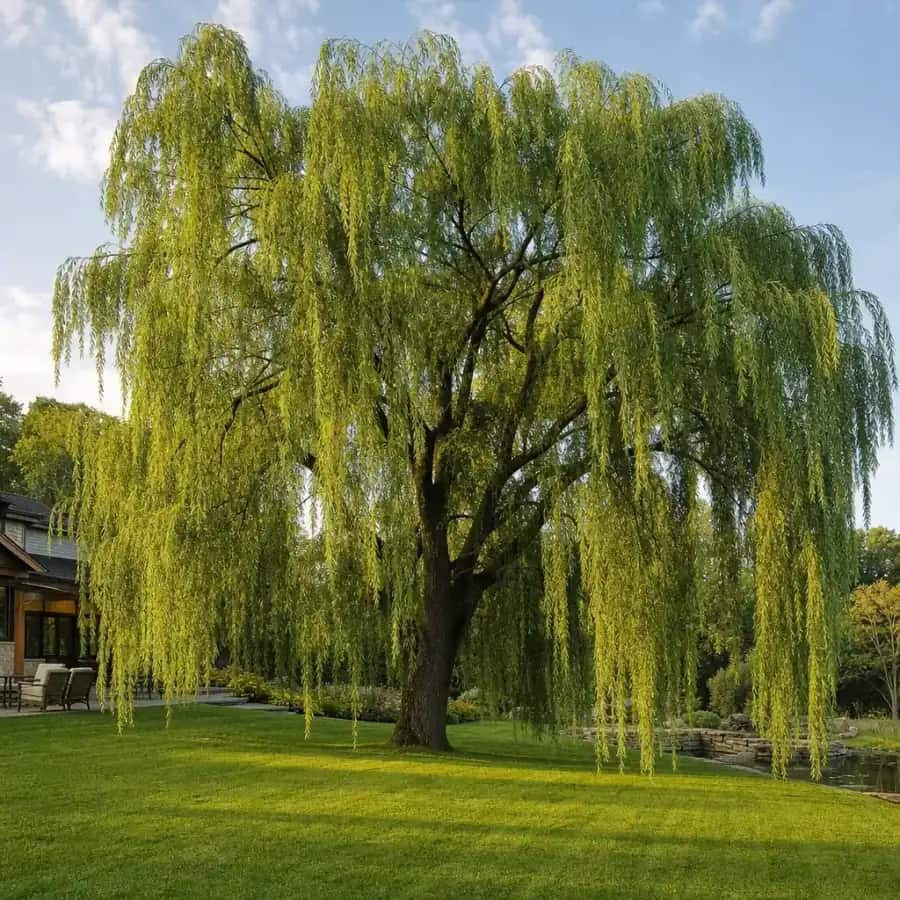
 Zones 4 to 9
Shade Trees
Weeping Willow
$40
Shop large, nursery-grown shade, privacy, flowering and fruit trees, delivered by freight in Seattle. Every tree is matched to your hardiness zone and backed by our 1-Year Thrive Guarantee.
Enter your ZIP and we'll match trees to your exact growing zone.
Typical winter lows in Seattle run about 20 to 25 F.
Matched to Seattle's zone
Zones 4 to 9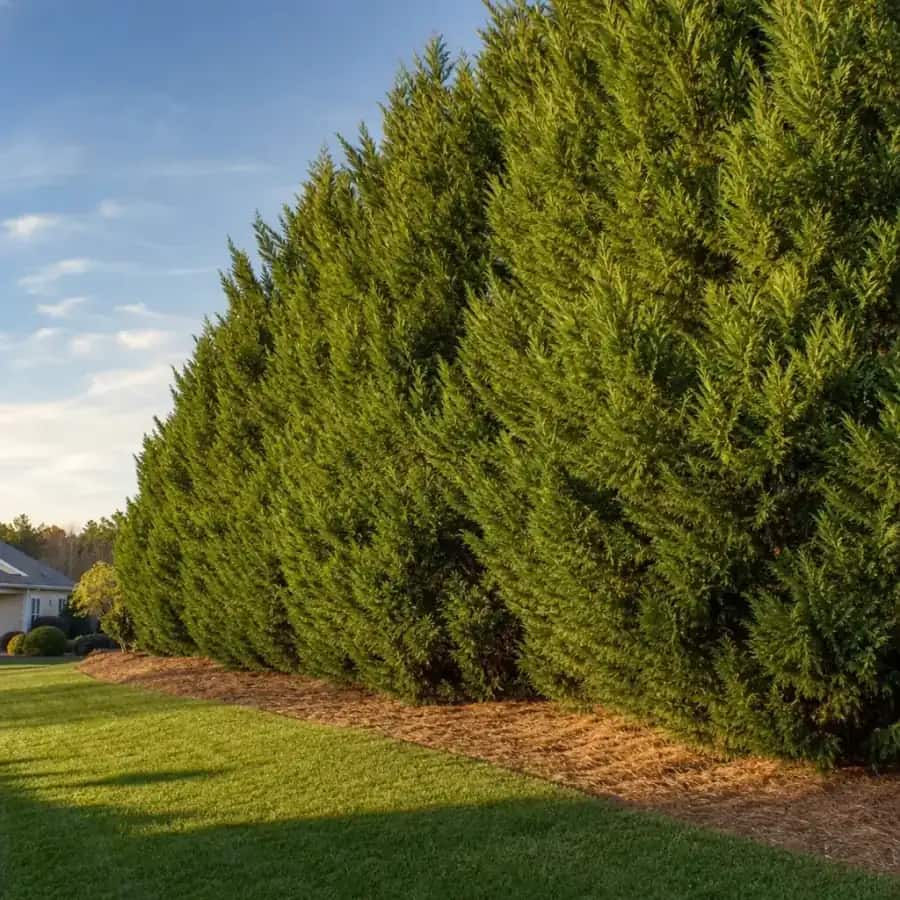 Zones 6 to 10
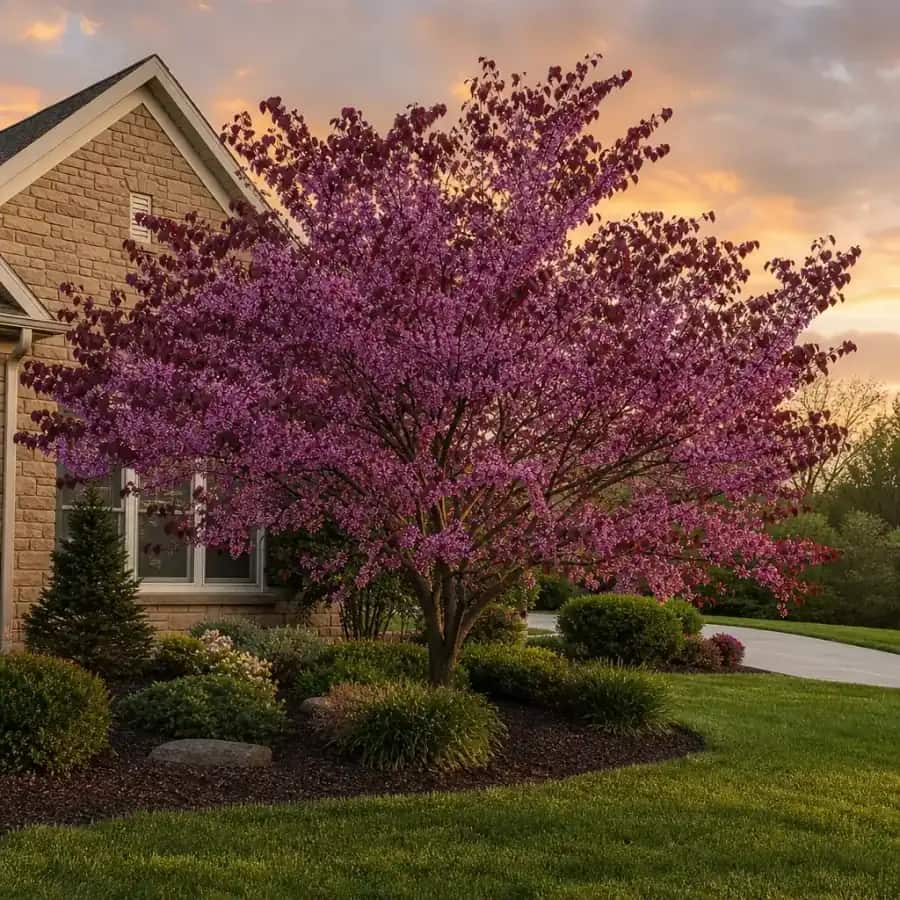 Zones 4 to 9
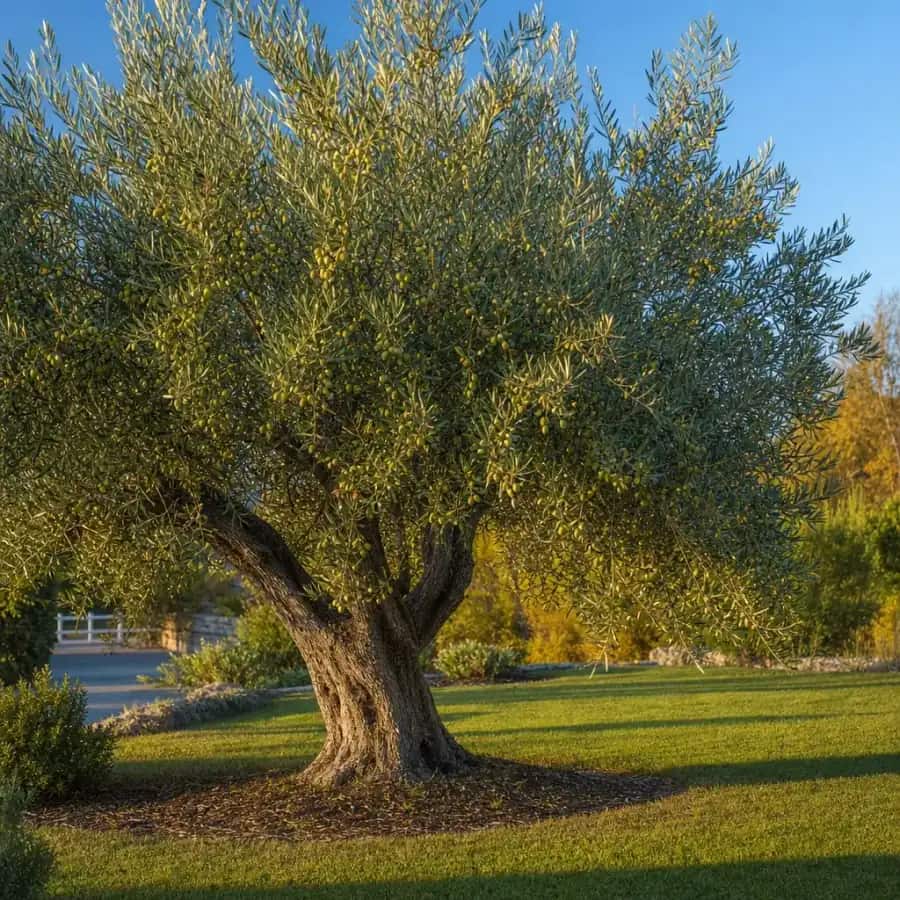 Zones 8 to 11
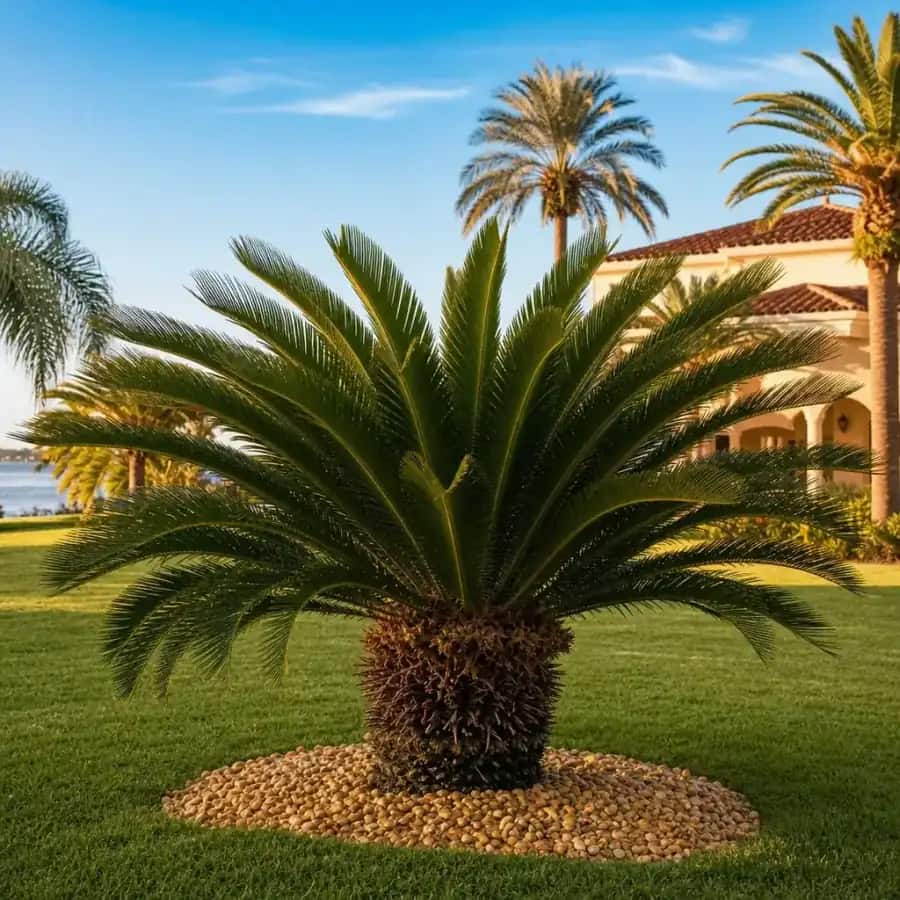 Zones 8 to 11
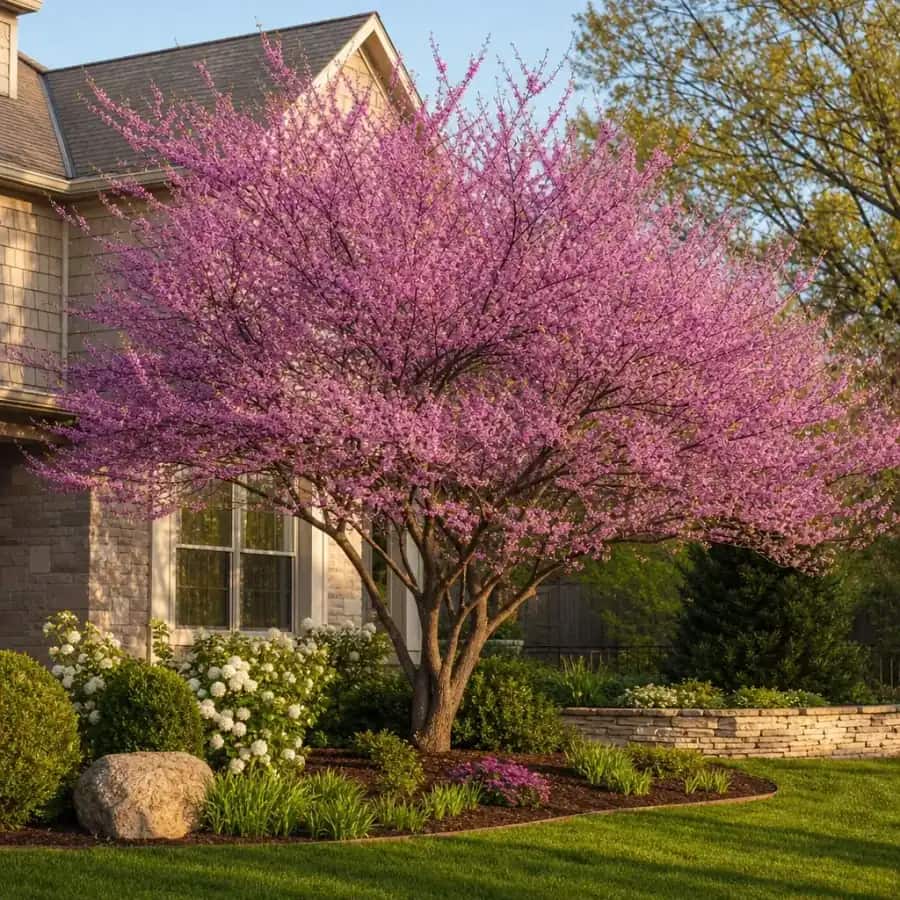 Zones 4 to 9
Shop by category
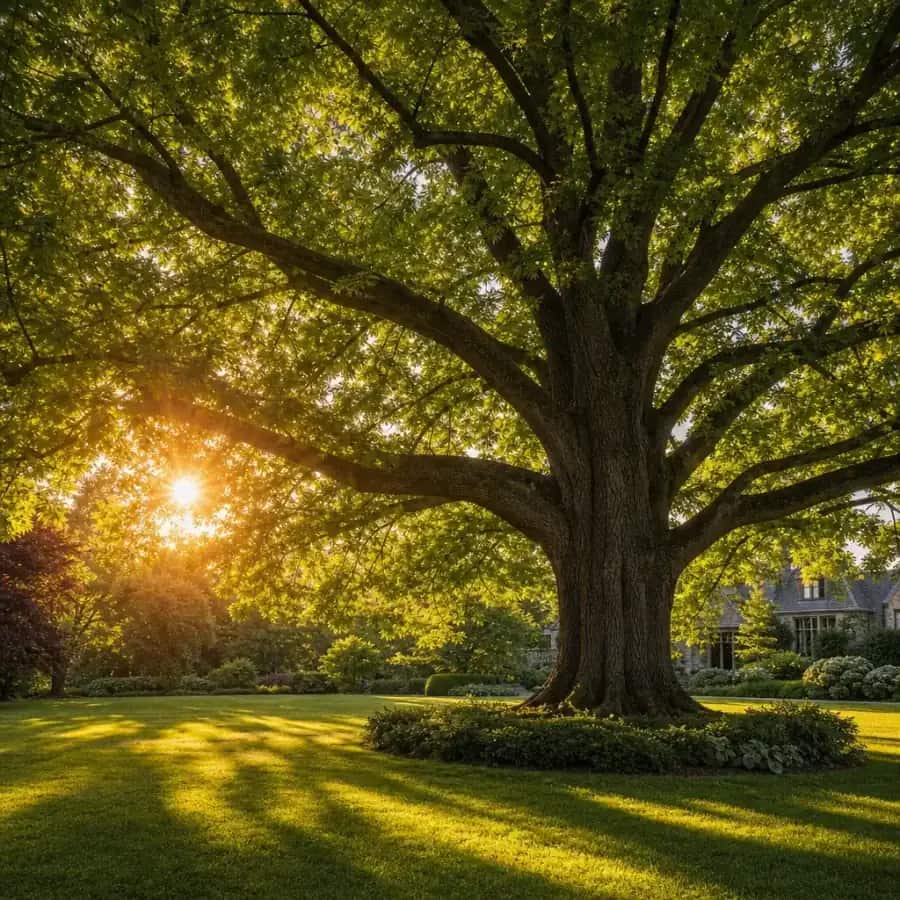 Shade TreesBroad canopies that cool patios and homes during Seattle's warming summers.View all Shade Trees →
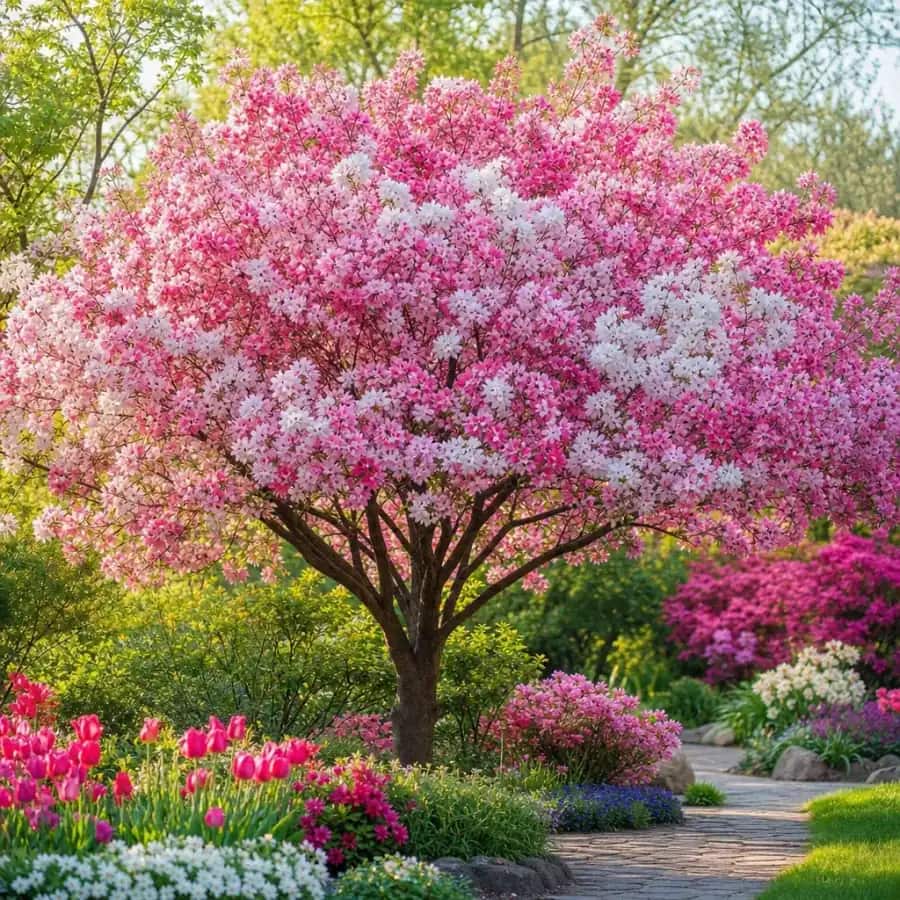 Flowering & OrnamentalBlooms that extend from spring through fall in your mild zone.View all Flowering & Ornamental →
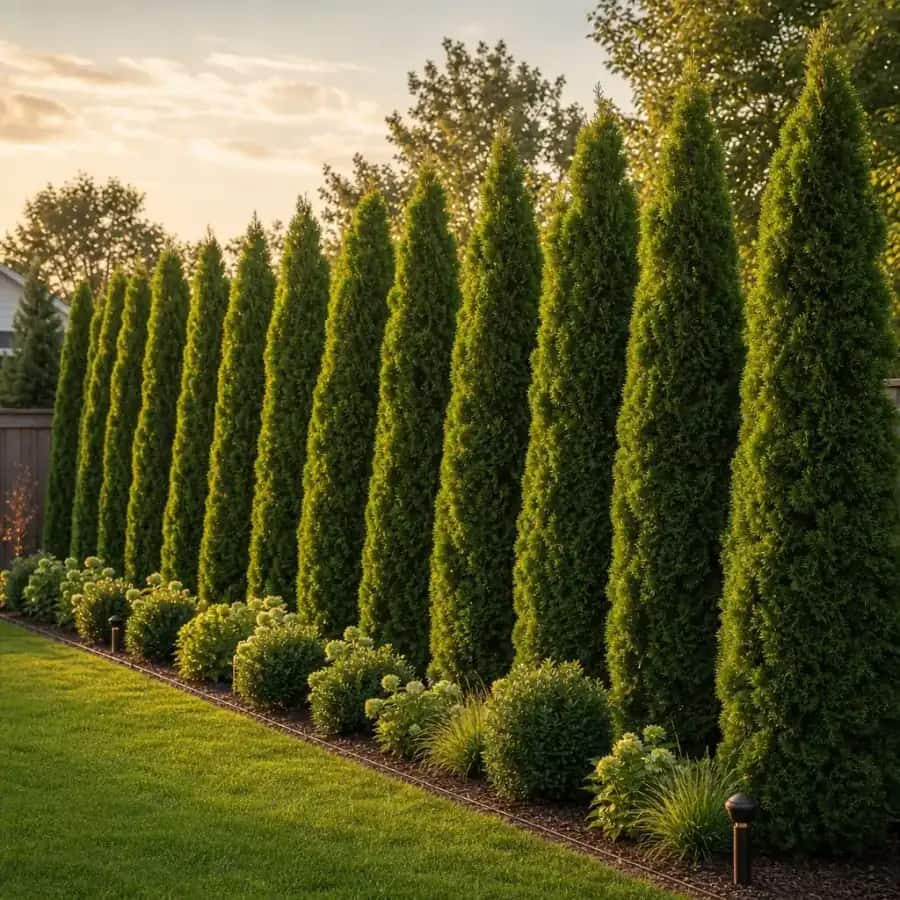 Evergreen & PrivacyYear-round foliage for screening neighbors or windbreaks in zone 9.View all Evergreen & Privacy →
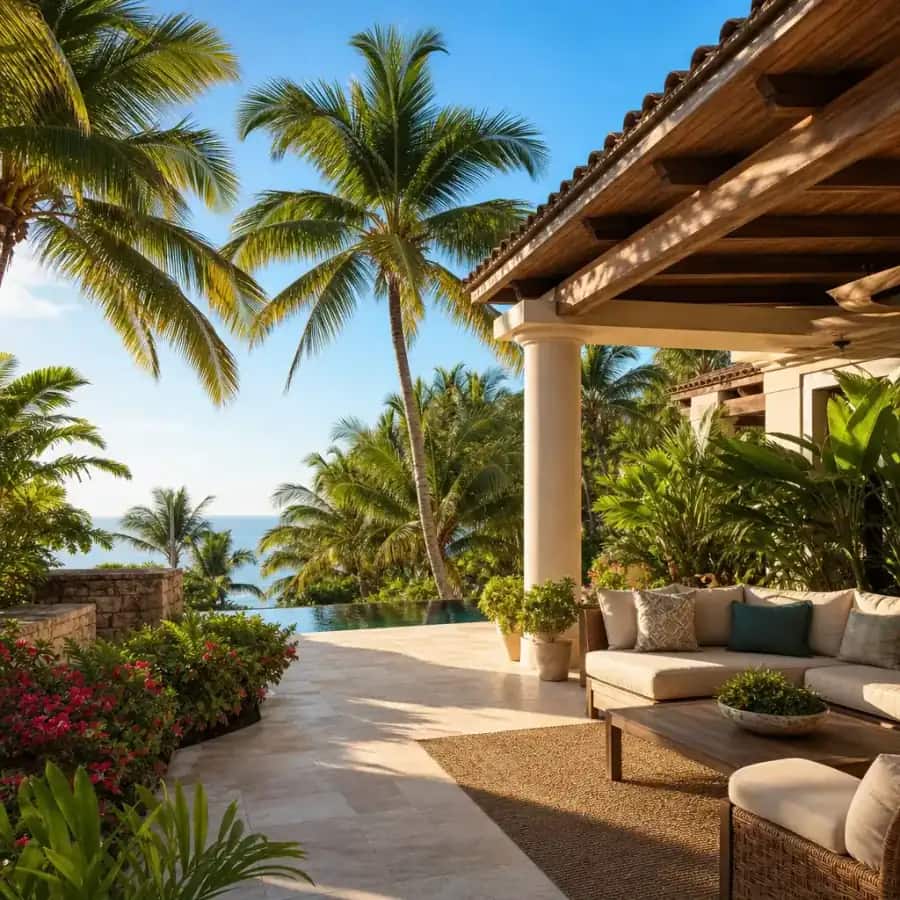 Palms & TropicalsCold-tolerant palms that add a subtropical feel without frost damage.View all Palms & Tropicals →
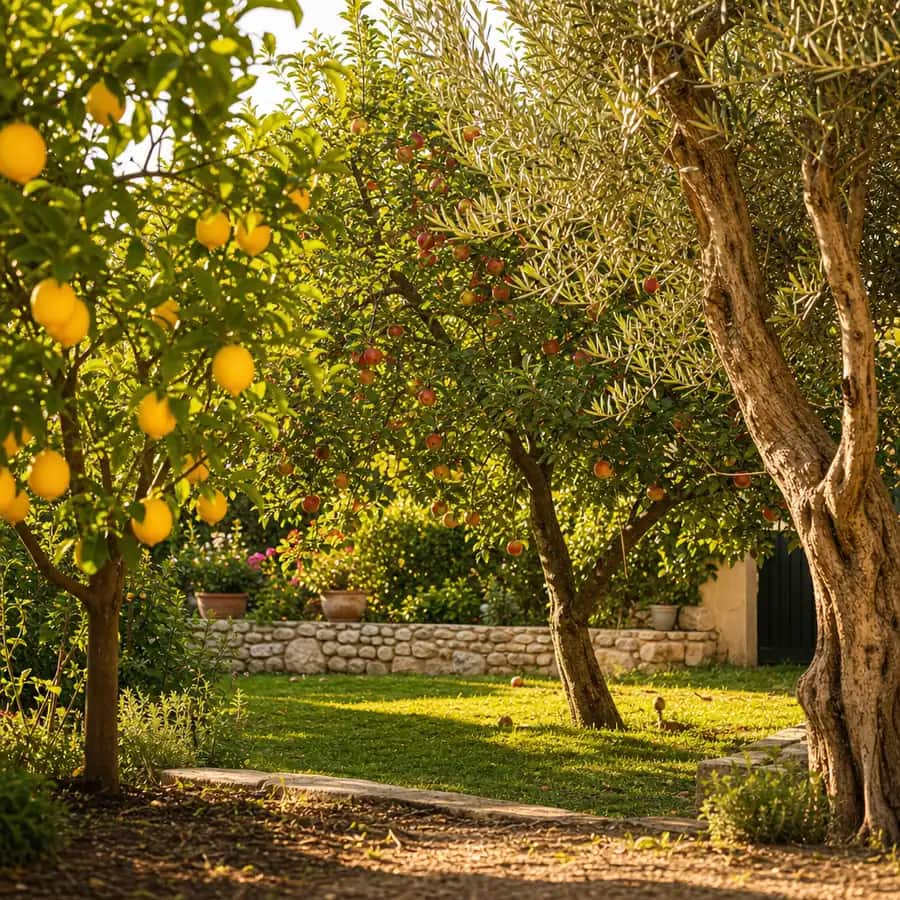 Fruit TreesCitrus and other fruits that ripen in your long growing season.View all Fruit Trees →
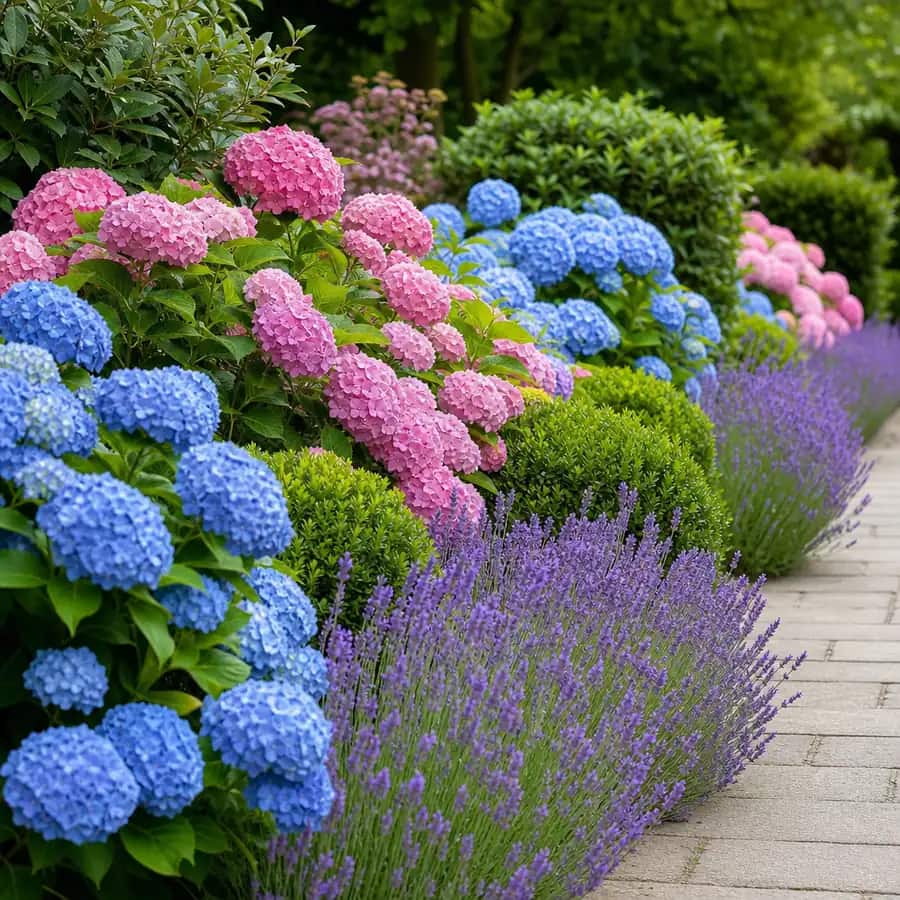 Shrubs & HedgesCompact choices for borders or accents that fit zone 9 conditions.View all Shrubs & Hedges →
Local fit, from data
9a
about 20 to 25 F
King County
Washington
Arbor Buddy delivers large, nursery-grown trees by freight to Seattle, WA 98155. Homeowners and contractors in King County can choose from shade, flowering, privacy, fruit, and tropical trees. Every tree is matched to your local hardiness zone 9a.
Your zone supports a long growing season with mild winters. That means you can grow crape myrtles and palms alongside classic evergreens. Browse the options that thrive here.
Your ZIP sits in USDA hardiness zone 9a, where typical winter lows run about 20 to 25 degrees F. That mild cold allows a mix of subtropical and temperate trees. You can plant crape myrtles, citrus, and palms alongside classic shade trees.
Summers are warm but not scorching, and humidity stays moderate. That balance favors mildew-resistant flowering trees and broadleaf evergreens. Soils in the Seattle area lean slightly acidic, which suits birches and hollies well. Supplemental water during dry spells helps most trees establish.
For zone 9 in Seattle, the key is choosing trees that handle the occasional cold snap and enjoy the long growing season. All six featured options are pre-screened for that envelope.
For shade, privacy, flowering, fruit, and accent trees matched to your zone in ZIP 98155 of Seattle, Arbor Buddy ships large, nursery-grown trees with a 1-Year Thrive Guarantee.
Browse the trees suited to your area and order online.
ZIP 84129 in Salt Lake City, Utah (UT) sits in zone 7b with winter lows of 5 to 10 F. That colder climate limits flowering trees like crape myrtles. For your cart, that means you can grow the lavender blooms of Muskogee Crape Myrtle while Salt Lake City gardeners must choose hardier alternatives like lilacs. Your warmer zone also lets you keep citrus in the ground with occasional protection.
ZIP 37333 in Farner, Tennessee (TN) is also zone 7b with lows of 5 to 10 F. That gap changes the local shortlist to hardier evergreens and fewer subtropical options. In practice, buyers here lean toward privacy screens like Skyrocket Juniper, while you can mix Liberty Holly with a tropical palm. Your milder winters give you more flexibility for screening with broadleaf evergreens.
ZIP 53808 in Dickeyville, Wisconsin (WI) is zone 5a with lows of -20 to -15 F. Palms and tropicals struggle there entirely. In practice, buyers here lean toward hardy shade trees like oaks. Your zone 9a lets you plant Chinese Windmill Palm as a focal point, something Dickeyville gardeners cannot attempt. The contrast shows how your mild winters open up palms and tropicals as a viable category.
For Seattle buyers, the main takeaway is that your zone 9a gives you a broader palette, flowering crape myrtles, citrus, and cold-hardy palms, than colder regions, while still supporting classic shade and privacy trees.
Arbor Buddy ships trees by freight to residential addresses across ZIP 98155. We also deliver to Seattle's other ZIPs: 98146, 98148, 98154, 98158, 98160, 98161. Every tree comes with a 1-Year Thrive Guarantee, free replacement if it doesn't survive its first year.
Deliveries into zone 9 land in fall through early spring, when planting weather is on your side. The freight truck needs a spot to stop and turn. Someone must be home to receive the tree and inspect it.
Before delivery day, check:
Enter your ZIP, shop only what thrives in your zone.
Freight delivery to your address: $149 flat per order, shown at checkout.
Plant it, watch it thrive, covered for one year.
Good to know · Growing guide
Coverage runs a full year from delivery. If something goes wrong, contact the team and they arrange the replacement. No store-credit games, no fine-print maze.