 Zones 4 to 9
Shade Trees
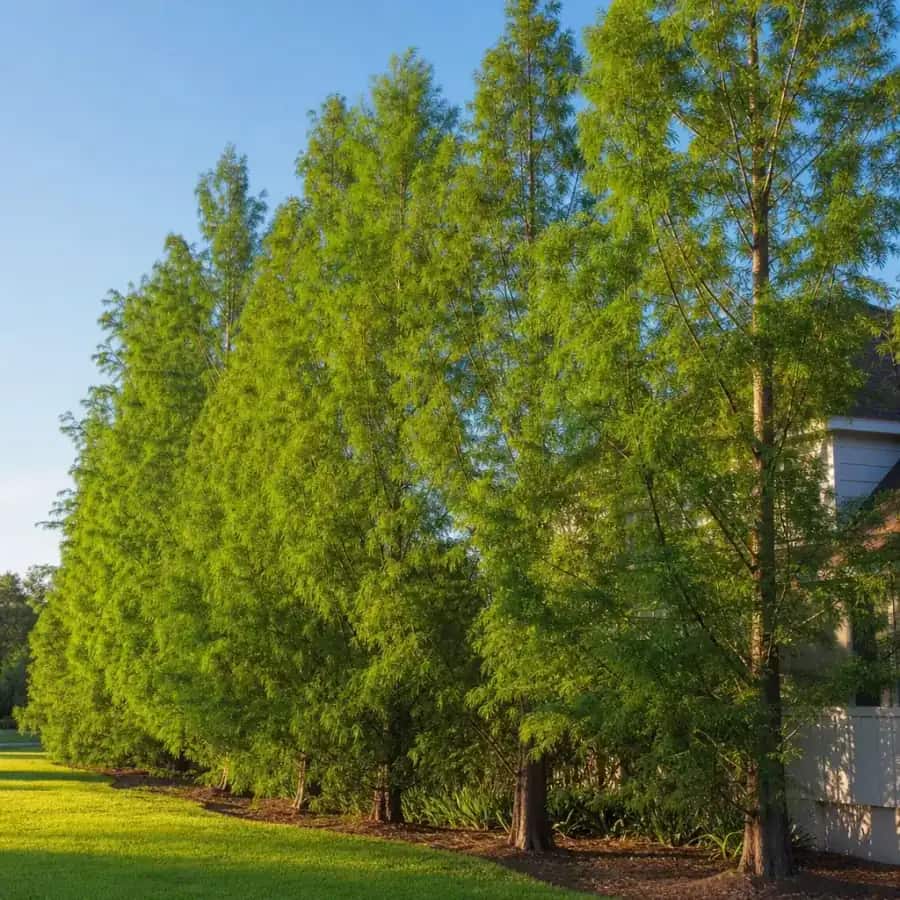
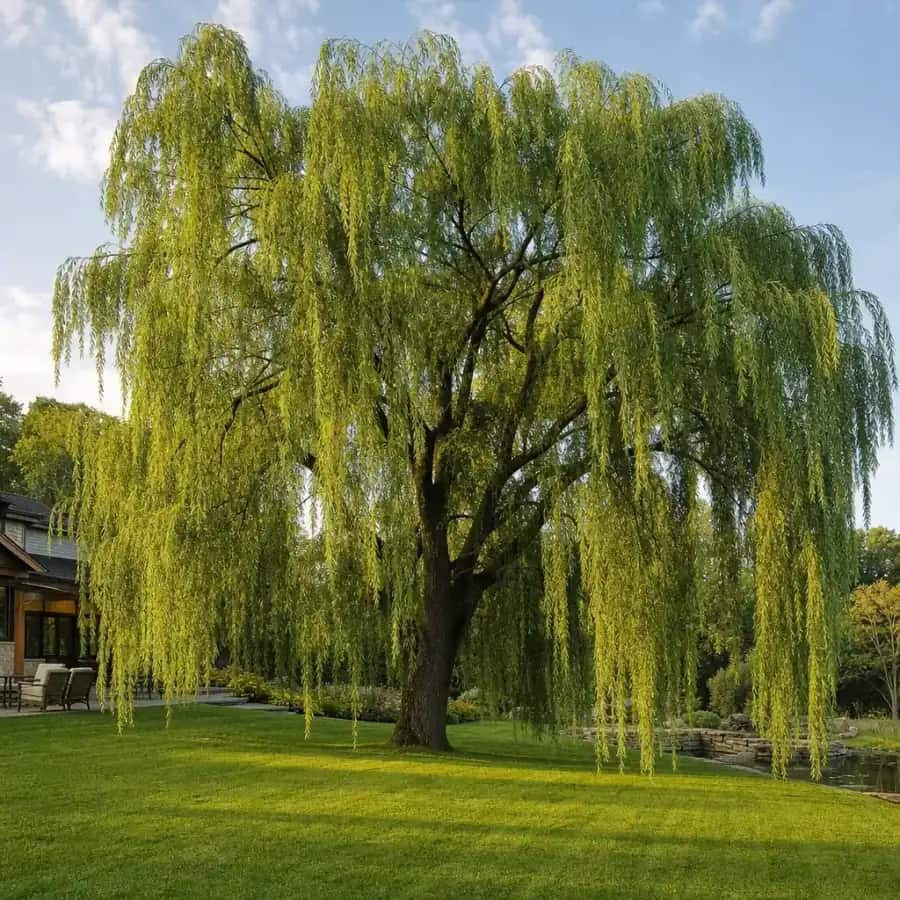
Weeping Willow
$40
Shop large, nursery-grown shade, privacy, flowering and fruit trees, delivered by freight in Seattle. Every tree is matched to your hardiness zone and backed by our 1-Year Thrive Guarantee.
Enter your ZIP and we'll match trees to your exact growing zone.
Typical winter lows in Seattle run about 20 to 25 F.
Matched to Seattle's zone
Shop by category
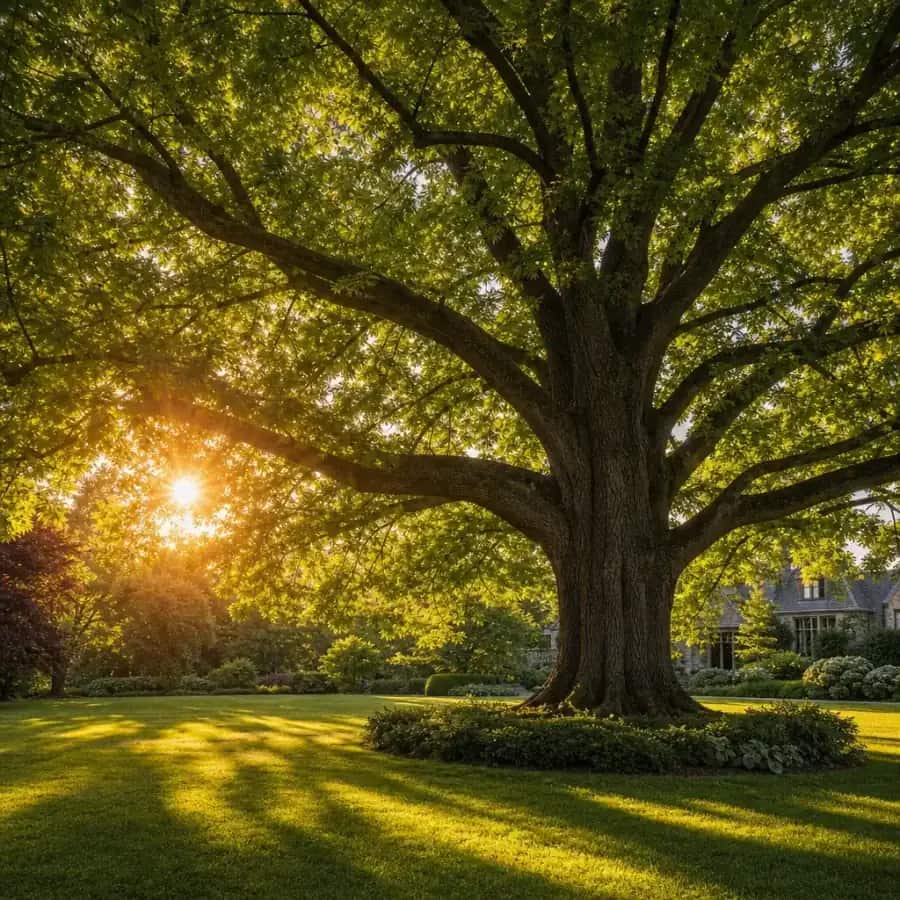 Shade TreesBlock summer heat with fast-growing canopy trees matched to zone 9's mild winters.View all Shade Trees →
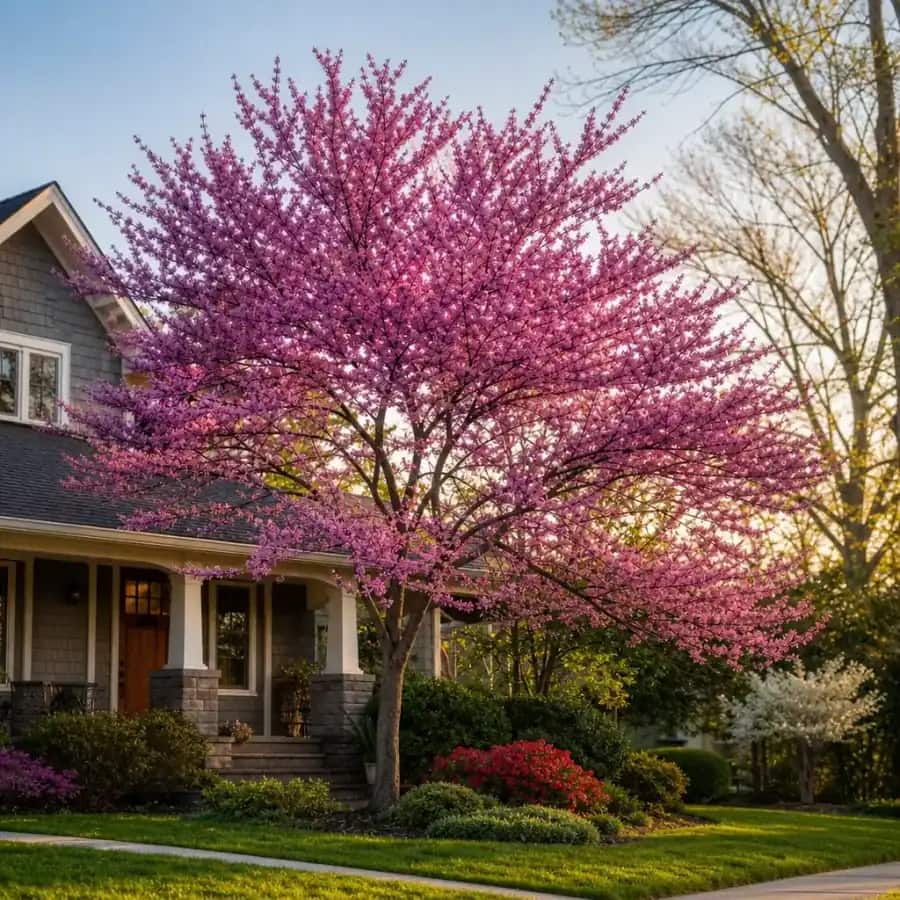
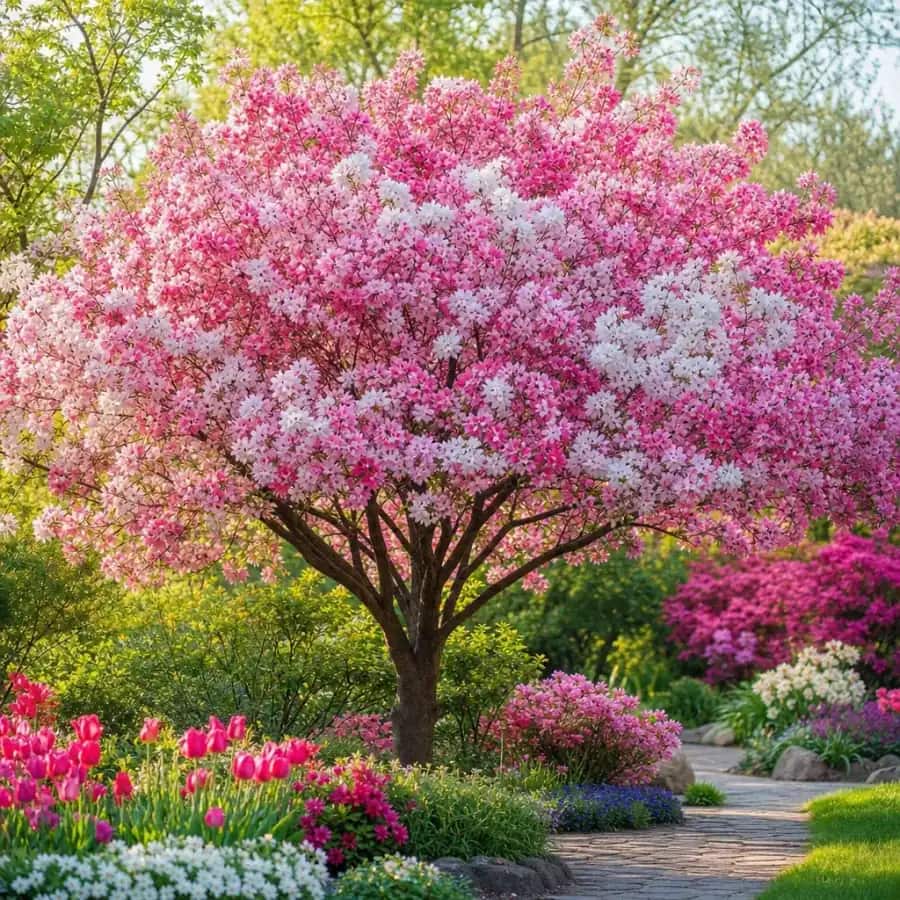 Flowering & OrnamentalAdd seasonal color with spring bloomers that laugh off light frosts.View all Flowering & Ornamental →
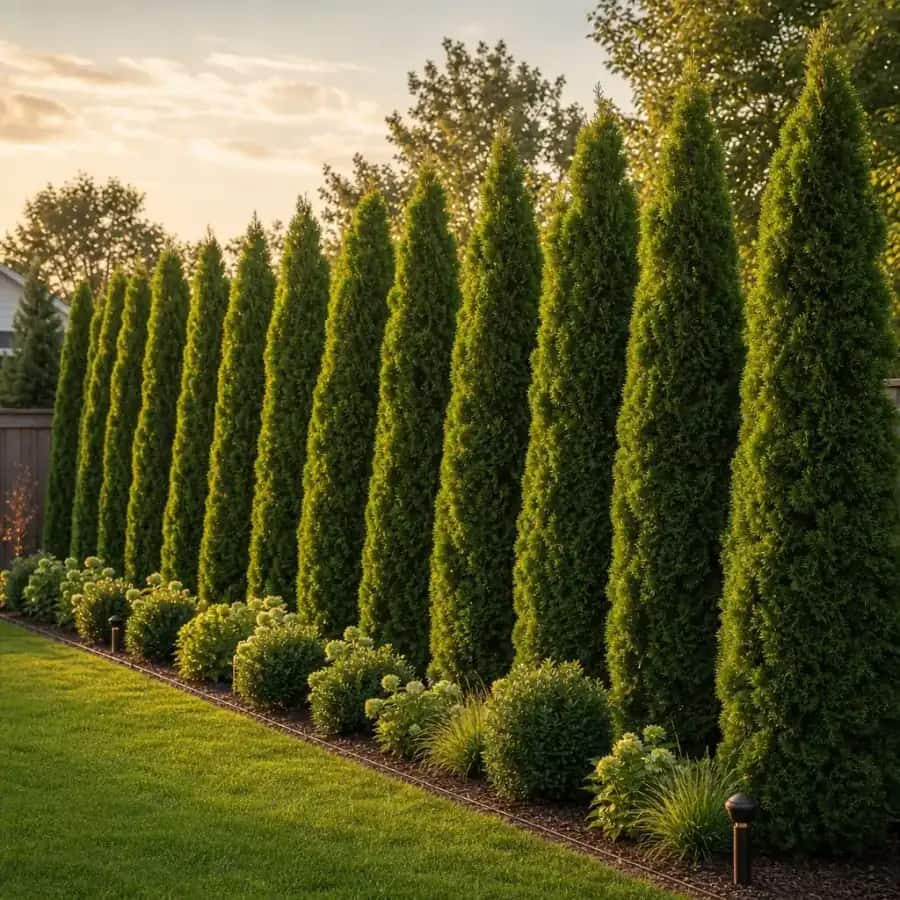 Evergreen & PrivacyCreate year-round screens with conifers and broadleaf evergreens suited to 20-degree lows.View all Evergreen & Privacy →
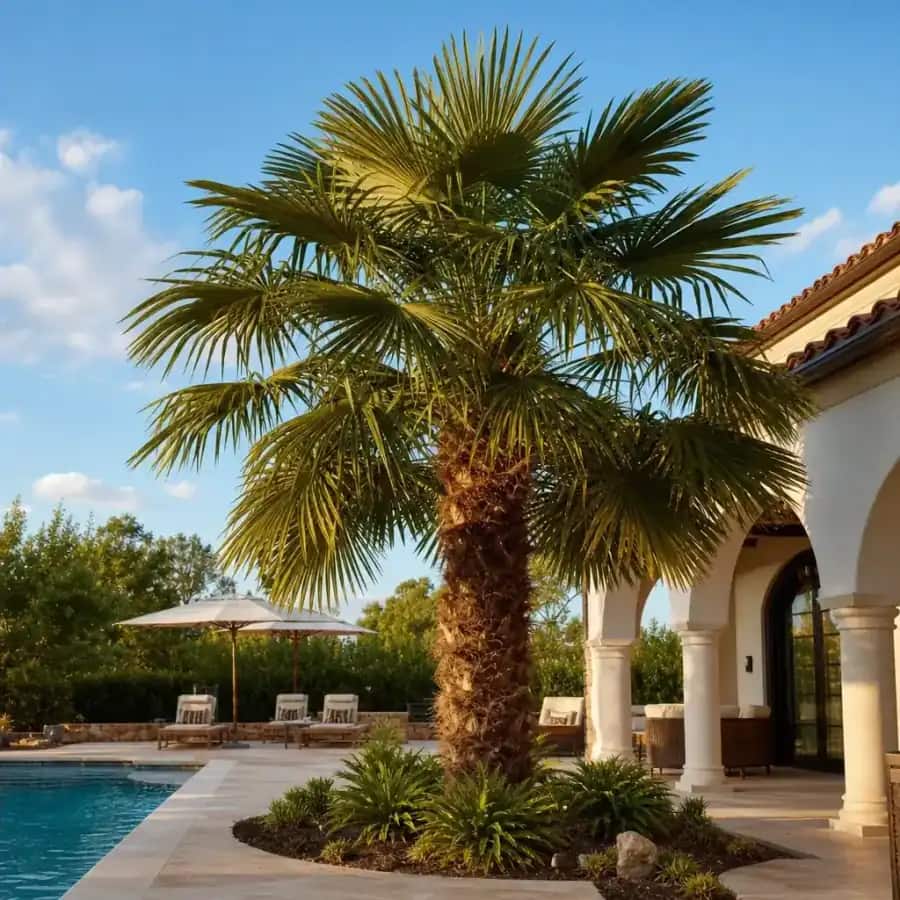
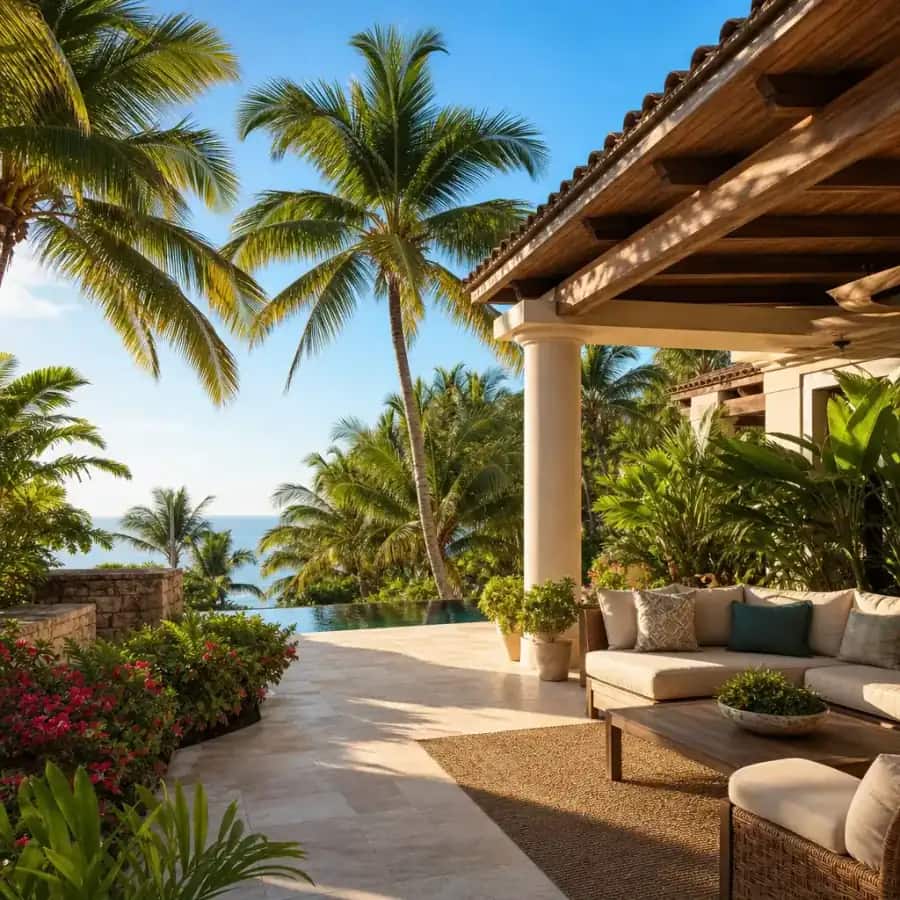 Palms & TropicalsBring a tropical feel with cold-hardy palms that survive Seattle's coldest snaps.View all Palms & Tropicals →
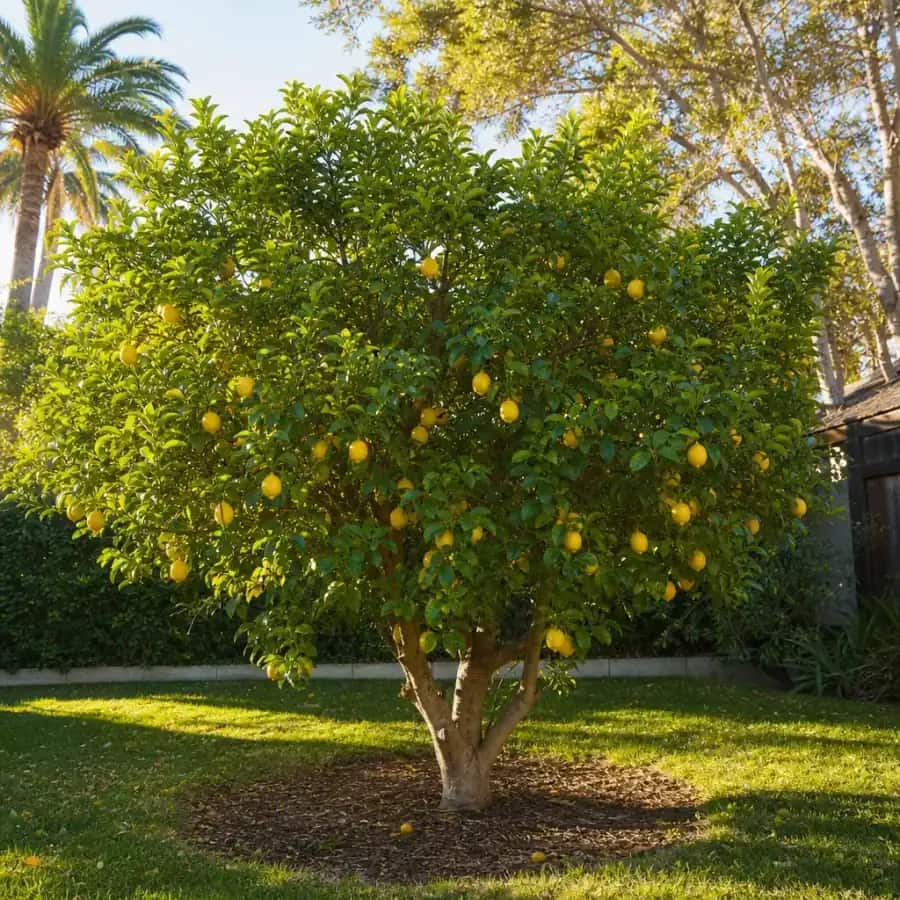
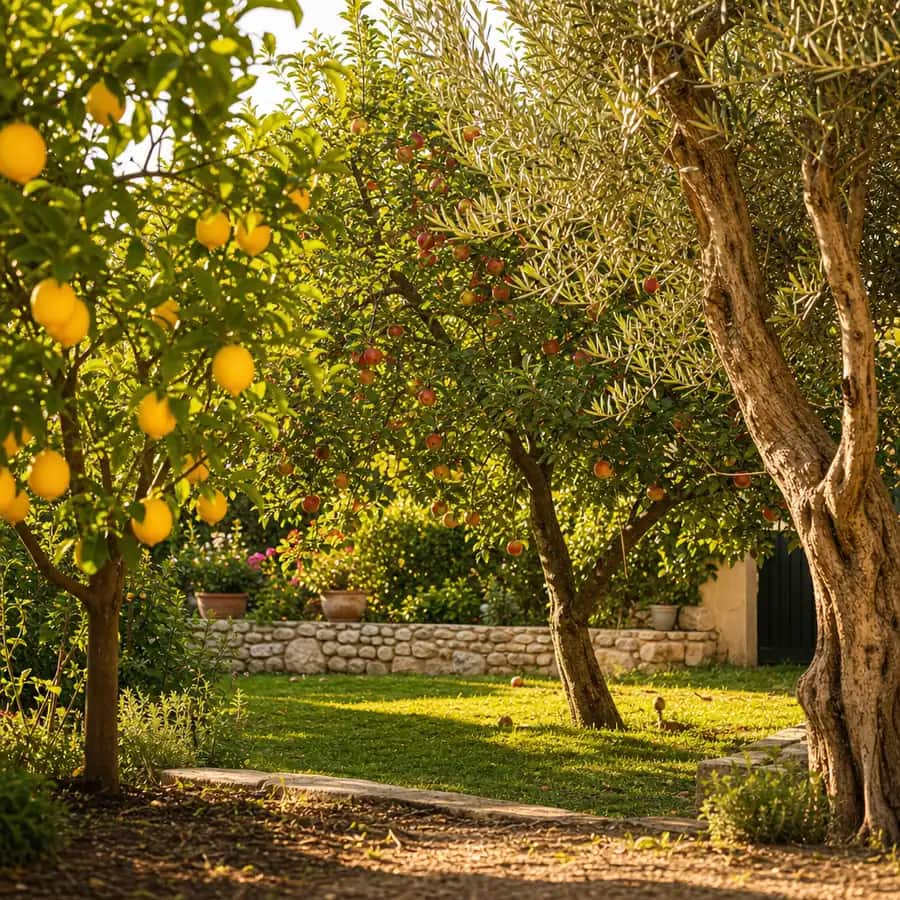 Fruit TreesGrow your own lemons, figs, and other low-chill fruit in zone 9.View all Fruit Trees →
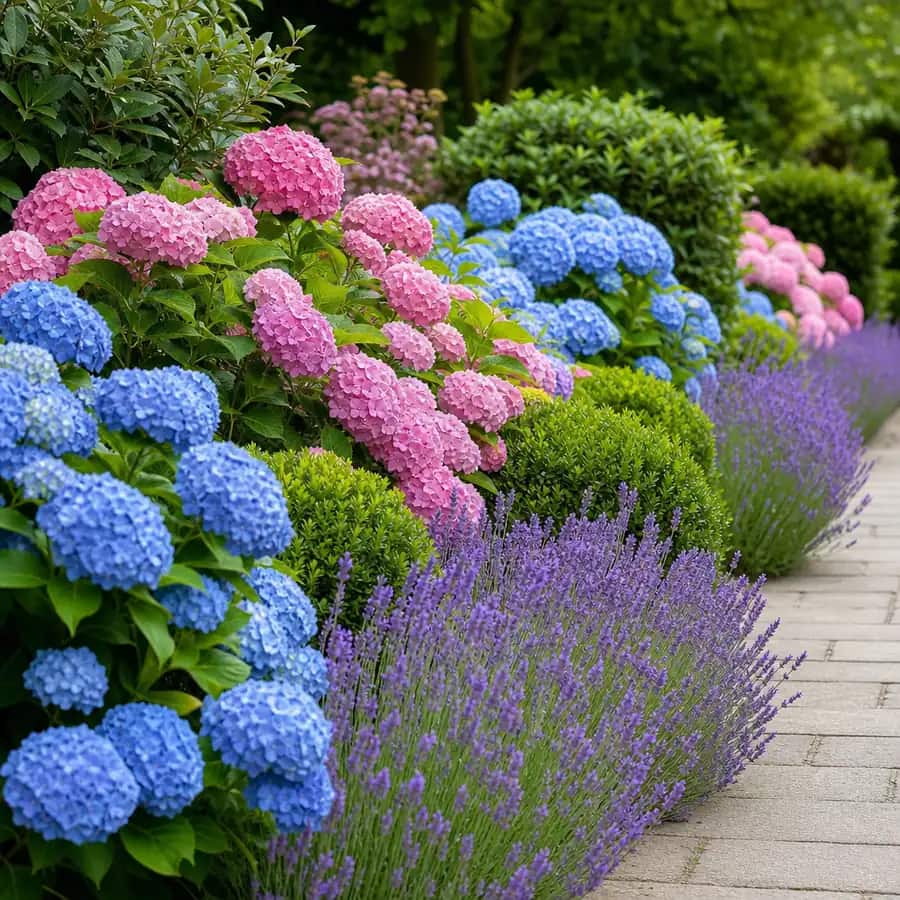 Shrubs & HedgesBuild layered borders with shrubs that handle the region's wet winters and dry summers.View all Shrubs & Hedges →
Local fit, from data
9a
about 20 to 25 F
King County
Washington
USDA hardiness zone 9a shapes what grows well in Seattle, WA 98177. Winter lows here run about 20 to 25 degrees F, which opens the door to many options. Arbor Buddy delivers large, nursery-grown trees by freight to homeowners and contractors. We match every tree to your zone and ship shade, flowering, privacy, fruit, and ornamental picks.
Zone 9a in Seattle means winter lows typically stay between 20 and 25 degrees F. That rules out plants that need deep cold for dormancy but allows a broad selection of heat-loving and mild-climate trees. The local climate includes wet winters and relatively dry summers, so trees that handle both moisture and drought once established do best here.
Shade, flowering, fruit, and tropical categories all perform well in this zone. Palms like Jelly Palm and citrus like Meyer Lemon thrive because the frost season is short and mild. For privacy, evergreens such as Blue Atlas Cedar need no winter protection. The key is matching each tree's hardiness to your specific microclimate.
When you shop trees for zone 9 in Seattle, you get picks that are already proven to survive your area's coldest nights.
In zone 9a, typical winter lows in Seattle range from 20 to 25 degrees F. That means hard freezes are brief and mild enough for many trees that could not survive in colder zones.
Mexican Sycamore is one of the fastest shade trees for this area. It adds several feet of height each year and handles the local climate well. Other quick growers include certain deciduous evergreens and flowering trees like Eastern Redbud.
Mexican Sycamore provides fast, broad shade with its silver-backed leaves. For a smaller space, Eastern Redbud offers dappled shade and spring flowers. Both are hardy in zone 9 and fit typical yard sizes.
Yes, zone 9a supports many fruit trees, including low-chill varieties. The Meyer Lemon Tree produces sweet lemons in the ground or a patio pot. Protect citrus when temperatures threaten frost; otherwise these trees bear well with full sun and consistent moisture.
Browse shade, privacy, flowering, fruit, and accent trees matched to your zone in ZIP 98177. Arbor Buddy ships large, nursery-grown trees with a 1-Year Thrive Guarantee. Order online and start building the yard you want.
In ZIP 54963 in Omro, Wisconsin (WI), winter lows drop to -15 to -10 F in zone 5b. That climate rules out most flowering trees that bloom on old wood because the buds freeze. Flowering color there comes from hardy lilacs and crabapples. For your cart, that means the flowering options available in Seattle are much wider. You can plant Eastern Redbud and Wisteria Tree without winter damage.
Consider ZIP 25665 in Borderland, West Virginia (WV) in zone 7a with lows of 0 to 5 F. That gap changes the local shortlist to privacy trees. Zone 7a slows evergreens like Blue Atlas Cedar, which need milder winters to keep their blue color. In Seattle's zone 9a, that conifer thrives and screens views all year. The practical difference is that your privacy choices here are broader and more reliable.
Finally, ZIP 82635 in Edgerton, Wyoming (WY) sits in zone 5a with winter lows of -20 to -15 F. That zone makes palms and tropicals impossible to grow outdoors. In practice, buyers here lean toward cold-hardy junipers and pines for greenery. By contrast, in Seattle you can grow a Jelly Palm or Meyer Lemon Tree in the ground with minimal frost protection. The contrast means your yard can include a tropical accent that would not survive in Wyoming.
For Seattle buyers, these comparisons show that your zone 9a climate gives you freedom to choose from a much larger palette of trees than cold-zone areas.
Arbor Buddy ships trees by freight to ZIP 98177 and the surrounding Seattle ZIPs 98170, 98174, 98175, 98178, 98181, 98185. Each tree is zone-matched before it leaves the nursery. Trees headed to zone 9 arrive between fall and early spring, matched to mild ground temperatures. The 1-Year Thrive Guarantee means if a tree does not survive its first year, we replace it free.
Before delivery day, check:
Enter your ZIP, shop only what thrives in your zone.
Freight delivery to your address: $149 flat per order, shown at checkout.
Plant it, watch it thrive, covered for one year.
Good to know · Growing guide
Coverage runs a full year from delivery. If something goes wrong, contact the team and they arrange the replacement. No store-credit games, no fine-print maze.