 Zones 4 to 9
Shade Trees
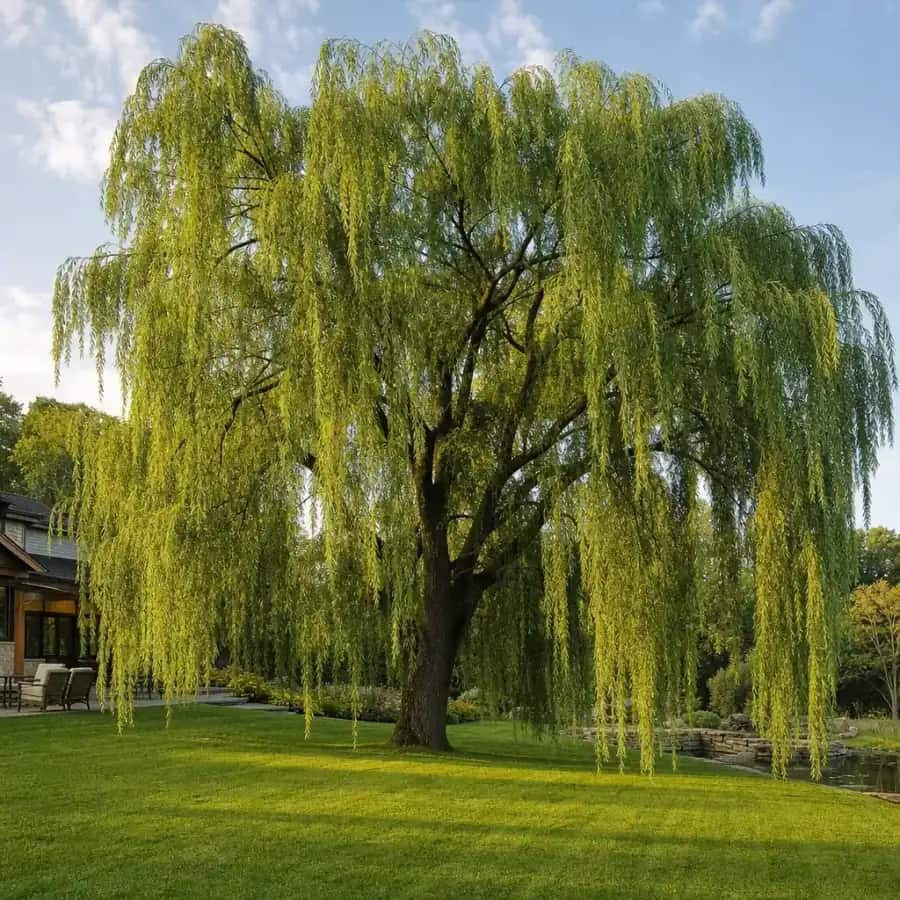
Weeping Willow
$40
Shop large, nursery-grown shade, privacy, flowering and fruit trees, delivered by freight in Seattle. Every tree is matched to your hardiness zone and backed by our 1-Year Thrive Guarantee.
Enter your ZIP and we'll match trees to your exact growing zone.
Typical winter lows in Seattle run about 20 to 25 F.
Matched to Seattle's zone
Zones 4 to 9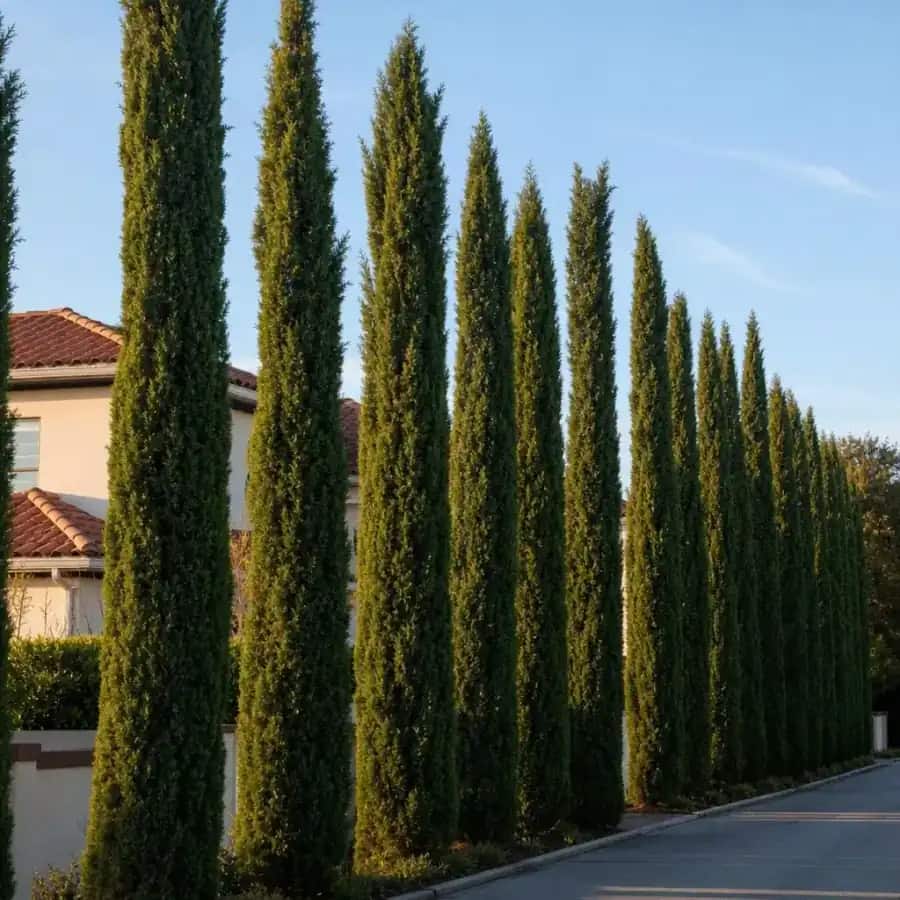 Zones 7 to 11
 Zones 4 to 9
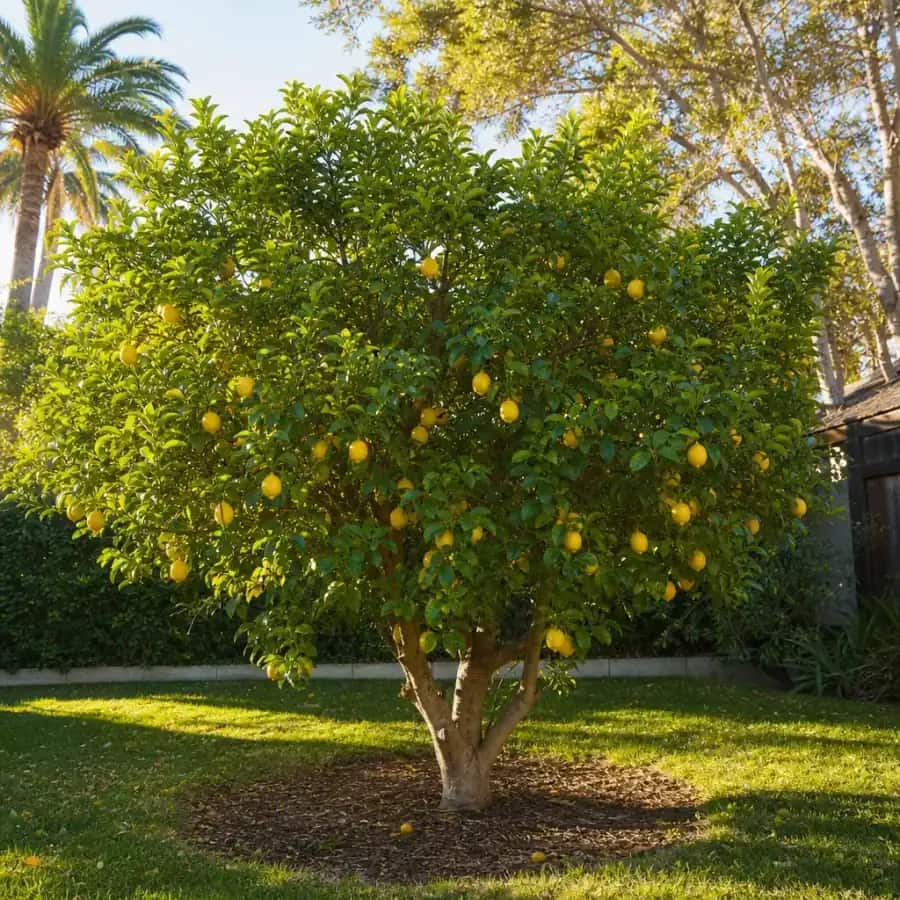 Zones 8 to 11
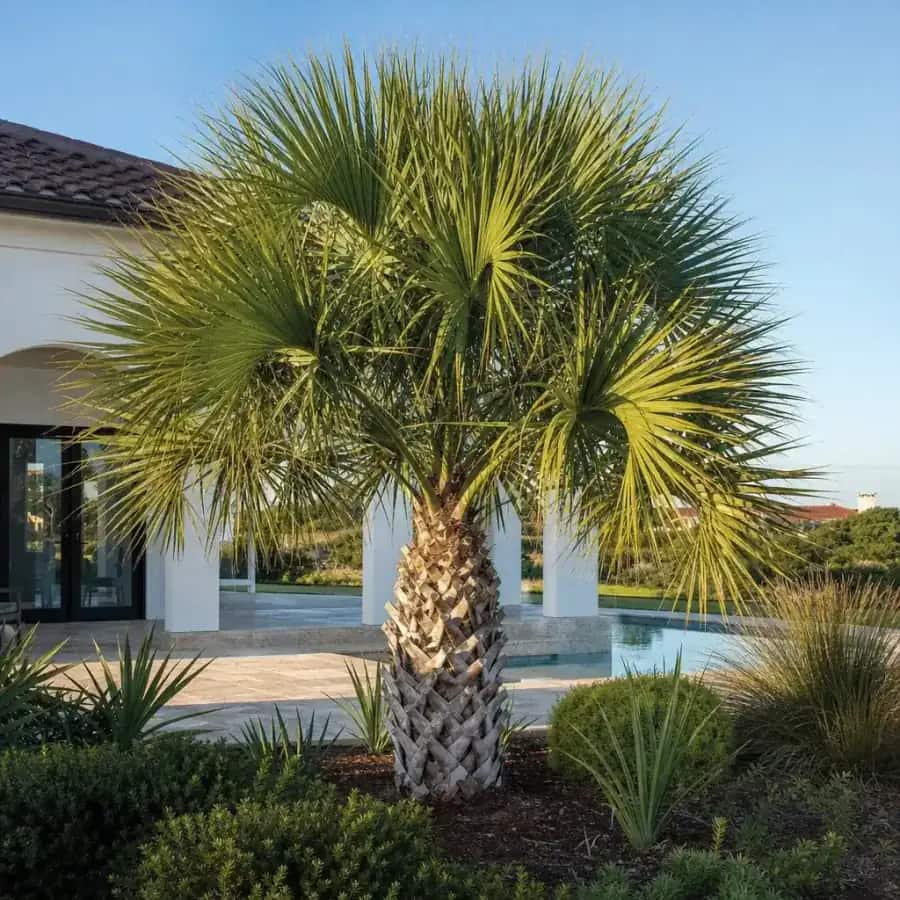 Zones 7 to 11
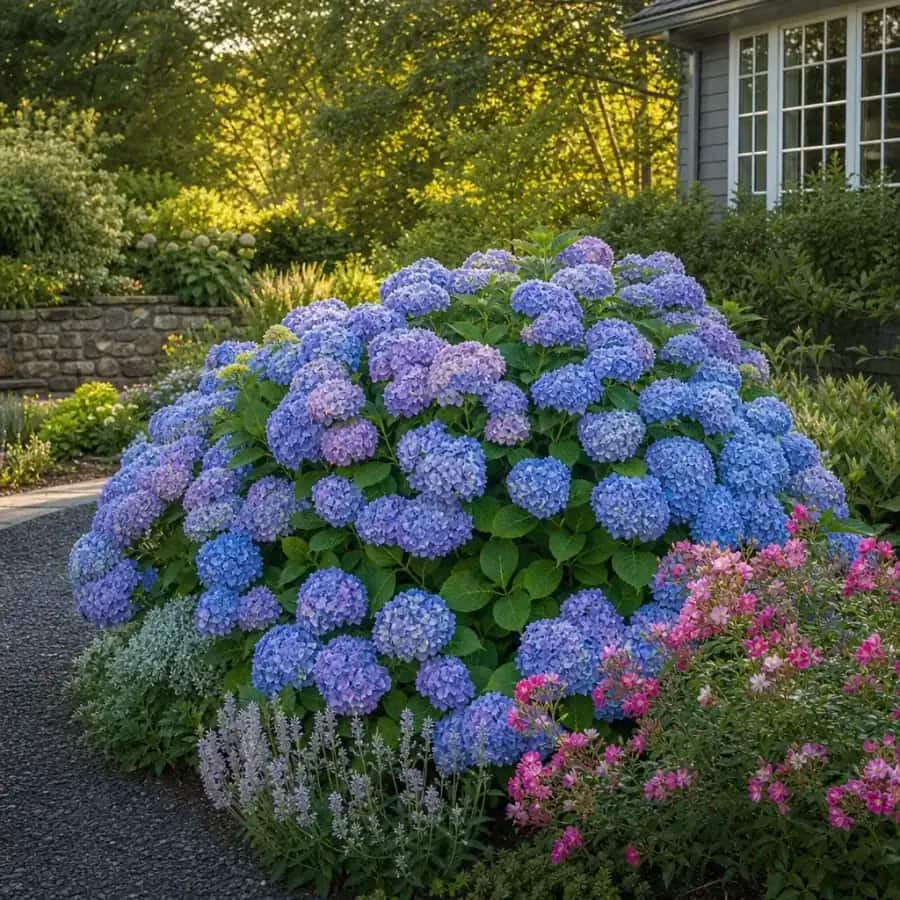 Zones 4 to 9
Shop by category
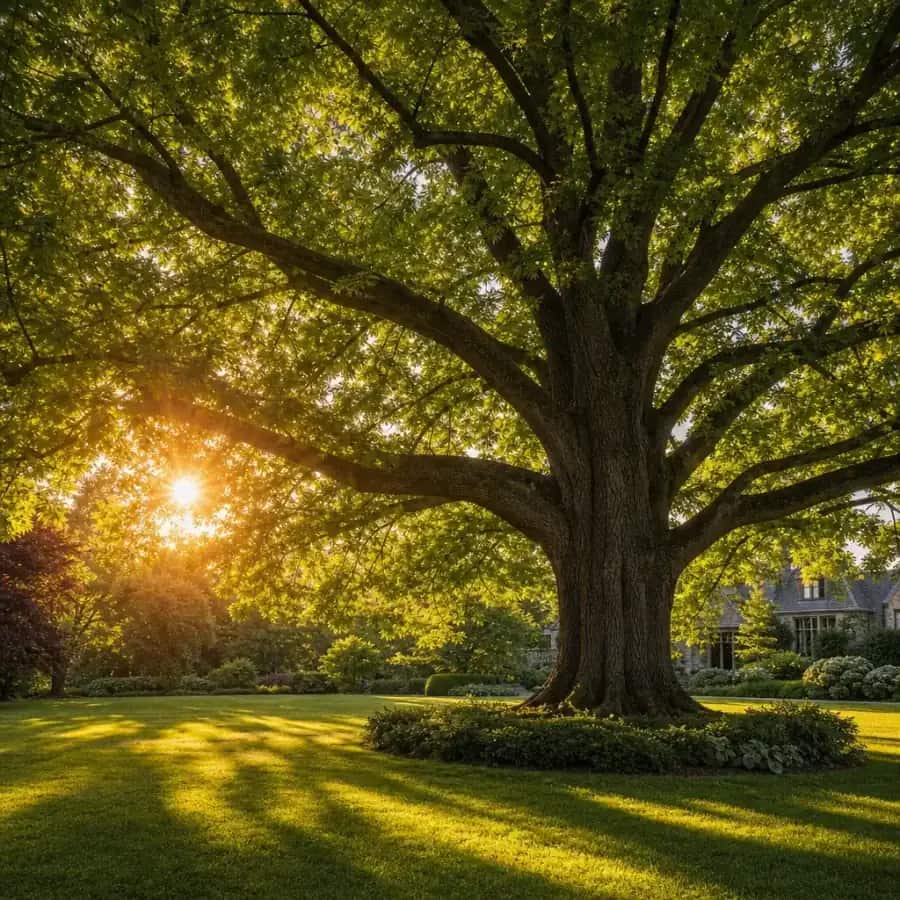 Shade TreesPlant a broad canopy that cools your yard and house during Seattle's mild but sunny summers.View all Shade Trees →
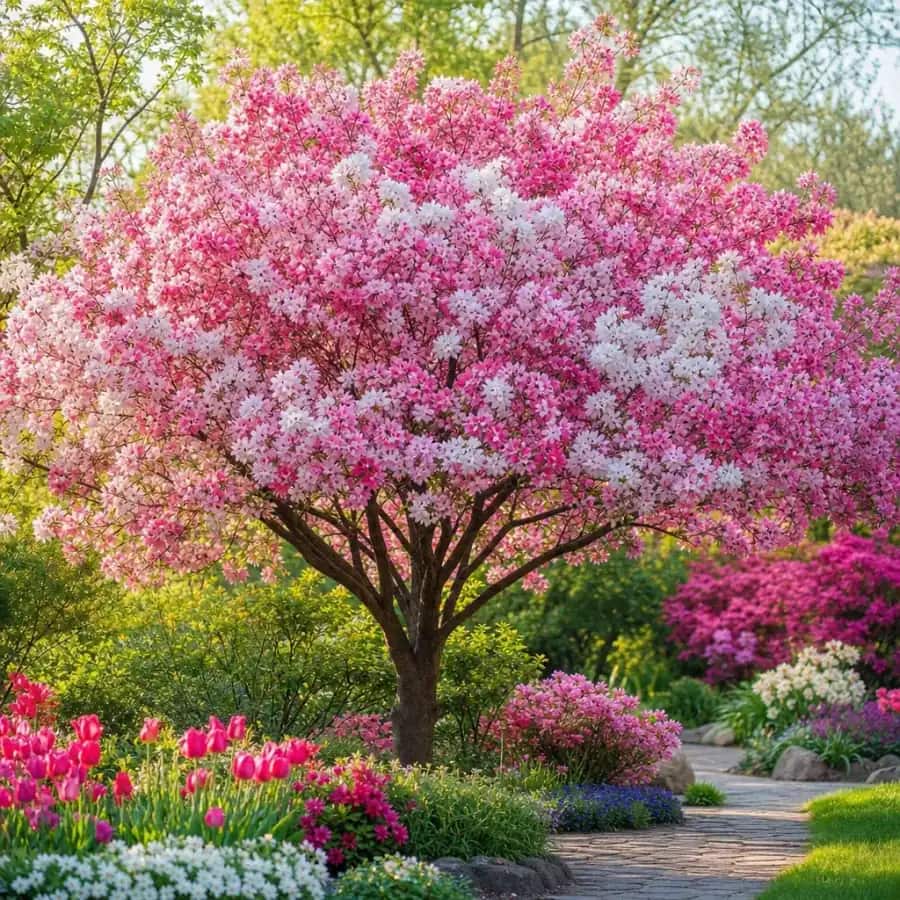 Flowering & OrnamentalAdd seasonal color with spring blossoms that last into fall, matching your zone 9 springs.View all Flowering & Ornamental →
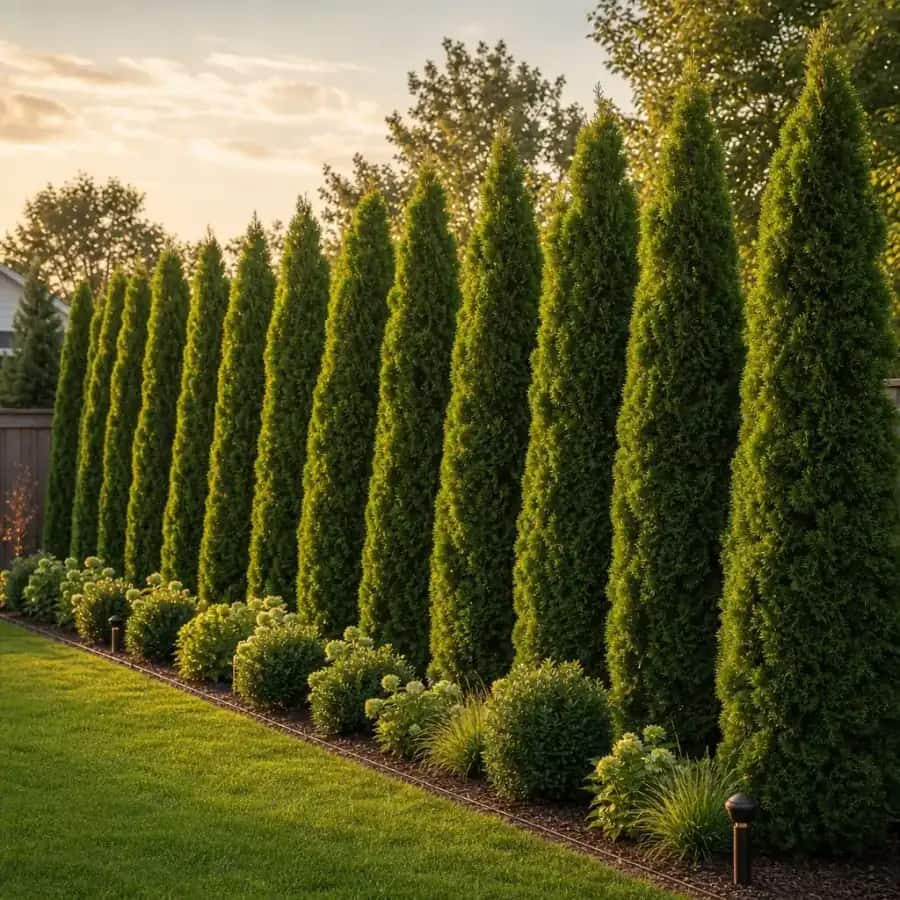 Evergreen & PrivacyCreate a year-round screen with magnolias, hollies, and conifers that handle your winter lows.View all Evergreen & Privacy →
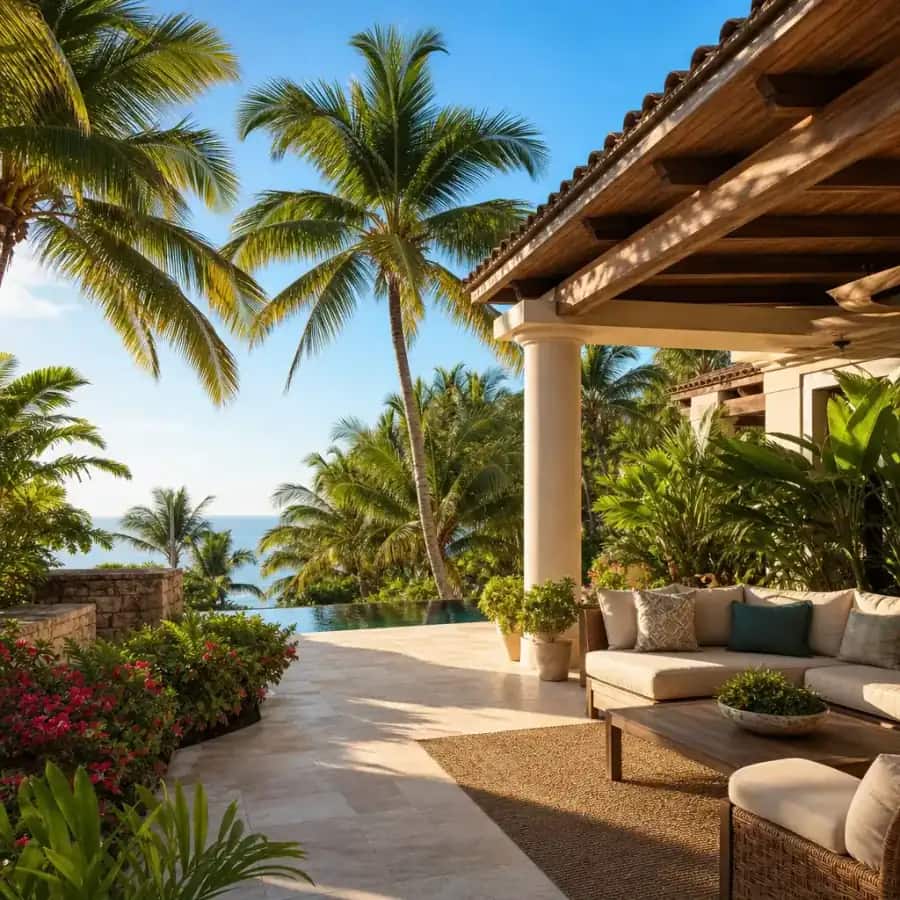 Palms & TropicalsBring a touch of the tropics with cycads and palms that survive zone 9 winters with minimal shelter.View all Palms & Tropicals →
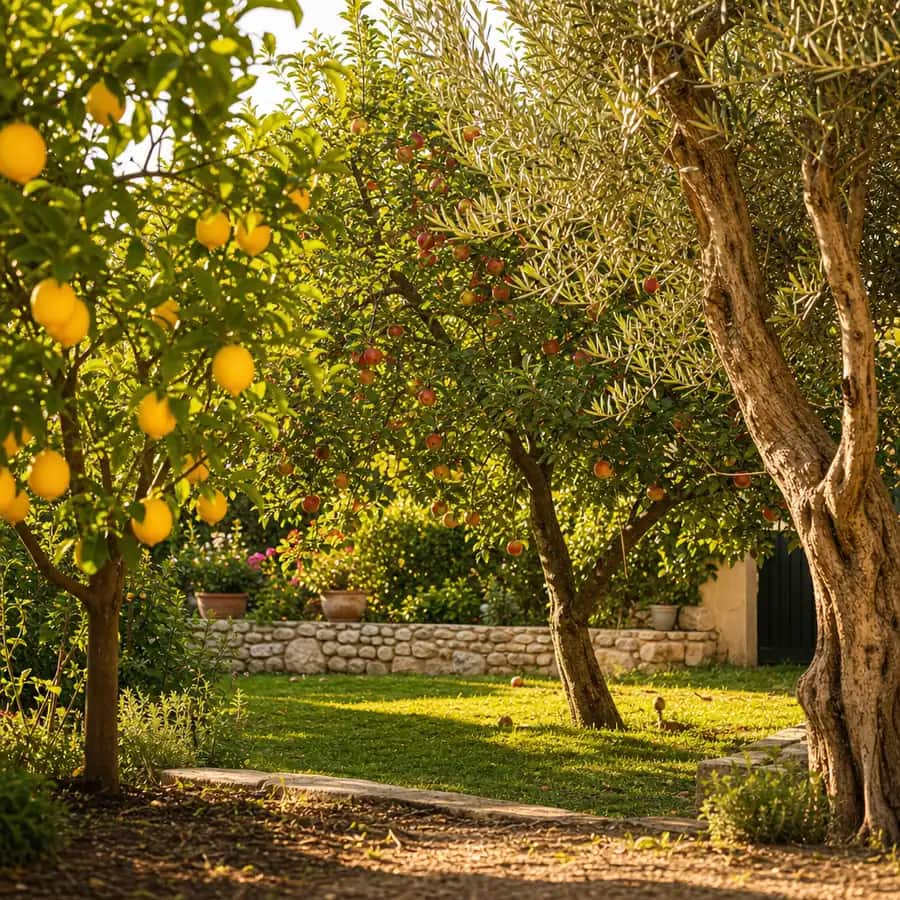 Fruit TreesGrow figs, citrus, and stone fruits that need mild winters and warm summers to ripen well.View all Fruit Trees →
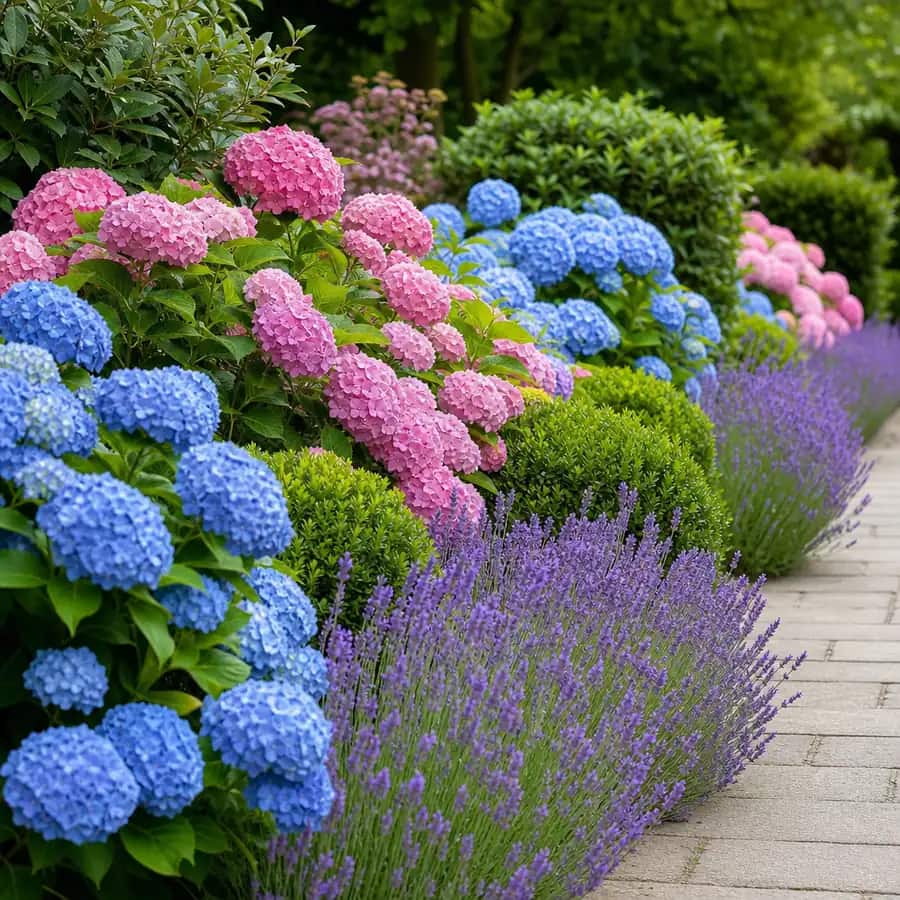 Shrubs & HedgesFill understory gaps with dappled willows and hydrangeas that thrive in the local humidity.View all Shrubs & Hedges →
Local fit, from data
9a
about 20 to 25 F
King County
Washington
Trees delivered to Seattle, WA 98116 from Arbor Buddy match your local hardiness zone. We ship large, nursery-grown trees by freight directly to homeowners and contractors in the area. Your selection includes shade, evergreen, flowering, fruit, and palm categories, all zone-matched before they leave the nursery.
In ZIP 98116 you live in zone 9a, which opens up a broad range of landscape trees. The mild winters and cool summers here allow you to plant species that need gentle climates. Arbor Buddy backs every tree with a 1-Year Thrive Guarantee.
What does not survive in zone 9a? Low-chill fruit trees that need more cold hours than Seattle provides. For example, an Elberta Peach Tree requires about 800 chill hours and struggles to set fruit here. What does thrive? Species that handle mild winters and cool, damp summers without issue.
Your typical winter lows in this part of Seattle run about 20 to 25 degrees F. That rules out tender citrus like the Meyer Lemon Tree, which suffers damage below 20 F. It also favors trees that tolerate occasional frost and damp soil, such as the southern magnolias and crape myrtles featured above. Palms like the Queen Sago Palm need only minimal protection during the coldest snaps.
The local humidity and consistent moisture from rain support trees that resent dry air. Chinese Windmill Palm, while not on this page's featured list, wants some shade and humidity; Seattle's climate suits it well. For most homeowners, the safe bet is to choose species that naturally occur in or near their hardiness zone. Here, trees for zone 9 in Seattle include a mix of southern classics and cool-loving evergreens.
Zone 9a trees that tolerate cool, damp winters and mild summers. Examples include southern magnolias, crape myrtles, and certain palms. Your winter lows of 20 to 25 F allow many broadleaf evergreens to thrive. Avoid low-chill fruit trees that need more cold hours than Seattle provides.
Yes, we deliver by freight to 98116 and the rest of Seattle, including ZIPs 98113, 98114, 98115, 98117, 98118, and 98119. Orders ship during the fall-to-early-spring window to protect the trees during transit. A crew will drop the tree at your property.
Evergreen magnolias like D. D. Blanchard Southern Magnolia or Teddy Bear Southern Magnolia create dense year-round screens. Leyland Cypress also works but can struggle in sustained heat; Seattle's mild summers suit it well. All are zone-matched for 9a.
Yes, but choose cold-hardy types. The Chicago Hardy Fig tree produces sweet fruit in zone 9a. Citrus like Meyer Lemon Tree is not frost hardy and would need protection below 20 F. Stick with figs, apples, or stone fruits that match your winter lows.
For shade, privacy, flowering, fruit, and accent trees matched to your zone in ZIP 98116 of Seattle, Arbor Buddy ships large, nursery-grown trees with a 1-Year Thrive Guarantee.
Browse the trees suited to your area and order online.
Understanding how your climate differs from other regions helps you make smarter choices. Every tree that works here may not suit a buyer in a colder or drier ZIP.
ZIP 19195 in Philadelphia, Pennsylvania (PA) sits in zone 7b with typical winter lows of 5 to 10 F. Philadelphia deals with hotter, more humid summers than Seattle. Heat and humidity tolerance matters more there. Here, the zone usually pushes the choice toward trees that can handle summer warmth without scorch, like the Allee Chinese Elm, which also resists mildew. In Philly, a buyer might lean toward even more heat-tolerant species such as live oak. Locally, that points buyers toward the same elm and the southern magnolia, both fine in Seattle's moderate summer.
ZIP 37722 in Cosby, Tennessee (TN) is also zone 7b with winter lows 5 to 10 F. Cosby gets more rain than Seattle but also suffers occasional summer droughts. Drought tolerance becomes a practical difference. The practical difference is that a tree like the Chicago Hardy Fig, while cold-hardy enough for both zones, needs more consistent moisture in Seattle's damp summers than in Cosby's dry spells. Locally, that points buyers toward the fig only if they can water during extended dry periods. Here, the fig does fine with normal rainfall.
ZIP 84401 in Ogden, Utah (UT) falls in zone 7a with winter lows 0 to 5 F. Ogden has dry, cold winters and hot summers with low humidity. Cold-hardiness is the main concern there. Locally, that points buyers toward the Queen Sago Palm, which is only hardy to zone 9 and would not survive an Ogden winter outdoors. In Seattle, the sago thrives as a tropical accent. The takeaway: your zone 9a lets you grow plants that would die in colder climates, so you can enjoy a wider palette of species.
What does this mean for your cart? You can safely order southern magnolias, crape myrtles, figs, and palms that would be risky or impossible in many other U.S. cities. Your mild winters give you an advantage.
Arbor Buddy ships trees by freight directly to your address in ZIP 98116. Delivery also covers the city's other ZIPs: 98113, 98114, 98115, 98117, 98118, and 98119. Because zone 9 orders travel in the fall-to-early-spring stretch, not peak summer, you can schedule delivery when temperatures are mild.
Each tree is nursery-grown at a usable landscape size and zone-matched before it leaves our facility. If your tree does not survive its first year, we replace it free of charge under the 1-Year Thrive Guarantee.
Before delivery day, check:
Enter your ZIP, shop only what thrives in your zone.
Freight delivery to your address: $149 flat per order, shown at checkout.
Plant it, watch it thrive, covered for one year.
Good to know · Growing guide
Coverage runs a full year from delivery. If something goes wrong, contact the team and they arrange the replacement. No store-credit games, no fine-print maze.