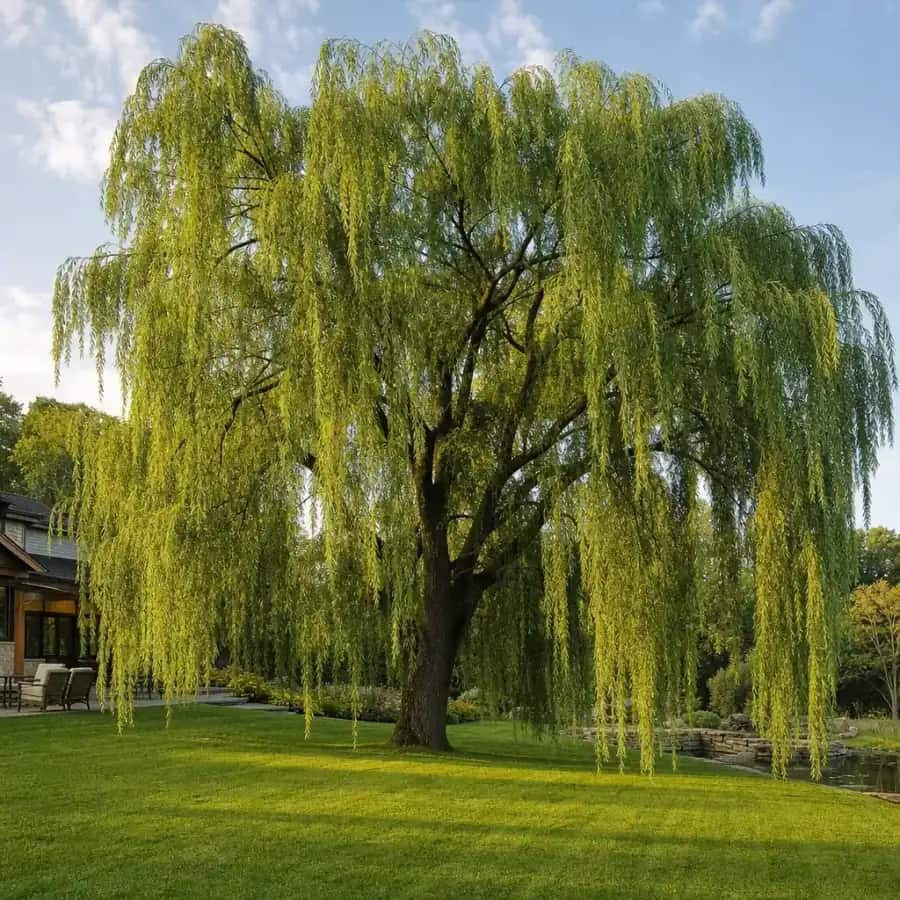
 Zones 4 to 9
Shade Trees
Weeping Willow
$40
Shop large, nursery-grown shade, privacy, flowering and fruit trees, delivered by freight in Seattle. Every tree is matched to your hardiness zone and backed by our 1-Year Thrive Guarantee.
Enter your ZIP and we'll match trees to your exact growing zone.
Typical winter lows in Seattle run about 20 to 25 F.
Matched to Seattle's zone
Zones 4 to 9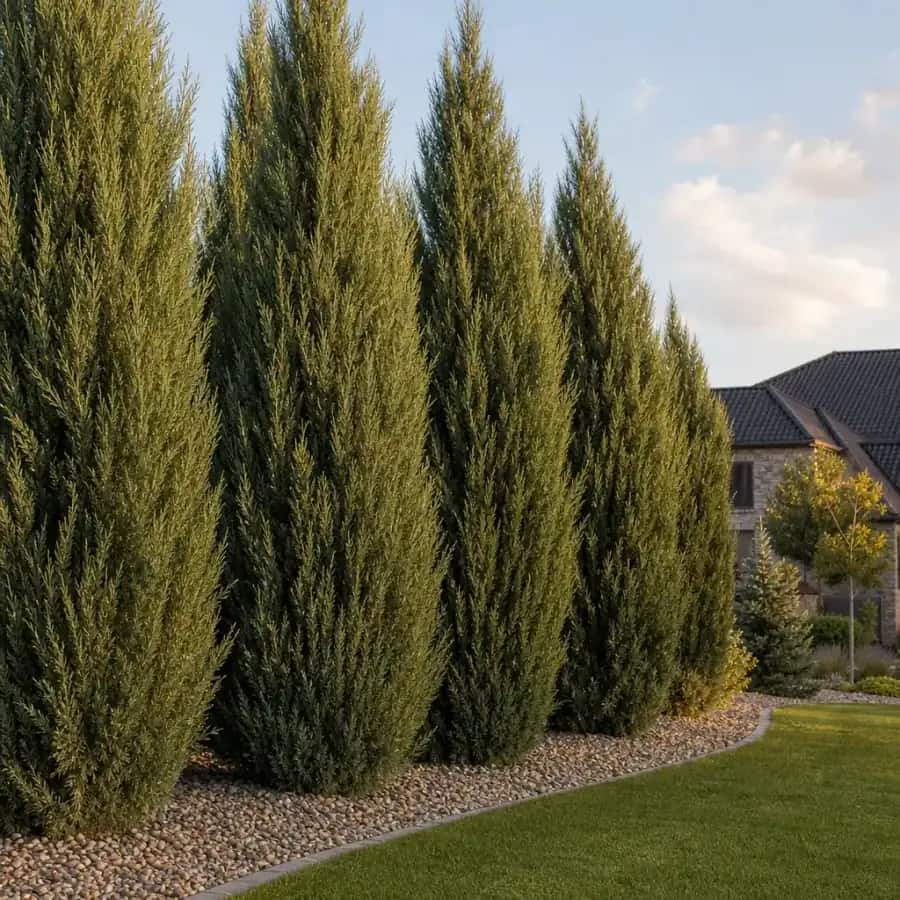 Zones 4 to 9
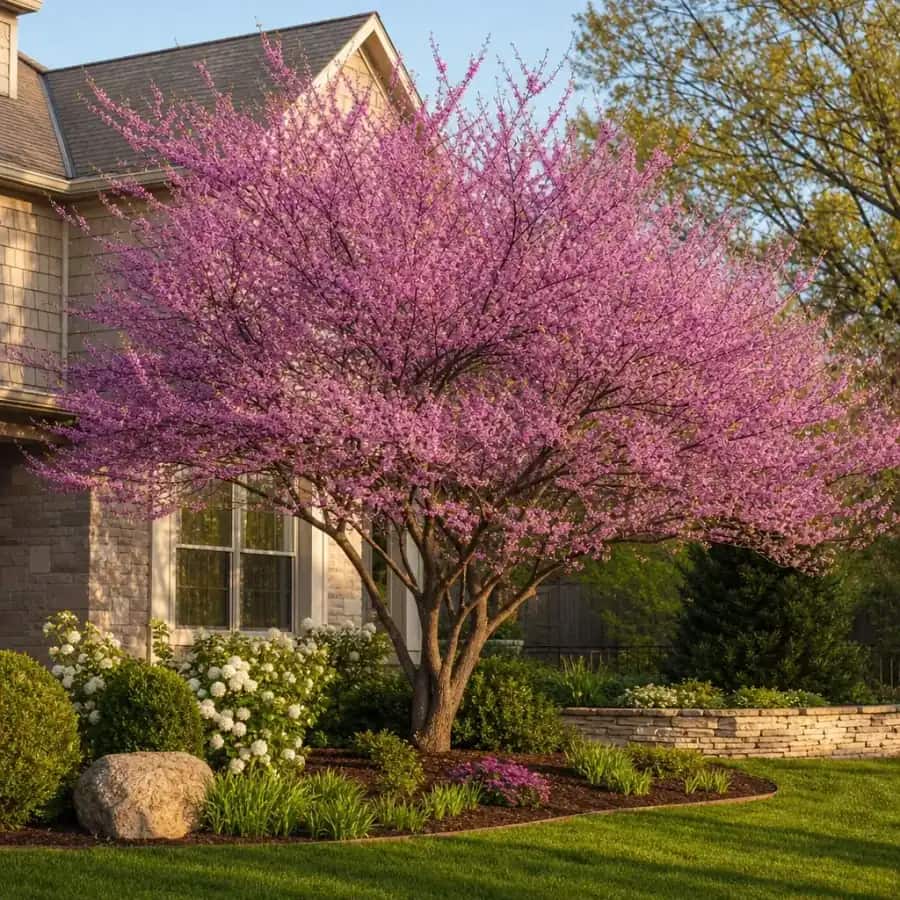 Zones 4 to 9
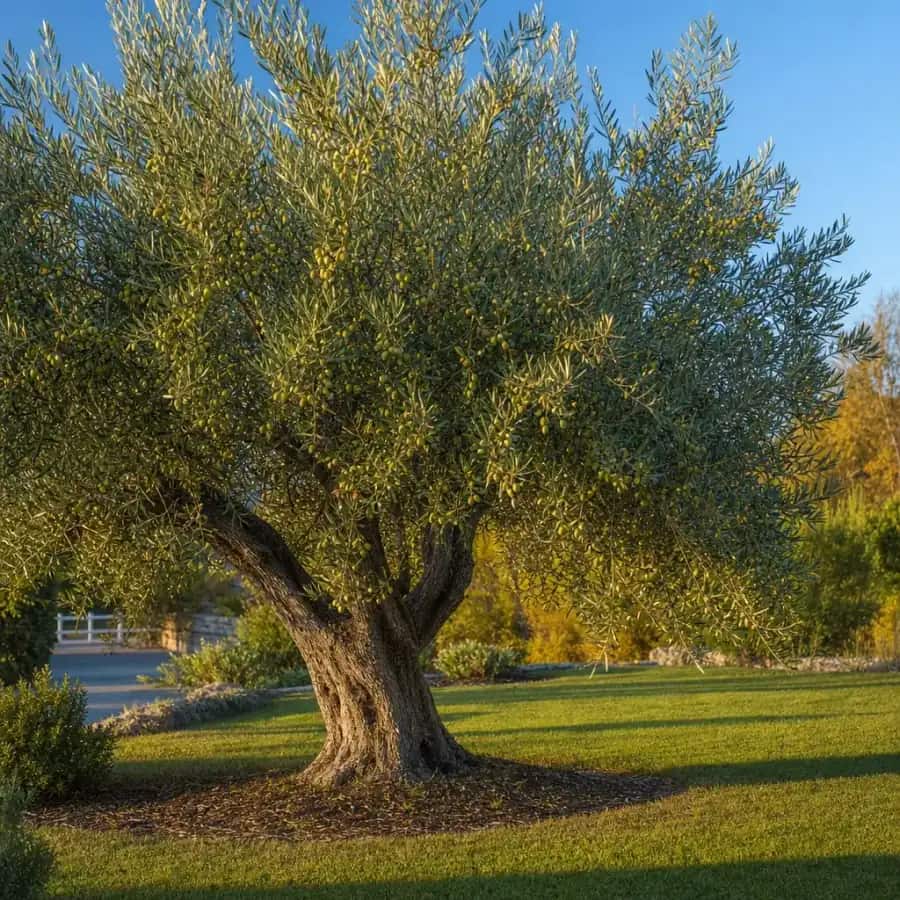 Zones 8 to 11
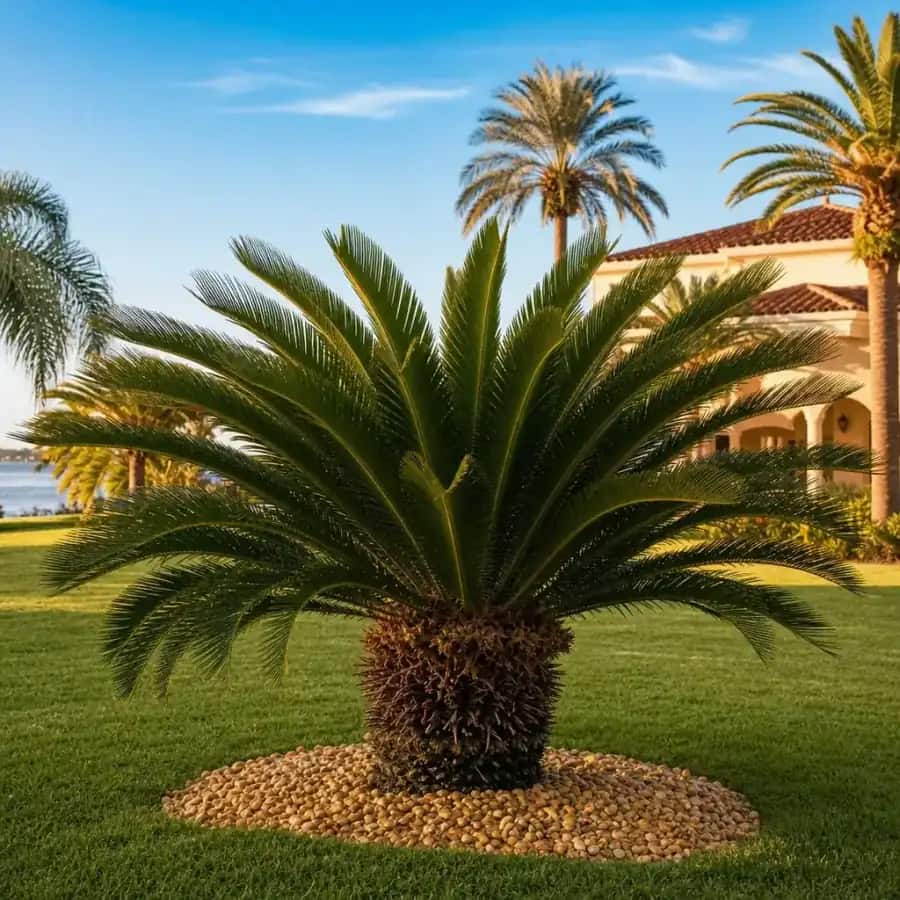 Zones 8 to 11
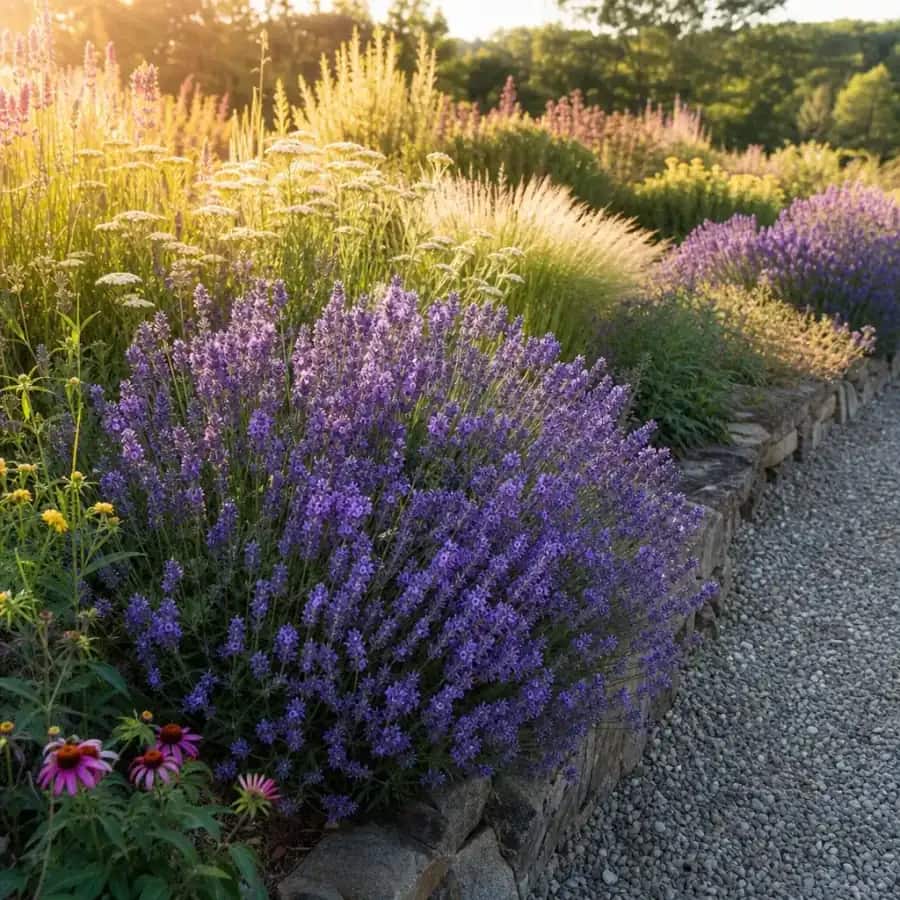 Zones 5 to 9
Shop by category
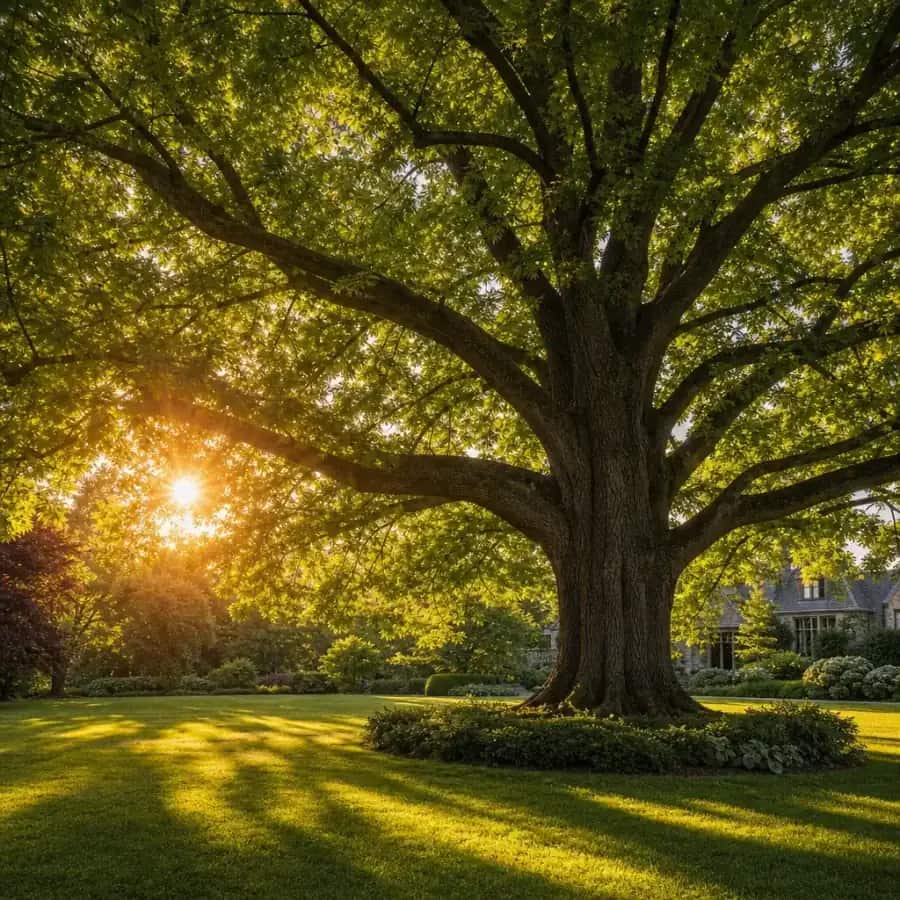 Shade TreesBlock summer sun with American Sycamore or Mexican White Oak, both hardy in zone 9a.View all Shade Trees →
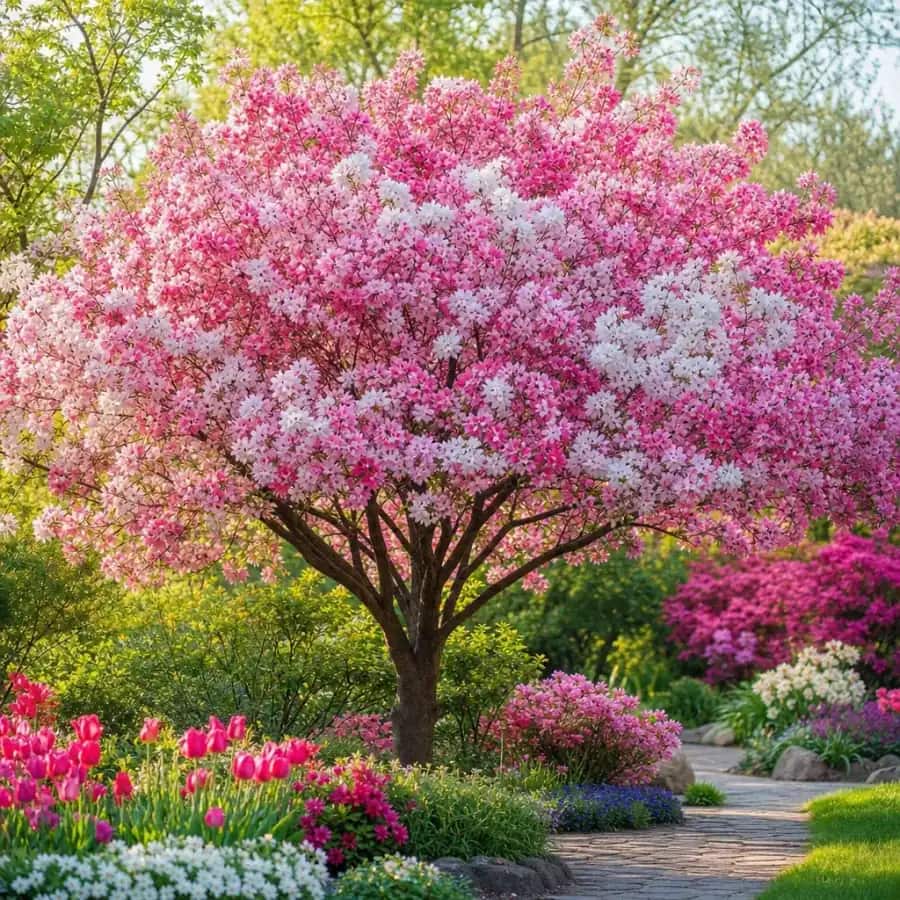 Flowering & OrnamentalAdd spring color with Royal White Eastern Redbud or Thunderstruck Lavender Skies Crape Myrtle.View all Flowering & Ornamental →
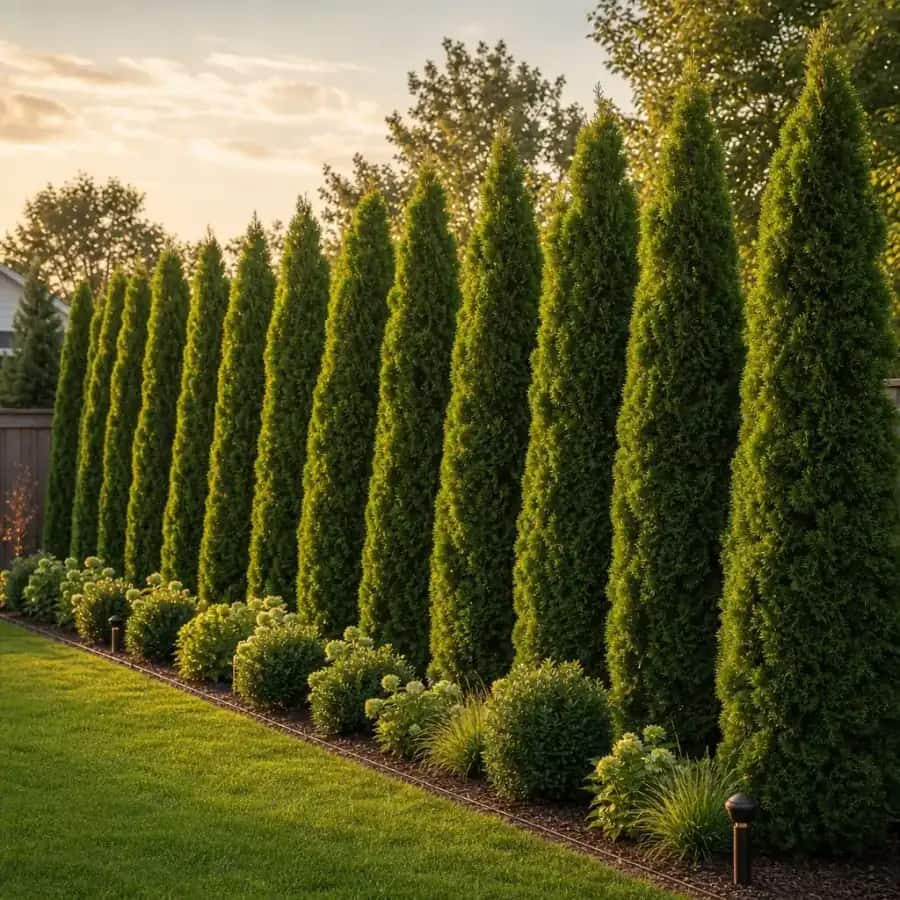 Evergreen & PrivacyScreen your yard with Nellie R. Stevens Holly or Little Gem Southern Magnolia.View all Evergreen & Privacy →
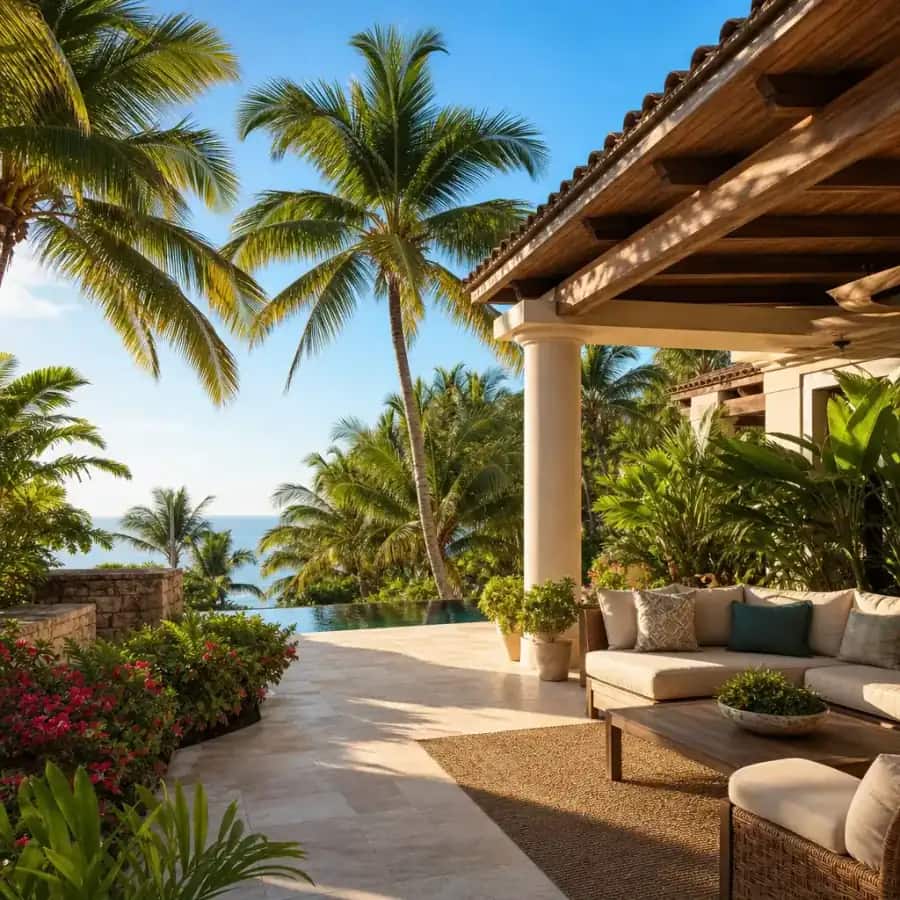 Palms & TropicalsBring a subtropical feel with Dwarf Palmetto Palm or Jelly Palm; protect in hard frosts.View all Palms & Tropicals →
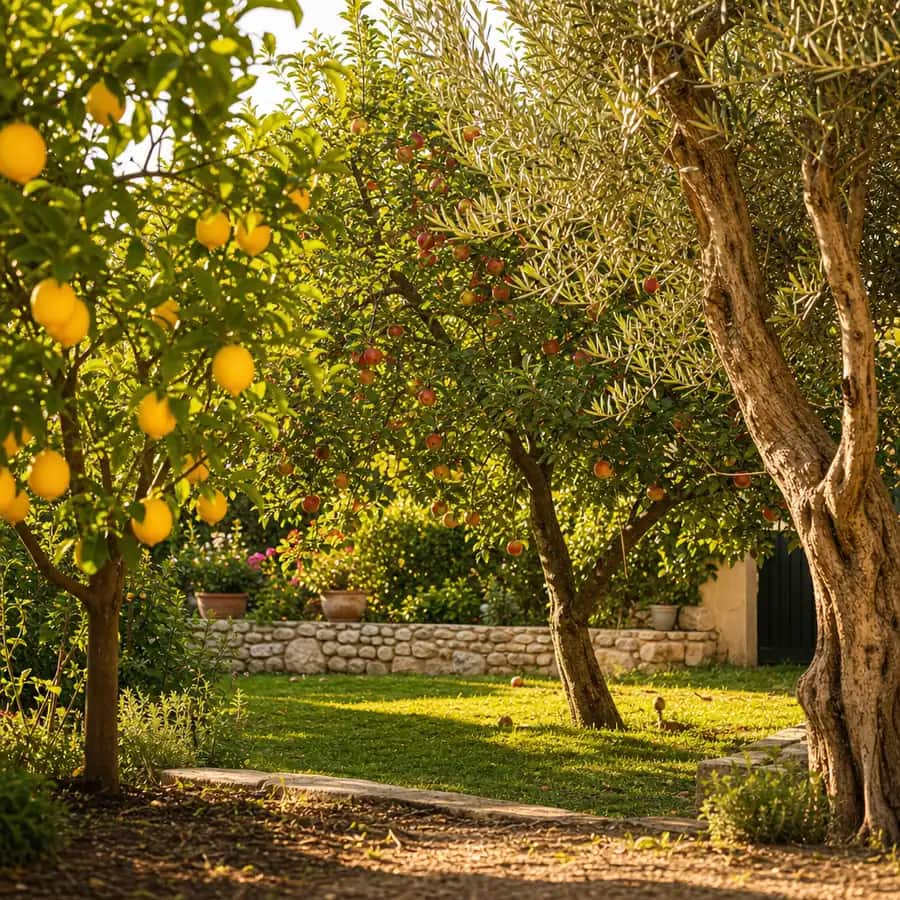 Fruit TreesHarvest your own with Chicago Hardy Fig or Elberta Peach (needs chill hours), check zone 9a suitability.View all Fruit Trees →
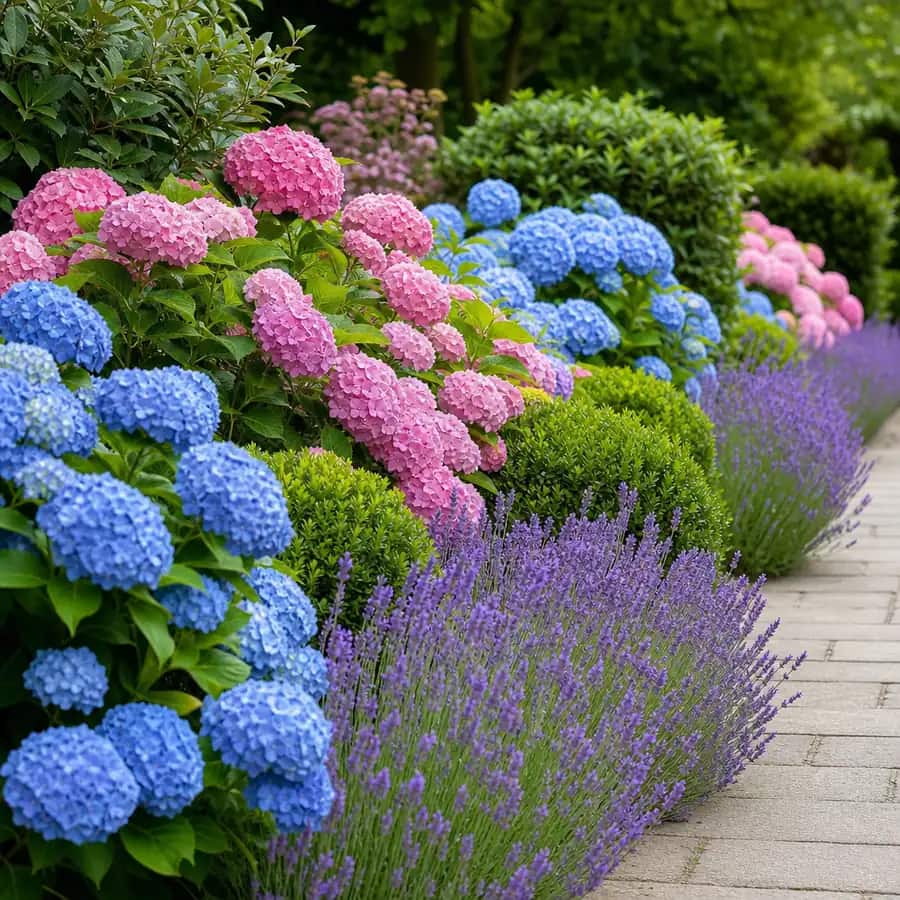 Shrubs & HedgesFill borders with Nellie Stevens Holly or Tri-Color Dappled Willow for year-round interest.View all Shrubs & Hedges →
Local fit, from data
9a
about 20 to 25 F
King County
Washington
Need privacy in your Seattle yard? Trees delivered to Seattle, WA 98131 can block the view fast. Arbor Buddy ships large, nursery-grown trees by freight. Homeowners and contractors in ZIP 98131 choose from shade, flowering, fruit, and evergreen categories. Every tree is matched to your zone 9a to survive and thrive.
Whether you need a hedge line or a single specimen, the right tree arrives ready to plant. Browse the options below.
Seattle's ZIP 98131 sits in USDA hardiness zone 9a. Winter lows typically run 20 to 25 degrees F. That means most cold-hardy trees thrive here, but you need to rule out species that can't handle a light freeze.
The mild climate suits shade trees like Allee Chinese Elm and flowering trees like Eastern Redbud. Palms and tropicals, such as Sago Palm, can grow with occasional frost protection. Fruit trees like Cold Hardy Avocado need a sheltered spot.
When you pick trees for zone 9 in Seattle, you get a long growing season. The biggest risk is a rare arctic blast, but your tree's first year is covered by our guarantee.
Seattle is in USDA zone 9a. Winter lows usually stay above 20 degrees F, rarely dipping lower than that. A hard freeze is uncommon but possible.
Fast growers for zone 9a include the Allee Chinese Elm and the Eastern Redbud. The elm adds height quickly; the redbud fills in with blooms. Both reach a usable landscape size within a few years.
Yes, you can grow fruit trees like the Cold Hardy Avocado and Chicago Hardy Fig. Citrus like Meyer Lemon is not frost-hardy, it needs protection below 20 F. Stick with zone-matched fruits for best results.
Good screening options include the Brodie Eastern Red Cedar and Nellie Stevens Holly. Both stay evergreen and grow tall in narrow spaces. For a flowering screen, consider the Mexican Plum.
Arbor Buddy matches every tree to your zone 9a yard in ZIP 98131. Shade, privacy, flowering, fruit, or accent, your tree ships by freight and arrives ready to plant. The 1-Year Thrive Guarantee covers its first year. Browse your options and order online.
ZIP 98131 in Seattle is zone 9a, but not every place has the same climate. Here's how three other areas differ and what that means for your choices.
ZIP 84107 in Salt Lake City, Utah (UT) sits in zone 7b with winter lows of 5 to 10 F. That cold rules out palms and tropicals that Seattle can grow. In practice, buyers here lean toward cold-hardy evergreens and deciduous shade trees. The Utah zone forces a shorter species list.
ZIP 38389 in Yorkville, Tennessee (TN) is also zone 7b with lows of 5 to 10 F. That area can handle many flowering trees, but fruit trees like cold-hardy avocado struggle. For your cart, that means Seattle's milder lows let you grow citrus-like options and more tropicals. You get wider fruit choices.
ZIP 18459 in South Canaan, Pennsylvania (PA) is zone 6a with lows of -10 to -5 F. That harsh climate knocks out most flowering ornamentals that bloom on old wood. That gap changes the local shortlist to only the toughest species. Seattle's zone 9a keeps the color coming with Eastern Redbud and Mexican Plum.
What it means for your cart: Seattle's warm winters let you grow a broader mix of trees, from subtropical accents to early-blooming ornamentals, than cooler regions can.
Arbor Buddy delivers large, nursery-grown trees by freight to ZIP 98131. Our trucks also serve the other Seattle ZIPs: 98126, 98127, 98129, 98133, 98134, 98136. A freight driver will call ahead to arrange a delivery window.
Your zone 9 order ships for a fall or early-spring window, ahead of summer heat. That timing gives new trees the best start. Every tree is zone-matched before it ships. The 1-Year Thrive Guarantee means a free replacement if your tree doesn't survive its first year.
Before delivery day, check:
Enter your ZIP, shop only what thrives in your zone.
Freight delivery to your address: $149 flat per order, shown at checkout.
Plant it, watch it thrive, covered for one year.
Good to know · Growing guide
Coverage runs a full year from delivery. If something goes wrong, contact the team and they arrange the replacement. No store-credit games, no fine-print maze.