 Zones 4 to 9
Shade Trees
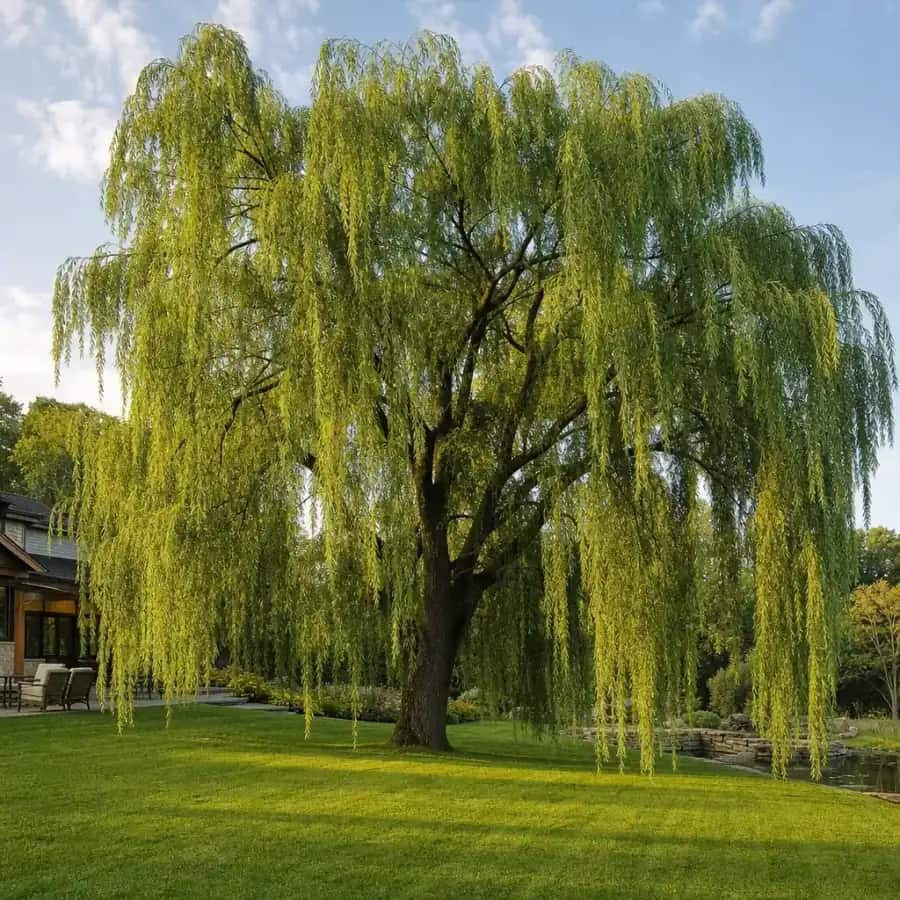
Weeping Willow
$40
Shop large, nursery-grown shade, privacy, flowering and fruit trees, delivered by freight in King County. Every tree is matched to your hardiness zone and backed by our 1-Year Thrive Guarantee.
Enter your ZIP and we'll match trees to your exact growing zone.
Typical winter lows in King County run about 15 to 25 F.
Matched to King County's zones
Shop by category
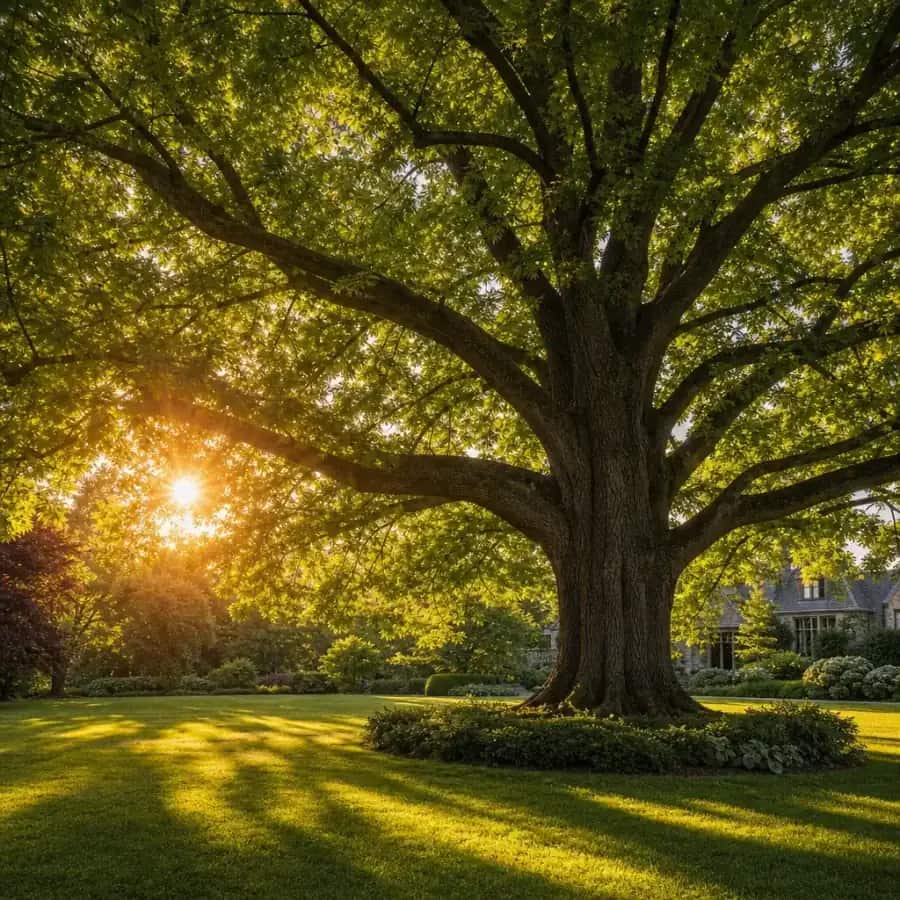 Shade TreesLarge canopies that cool patios and homes during warm summers.View all Shade Trees →
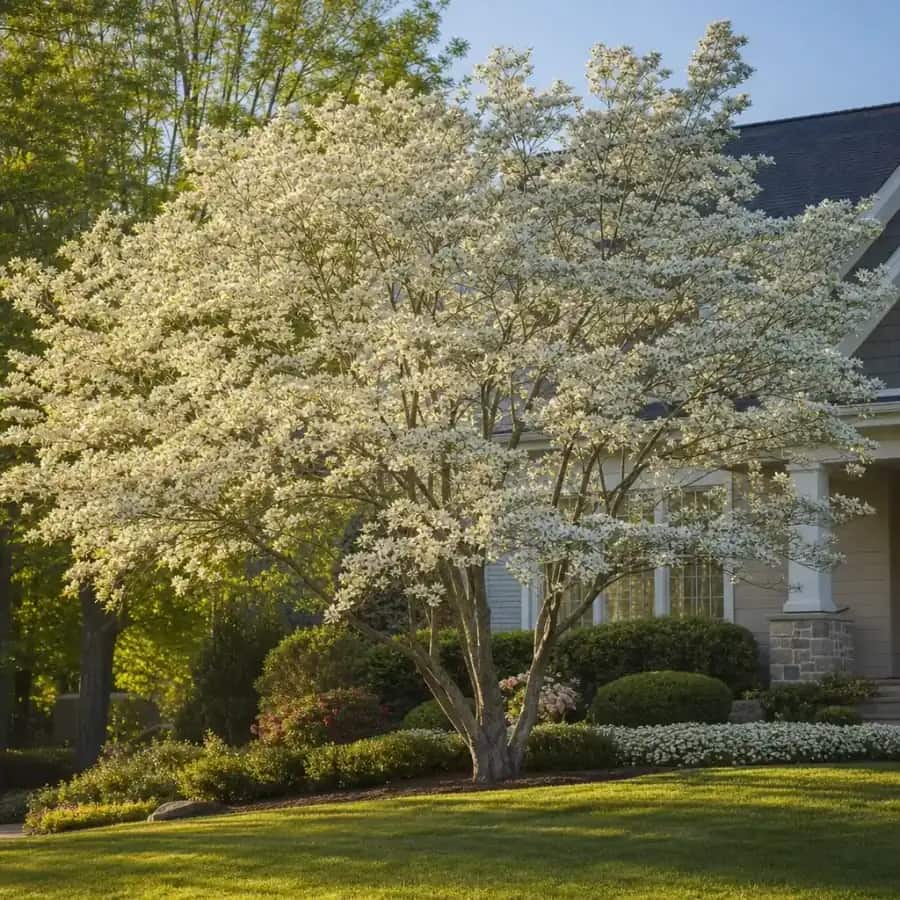
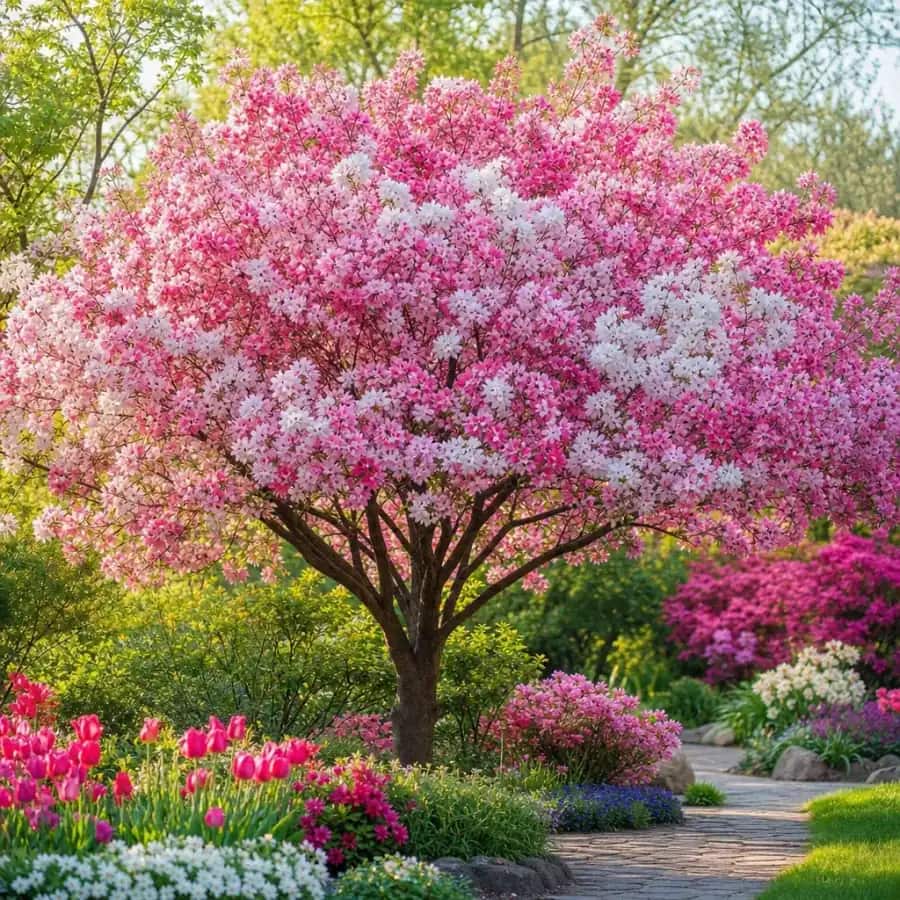 Flowering & OrnamentalBlooms that extend curb appeal from early spring into fall.View all Flowering & Ornamental →
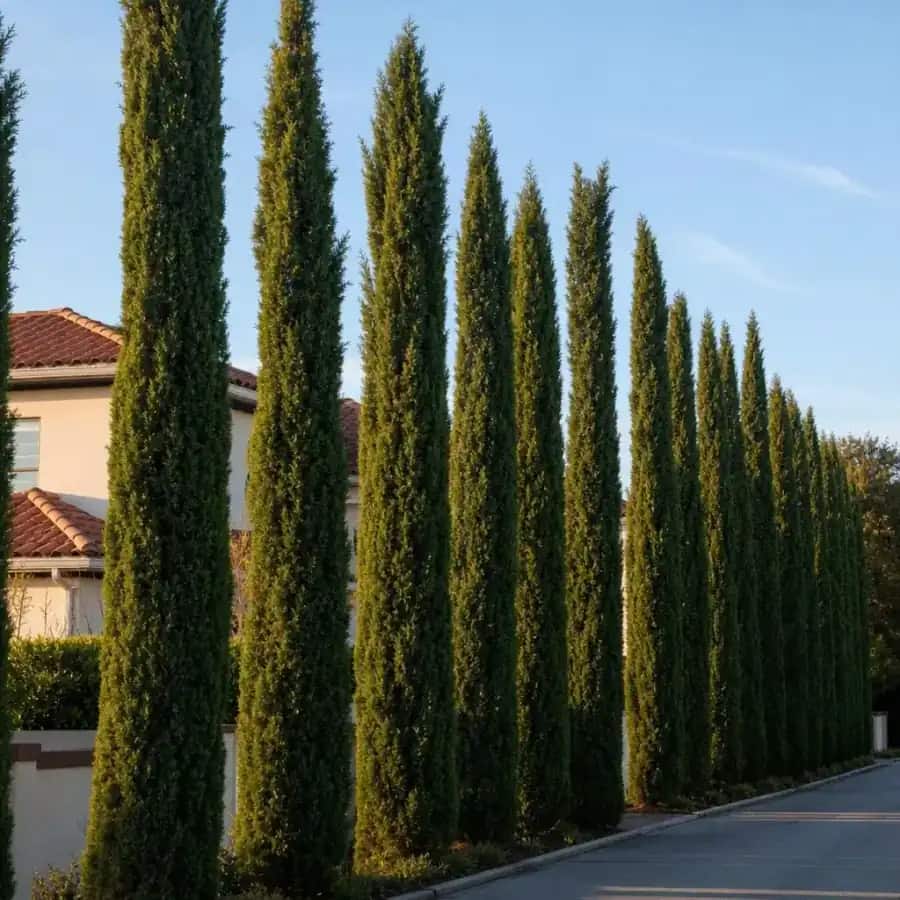
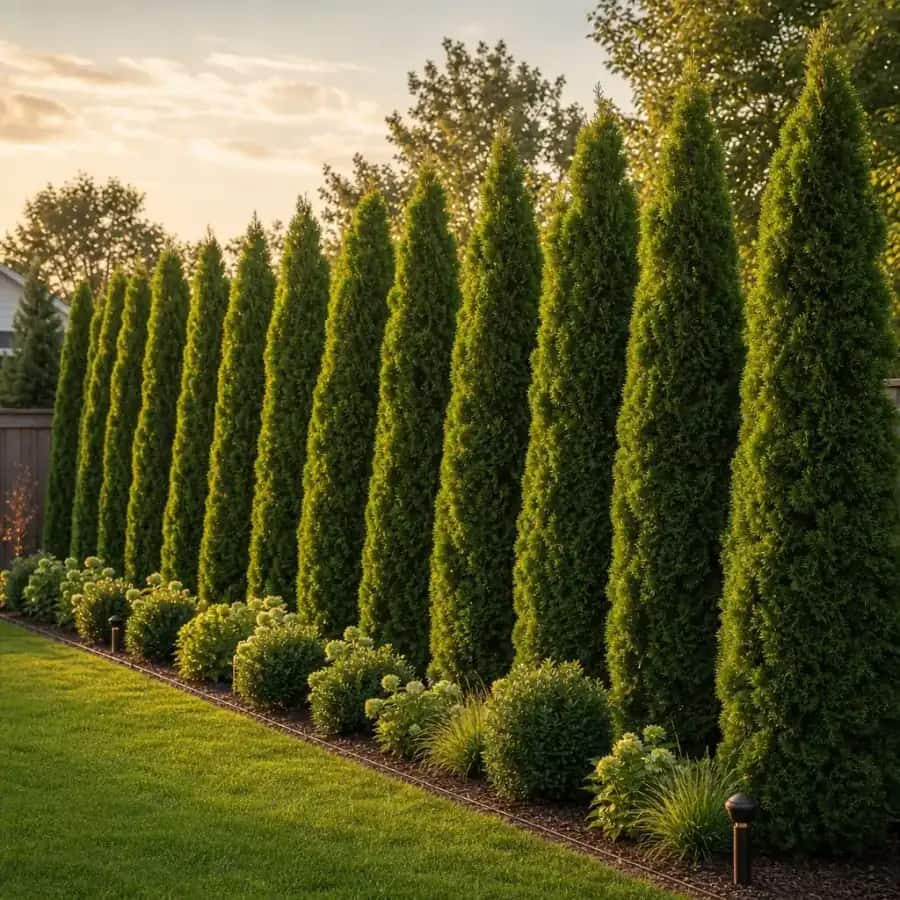 Evergreen & PrivacyYear-round screening that blocks wind and neighbors.View all Evergreen & Privacy →
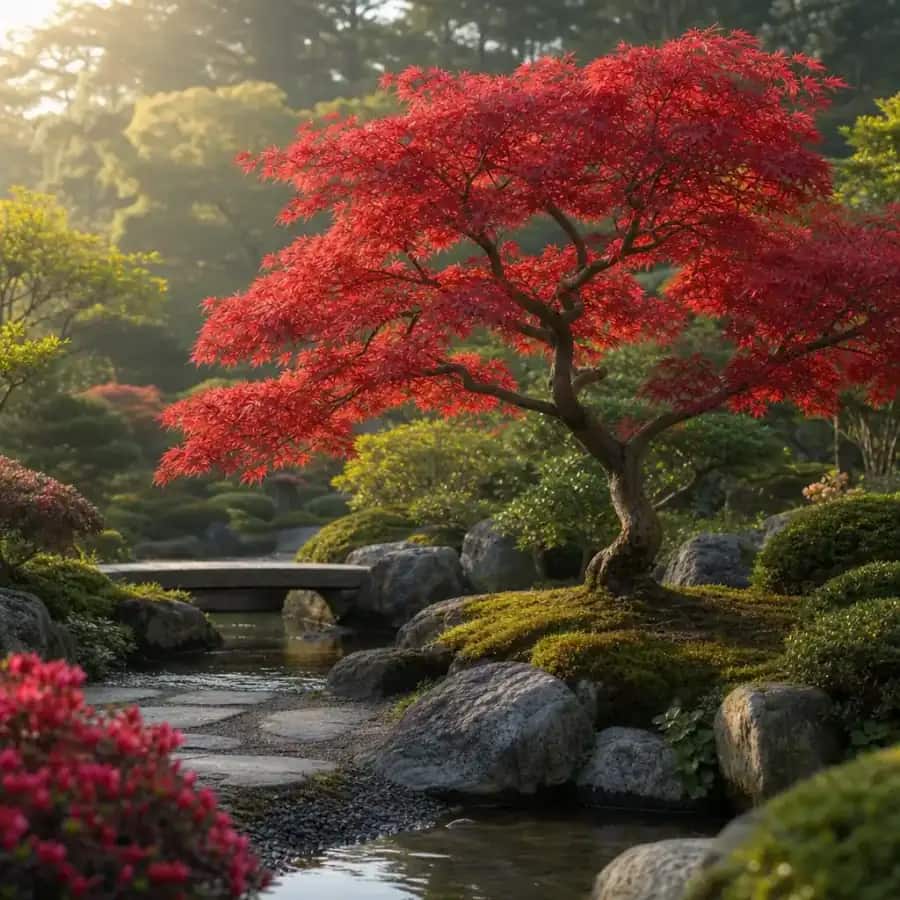 Japanese MaplesDelicate structure and fall color for smaller spaces.
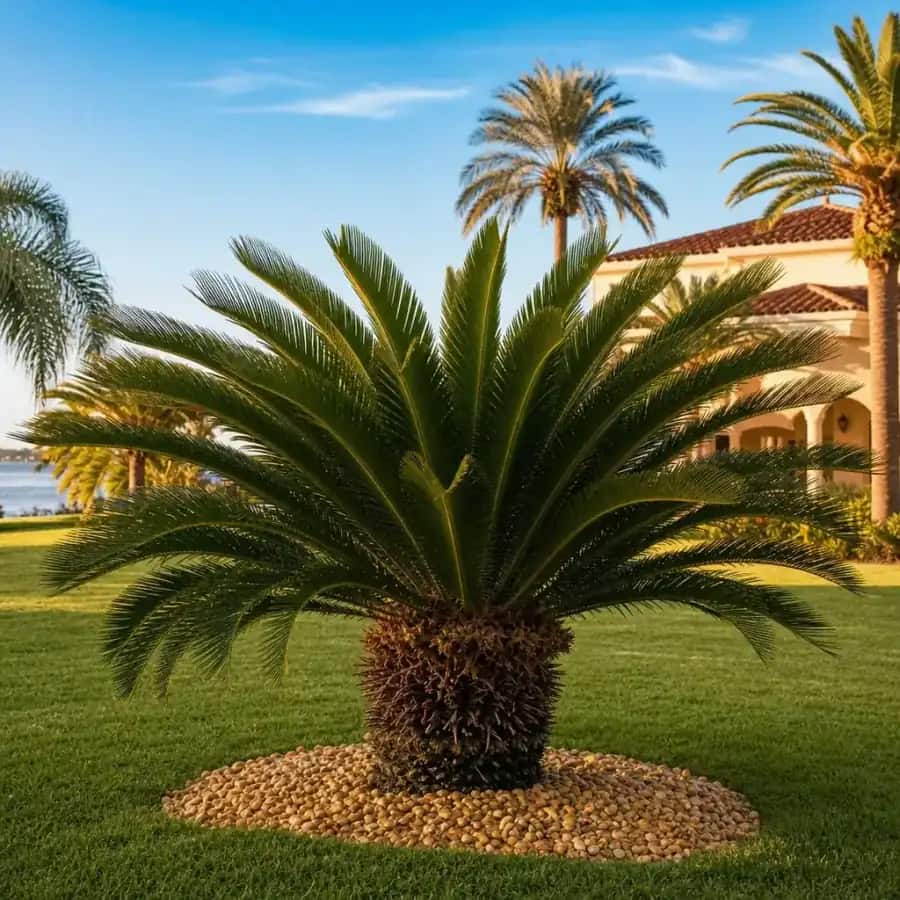
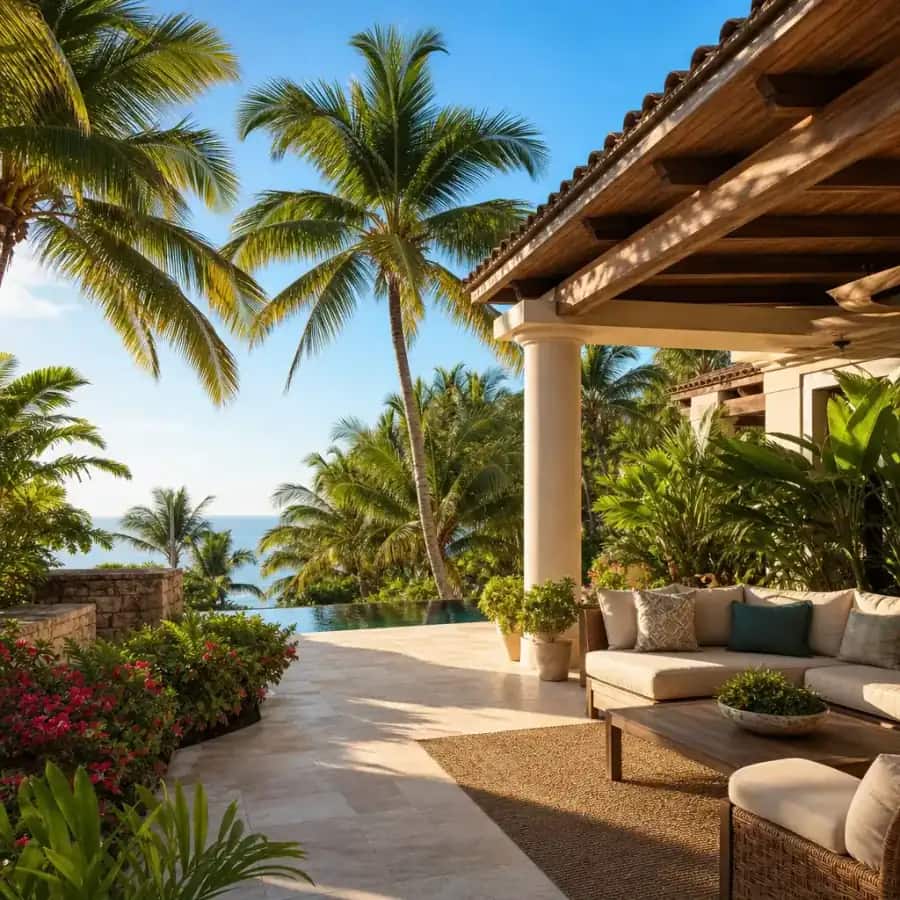 Palms & TropicalsBold texture that thrives in humid, mild climates.View all Palms & Tropicals →
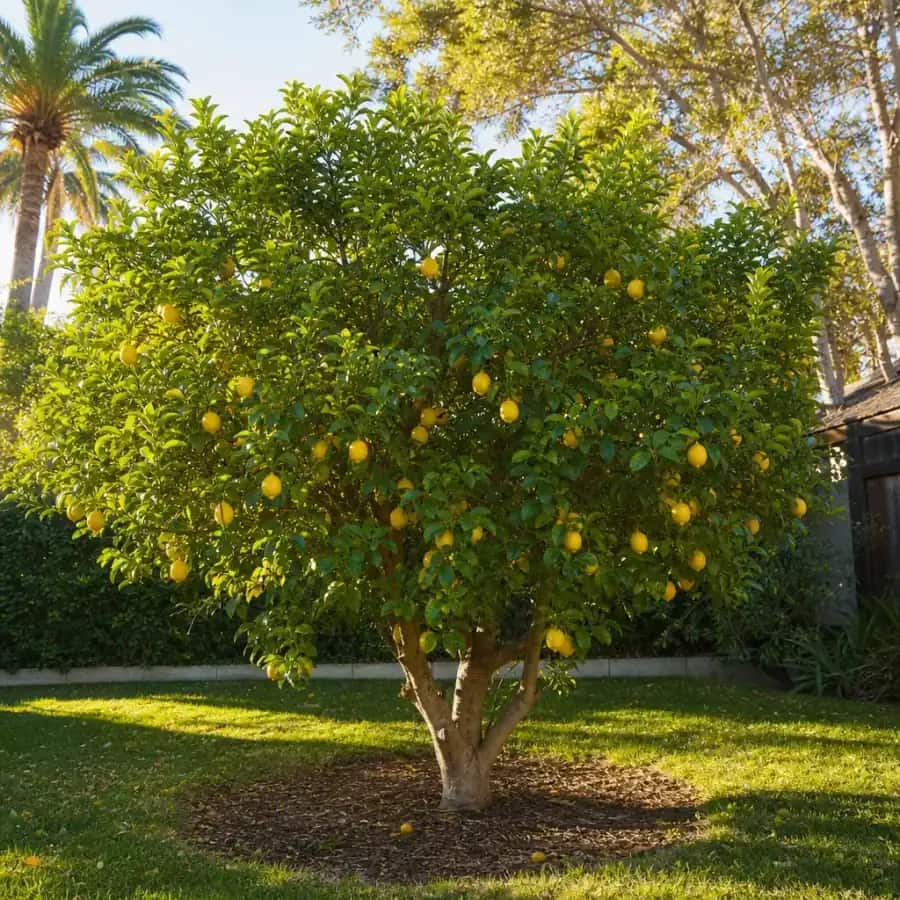
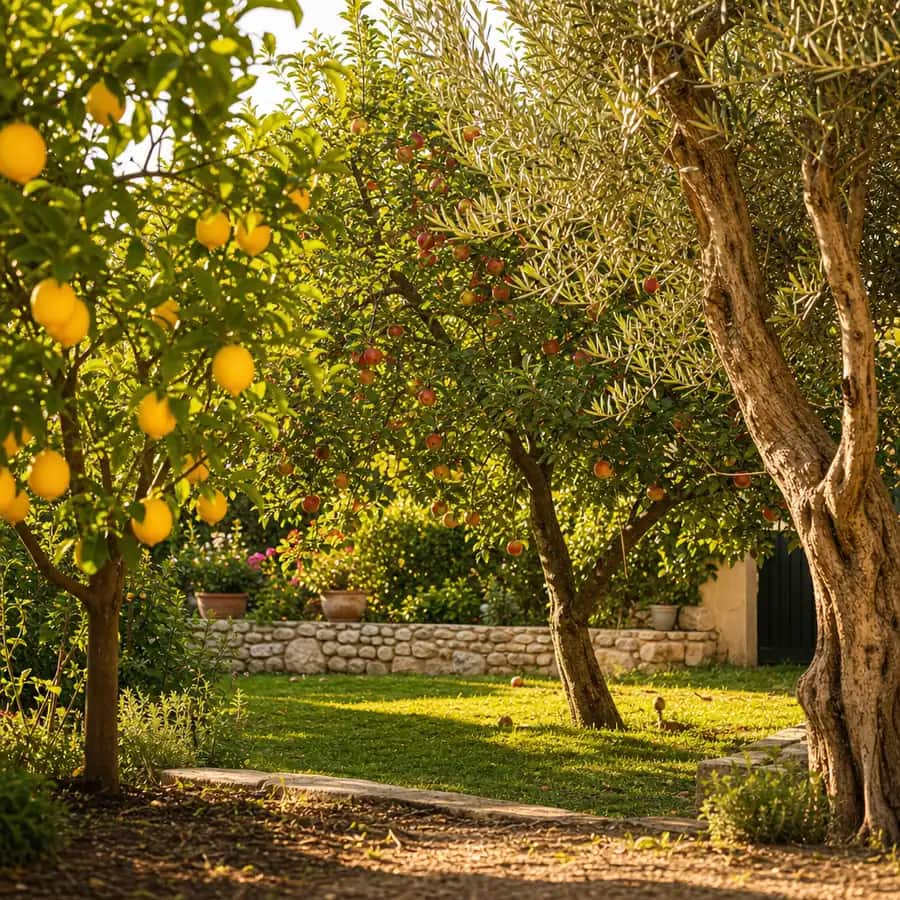 Fruit TreesReliable harvests for home orchards in zone 9.View all Fruit Trees →
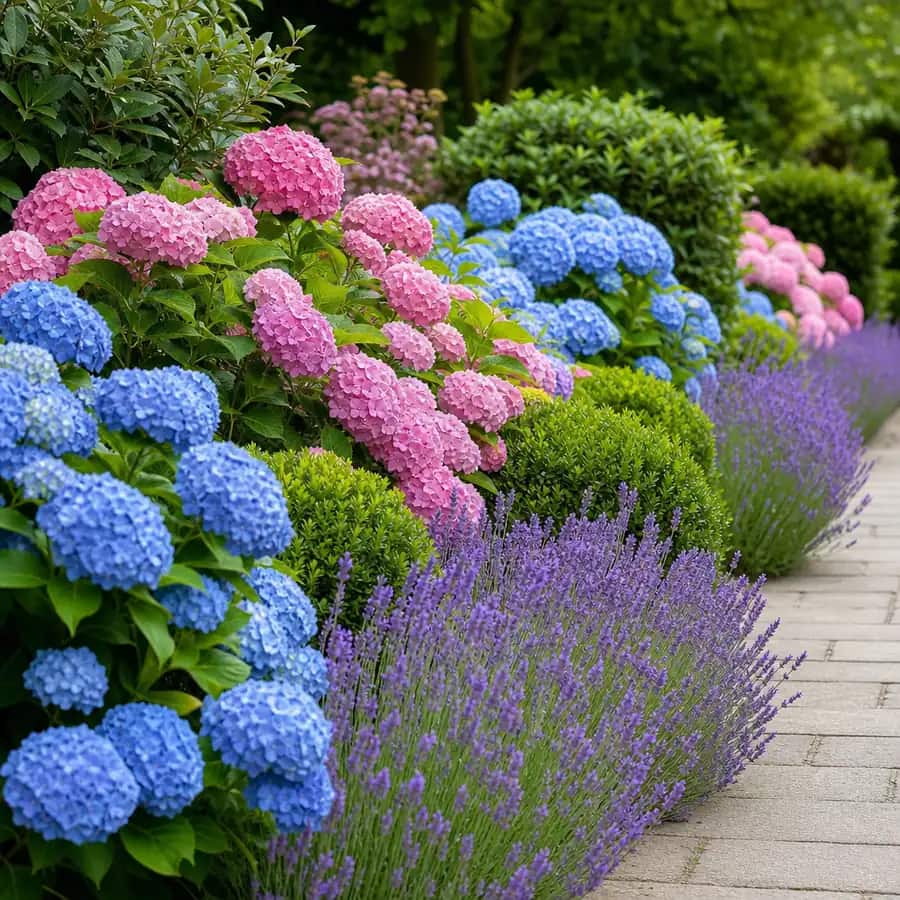 Shrubs & HedgesFoundation plants and low-maintenance borders.View all Shrubs & Hedges →
Local fit, from data
8b to 9a
about 15 to 25 F
120
Seattle
Arbor Buddy ships large, nursery-grown shade, privacy, and fruit trees directly to homeowners and contractors in King County, Washington (WA). Every tree is matched to your yard's hardiness zone, and your order travels by freight during the fall-to-early-spring stretch. King County spans zones 8b to 9a, so the trees you choose here need mild winters and a long growing season.
King County covers 120 ZIP codes spanning USDA zones 8b to 9a. Typical winter lows run about 15 to 25 degrees Fahrenheit. At the colder end, near zone 8b, you have more leeway for trees like the Chicago Hardy Fig that need a true winter chill. At the warmer zone 9 end, near Seattle, mild winters let you grow palms and tropical accents that would not survive colder areas.
Summers in King County are generally cool and damp compared to inland climates. That means trees for zone 9 in King County often prefer consistent moisture and do not experience the scorching heat that stresses some ornamentals. Shade trees and evergreens that thrive in humidity, like the Little Gem Southern Magnolia, perform well here. The key is matching each tree's tolerance to your specific spot, whether you are on the moist coastal side or the slightly drier inland valleys.
The western part of the county tends to stay cooler and wetter, while the eastern rural fringe can be a bit warmer and drier in summer. No matter where you live, the trees listed above are already hardy within the county's zone range, so you can order with confidence.
Trees ship during the fall-to-early-spring stretch to avoid peak summer heat. This timing lets the tree establish roots in cool soil before the growing season. Your order is matched to zone 8b to 9a before it leaves the nursery.
Dura Heat River Birch and Bald Cypress are strong choices for shade in King County. The birch handles moist, low-lying spots, while the cypress adapts to both wet and dry sites. Both tolerate the county's mild winters and moderate summers.
All trees arrive at a large, nursery-grown size that makes an immediate landscape impact. They are shipped by freight and delivered on a pallet so you can plant them the same season. Exact dimensions vary by species, but each tree is ready to plant right away.
Trees that thrive in zones 8b to 9a do best here. That includes the Texas Redbud, Little Gem Southern Magnolia, Dwarf Palmetto Palm, and Chicago Hardy Fig. Each is already field-grown in this zone range and backed by the 1-Year Thrive Guarantee.
Browse the trees that match your yard's zone and your goals. Arbor Buddy ships large, nursery-grown trees directly to your door in King County. Every order comes with a 1-Year Thrive Guarantee, so you can plant with confidence. Pick your favorites and place your order online today.
Knowing how other climates differ helps you see why your tree choices in King County make sense. Here, the zone usually pushes the choice toward trees that handle mild winters and steady moisture, unlike colder or drier regions.
Garfield County, Colorado (CO) sits in zones 6a to 6b with winter lows of -10 to 0 degrees Fahrenheit. That cold eliminates many of the palms and broadleaf evergreens that thrive in King County. A tree like the Chicago Hardy Fig that can survive a freeze in zone 9 would not make it through a Colorado winter without heavy protection. Here, the zone usually pushes the choice toward trees that handle heat and humidity, not deep cold. The practical difference is that King County buyers can consider tropical accents like the Dwarf Palmetto Palm, while Garfield County buyers need extra-hardy deciduous trees.
Tolland County, Connecticut (CT) also falls in zones 6a to 6b with similar winter lows. Its summers are more humid, but the cold limits the same categories. Locally, that points buyers toward cold-hardy shade trees like maples and oaks rather than southern magnolias. In King County, you can plant a Little Gem Southern Magnolia without worrying about winter damage. The practical difference is that your year-round greenery options are much broader here.
Kent County, Delaware (DE) is in zone 7b with winter lows of 5 to 10 degrees Fahrenheit. That is colder than King County's 8b to 9a but still milder than the Colorado or Connecticut examples. Trees like the Texas Redbud can survive in both zones, but in Delaware they face colder snaps and more variable snow cover. Locally, that points buyers toward trees with reliable cold tolerance, while in King County you can push the envelope with slightly tender species like the Chicago Hardy Fig. The practical difference is that your planting window for borderline-hardy trees is wider.
For you in King County, the contrasts mean you can grow a mix of southern and temperate trees that would struggle or fail in colder or more extreme climates. Your cart can include palms, magnolias, and fig trees alongside classic shade trees, as long as you respect the wet winters and mild summers.
Your tree ships by freight directly to you in King County at a large, nursery-grown size. Zone 9 orders travel in the fall-to-early-spring stretch, not peak summer. You or someone else must be home to receive the tree and inspect it. The freight truck needs a street with room to stop or turn, so long or narrow driveways, soft ground, and low branches or wires can be challenges.
Before delivery day, check:
Every tree comes with Arbor Buddy's 1-Year Thrive Guarantee. If it does not survive its first year, you get a free replacement. This coverage applies to your county's zone range, so the tree is already matched to your climate before it ships.
Enter your ZIP, shop only what thrives in your zone.
Freight delivery to your address: $149 flat per order, shown at checkout.
Plant it, watch it thrive, covered for one year.
Good to know · Growing guide
Coverage runs a full year from delivery. If something goes wrong, contact the team and they arrange the replacement. No store-credit games, no fine-print maze.