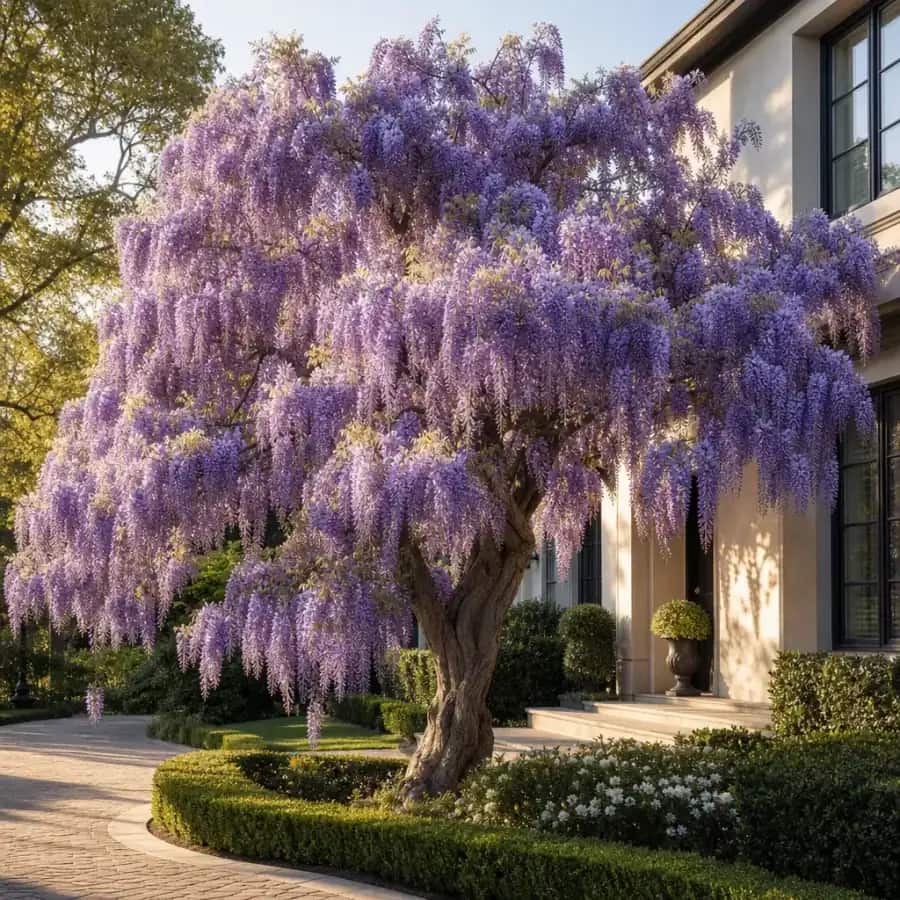
 Zones 4 to 9
Shade Trees
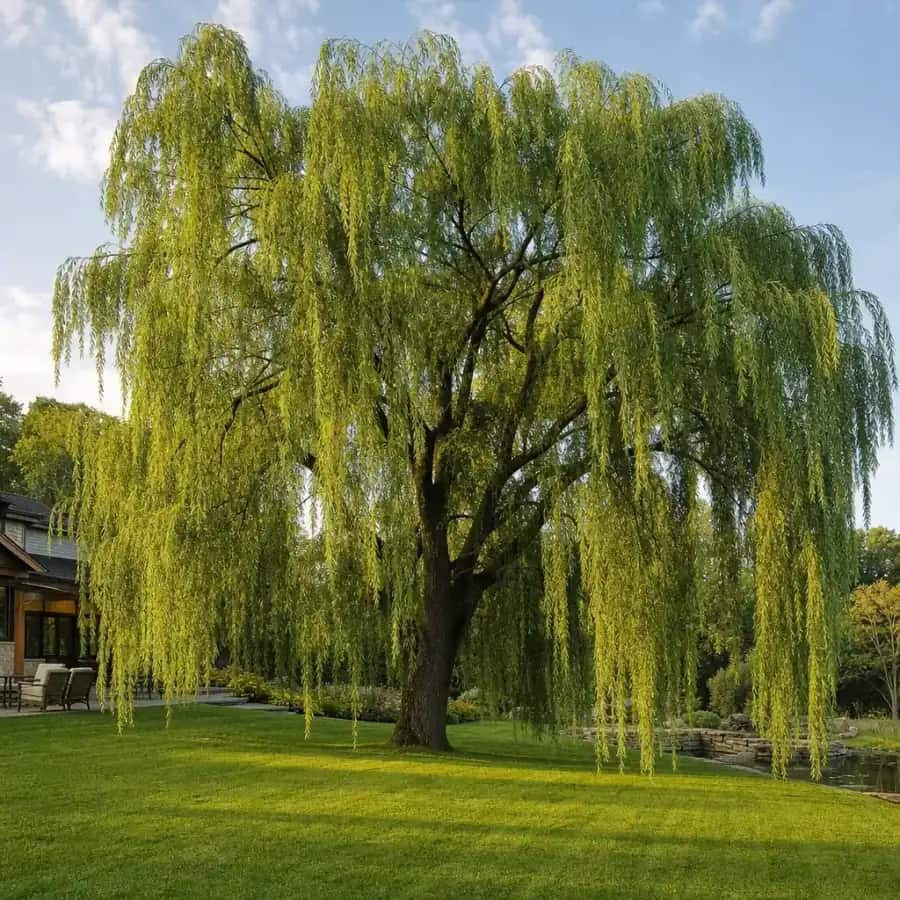
Weeping Willow
$40
Shop large, nursery-grown shade, privacy, flowering and fruit trees, delivered by freight in Seattle. Every tree is matched to your hardiness zone and backed by our 1-Year Thrive Guarantee.
Enter your ZIP and we'll match trees to your exact growing zone.
Typical winter lows in Seattle run about 20 to 25 F.
Matched to Seattle's zone
Shop by category
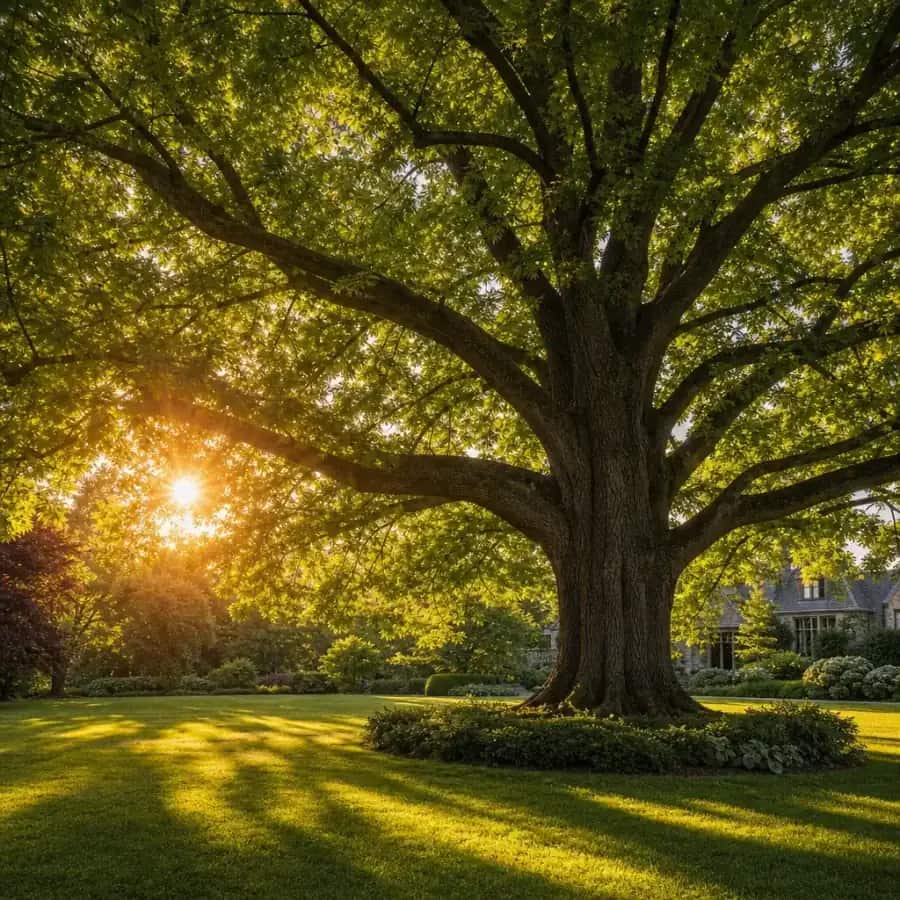 Shade TreesPlant a canopy that eases your cooling bill during Seattle's warm months.View all Shade Trees →
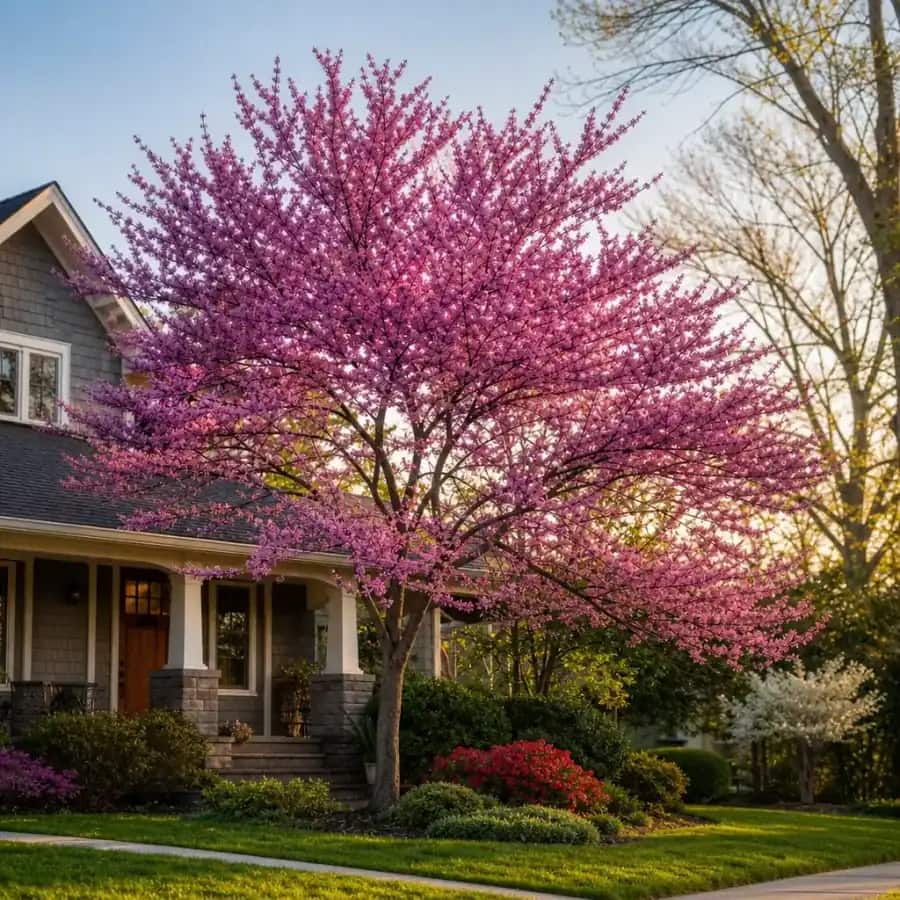
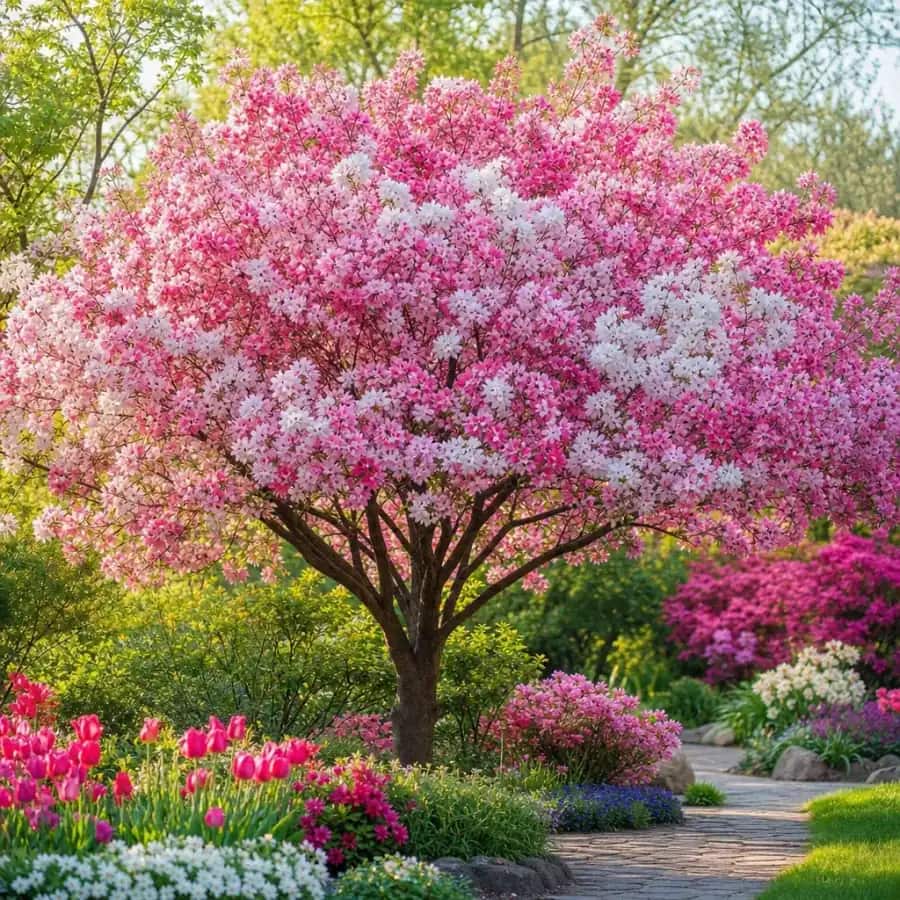 Flowering & OrnamentalAdd seasonal color that stands out against the gray winter sky.View all Flowering & Ornamental →
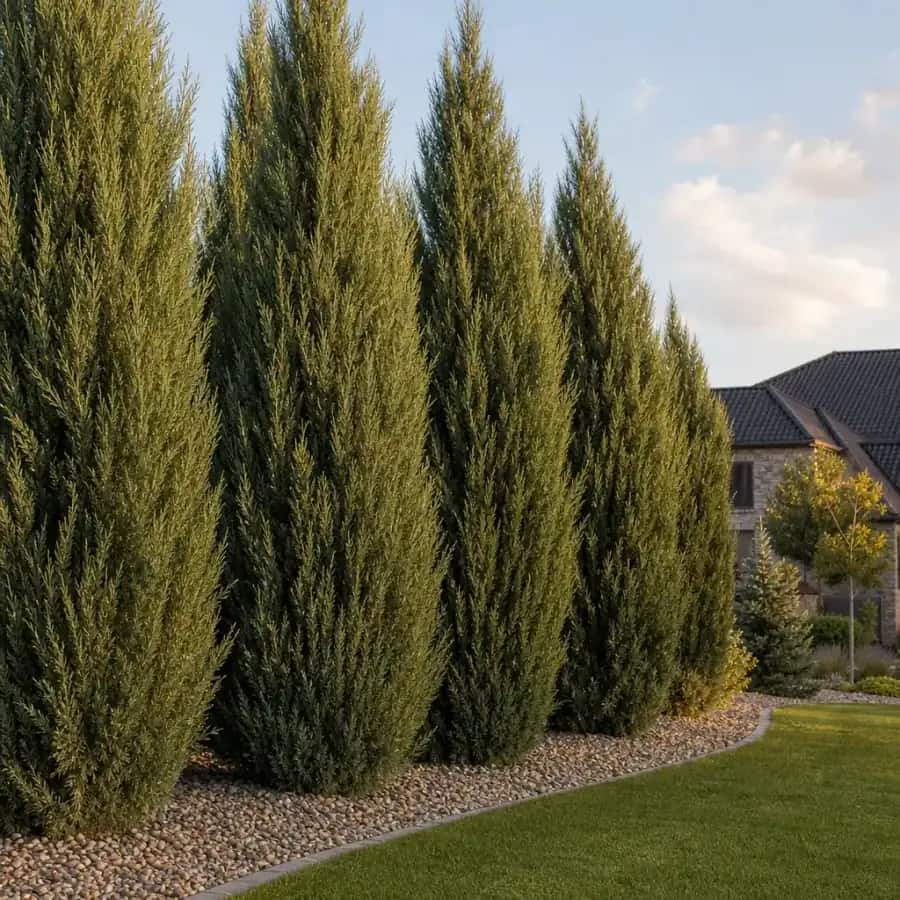
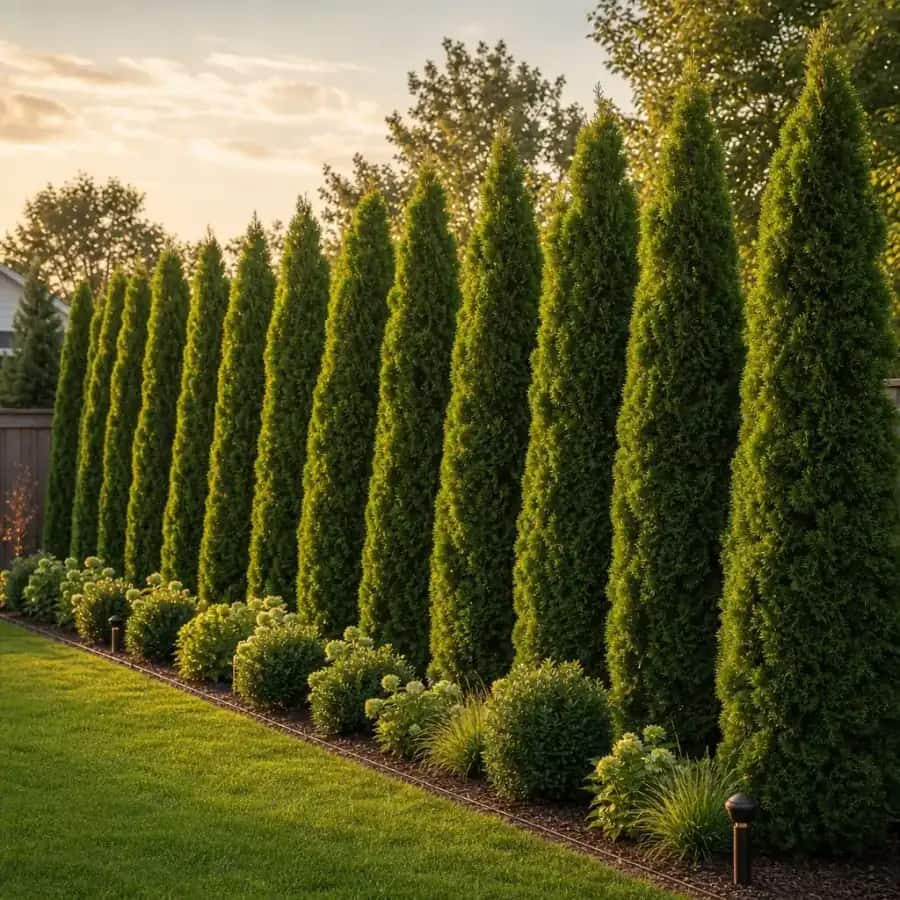 Evergreen & PrivacyBlock wind and neighbors with year-round foliage that thrives in zone 9a.View all Evergreen & Privacy →
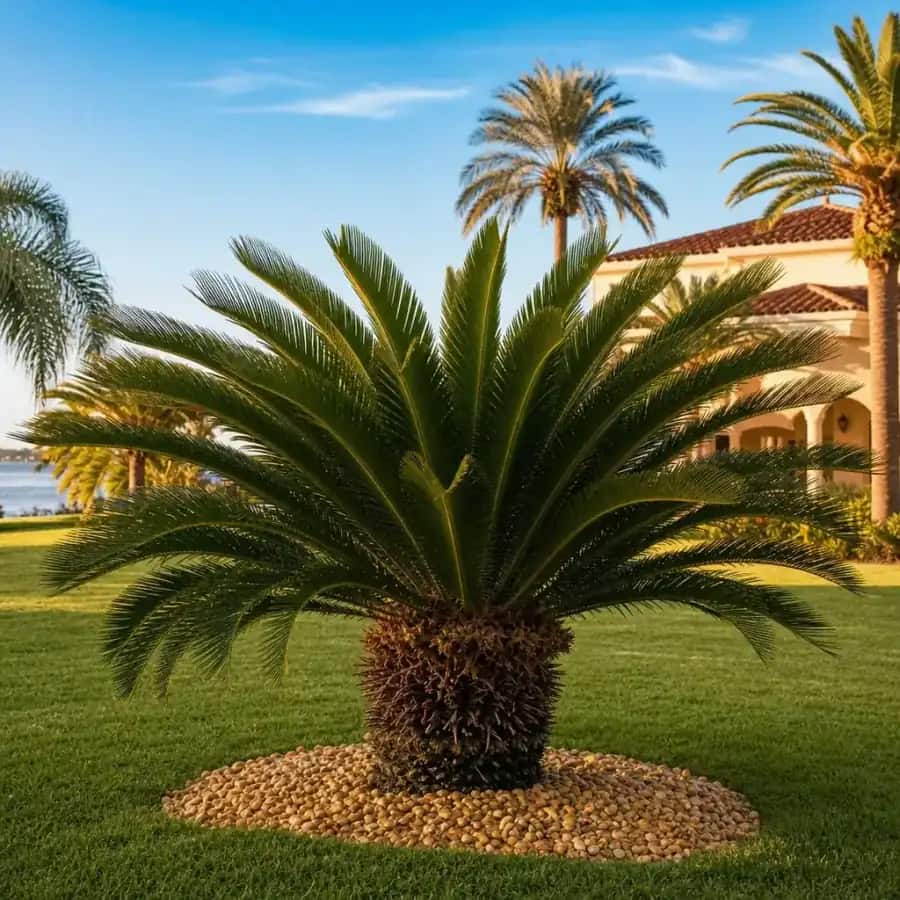
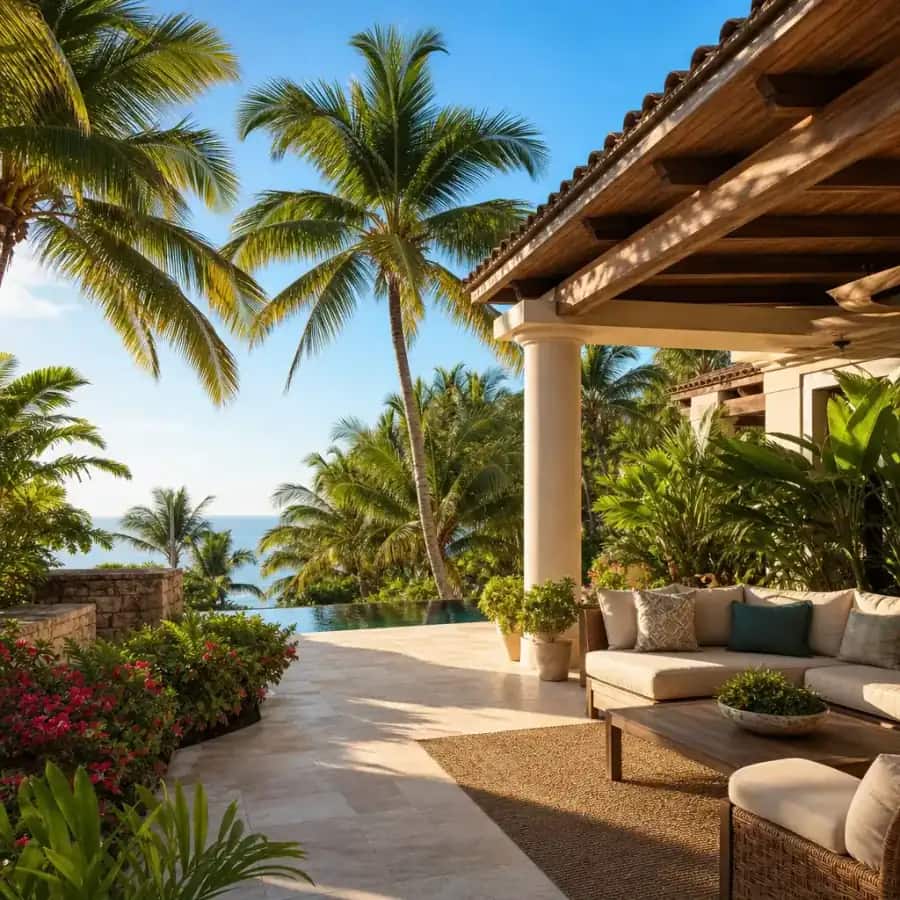 Palms & TropicalsBring a subtropical feel to your yard without worrying about freeze damage.View all Palms & Tropicals →
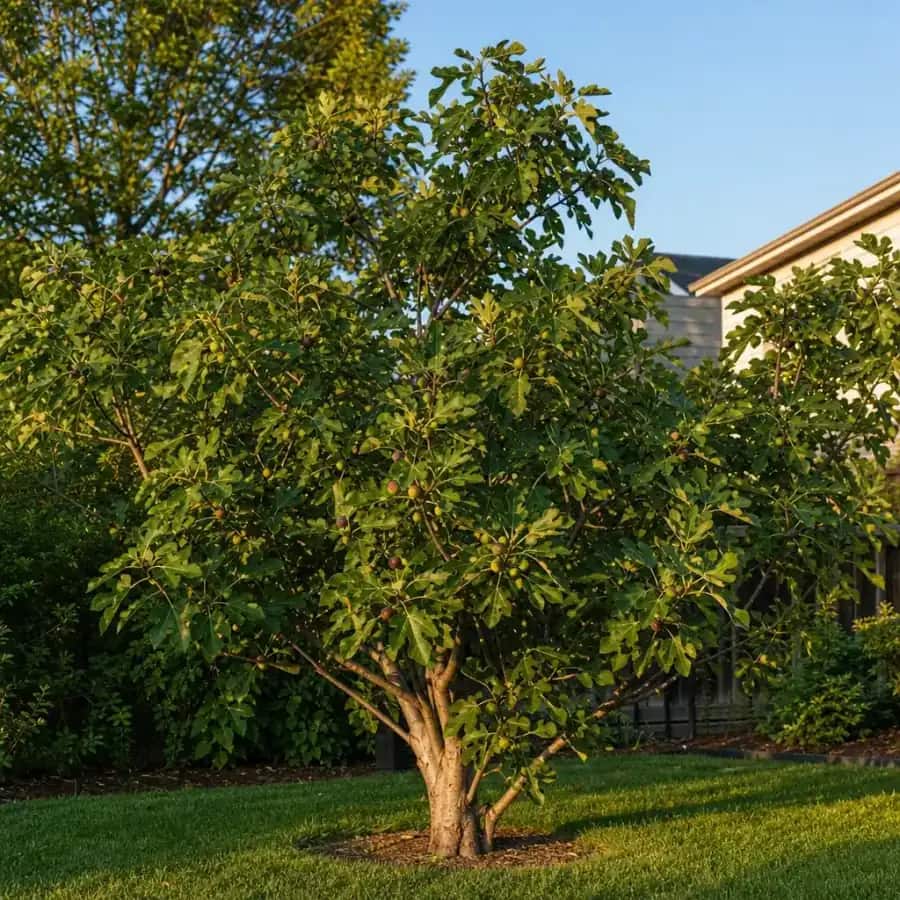
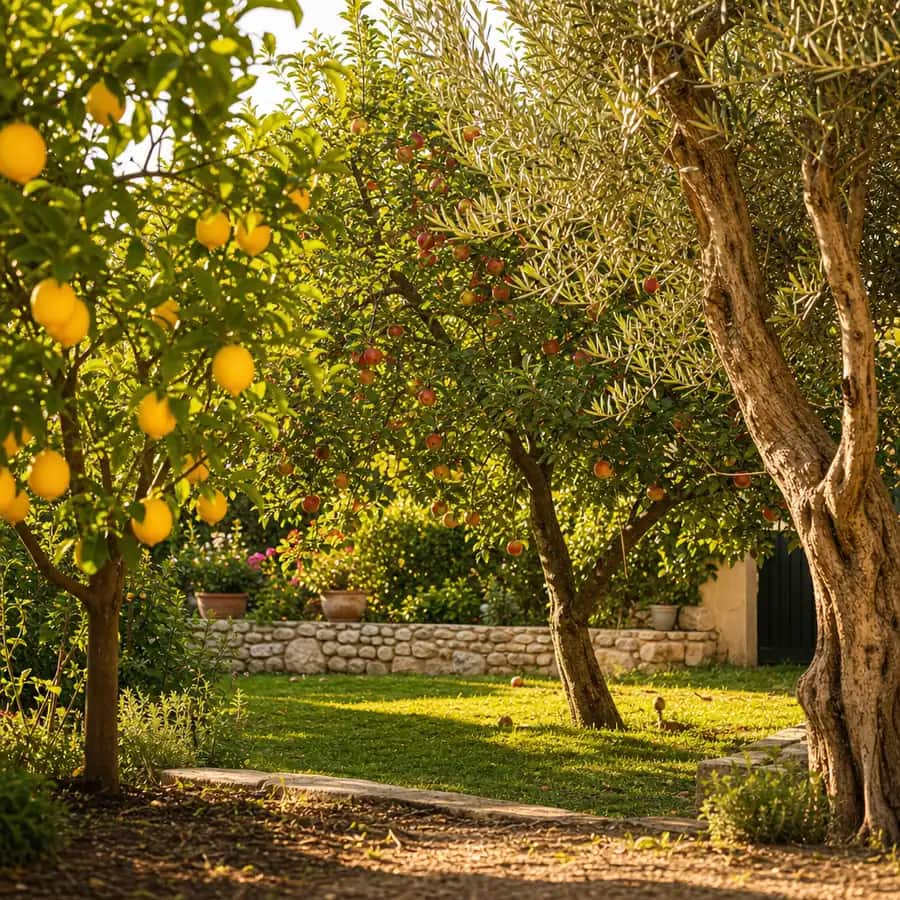 Fruit TreesHarvest lemons, figs, and peaches that ripen during your long growing season.View all Fruit Trees →
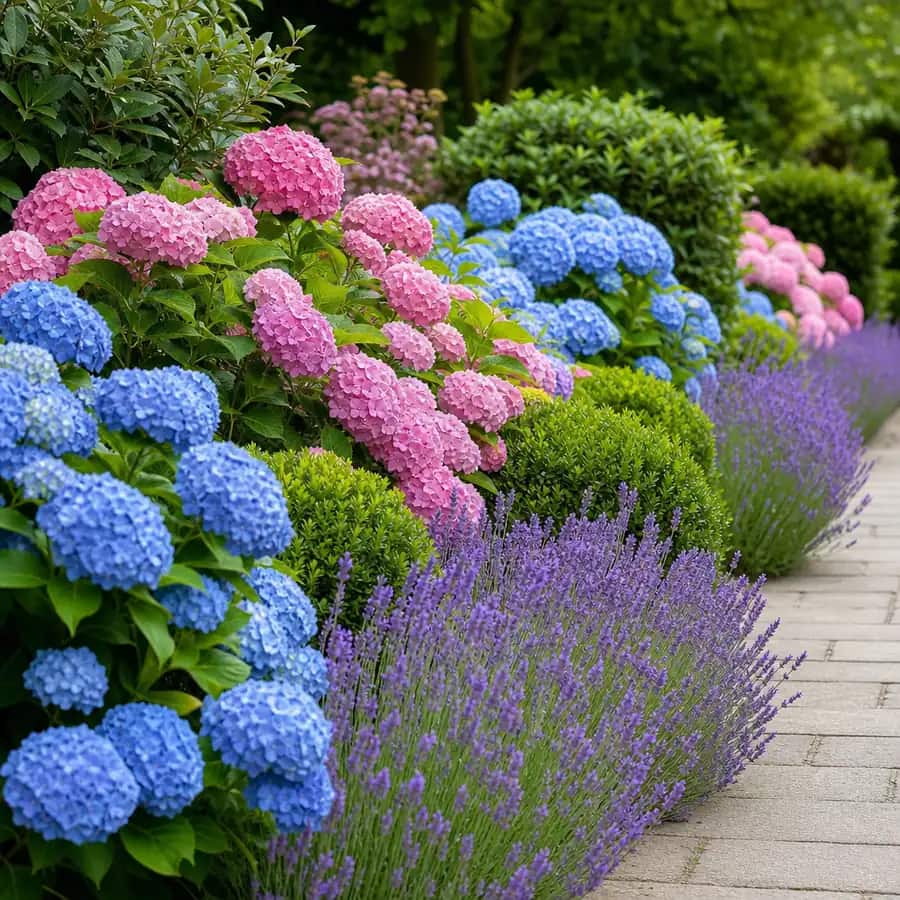 Shrubs & HedgesDefine borders with hardy lavender, holly, and hydrangea that handle wet winters.View all Shrubs & Hedges →
Local fit, from data
9a
about 20 to 25 F
King County
Washington
Trees delivered to Seattle, WA 98166 from Arbor Buddy are large, nursery-grown specimens shipped by freight. Homeowners and contractors find shade, privacy, flowering, fruit, tropical, and hedge trees here. Every tree is matched to your hardiness zone, so zone 9a picks like the Allee Chinese Elm and Meyer Lemon Tree arrive ready to thrive.
Browse the featured selections below. Each tree suits the mild winter lows of your ZIP.
Seattle's zone 9a means winter lows around 20 to 25 degrees F. That mild climate lets you grow a mix of deciduous and evergreen trees that would struggle in colder zones. You can plant shade trees like the Allee Chinese Elm, flowering crape myrtles, and even tropicals like the Jelly Palm. The Meyer Lemon Tree needs protection below 20, but a patio pot moved indoors works well.
Most trees for zone 9 in Seattle benefit from the area's wet winters and cool summers. Shade trees and evergreens anchor your yard, while flowering ornamentals add seasonal interest. Palms and fruit trees give a subtropical feel that surprises visitors. Arbor Buddy matches each tree to your exact zone, so you get a variety that fits your local conditions.
Place names like Duvall, Baring, Burton, and Hobart share similar zone conditions, but your ZIP 98166 sits in the warmer part of King County. The featured trees above are all hardy in your zone and ready to ship.
The Allee Chinese Elm is a top fast grower for zone 9a in Seattle. It adds shade quickly and resists disease. Other fast options include hybrid poplars, but the elm gives you a strong, upright shape.
The Allee Chinese Elm is a great choice for shade in your zone. It grows fast and stays healthy in Seattle's climate. Oaks and maples also work, but the elm is especially suited to your area.
Arbor Buddy ships large, nursery-grown trees that are ready to plant. The exact size depends on the species, but expect a usable landscape size that establishes well in your yard. Each tree comes in a container or with a root ball.
Yes, you can grow fruit trees in zone 9a. The Meyer Lemon Tree is a popular choice for your ZIP, provided you protect it when temperatures drop below 20 degrees F. Other fruit trees like figs and peaches also do well in Seattle's mild winters.
For shade, privacy, flowering, fruit, and accent trees matched to your zone in ZIP 98166, Arbor Buddy ships large, nursery-grown trees with a 1-Year Thrive Guarantee. Browse the trees suited to your area and order online.
Your ZIP 98166 in Seattle, Washington (WA) sits in zone 9a with winter lows around 20 to 25 degrees F. That climate is milder than many other parts of the country, which changes what trees you can plant.
Consider ZIP 23805 in Petersburg, Virginia (VA), which is zone 7b with lows of 5 to 10 degrees F. That colder zone limits flowering trees like crape myrtles to hardier selections. For your cart, that means you can grow more colorful options like the Thunderstruck Lavender Skies Crape Myrtle without worrying about dieback. Seattle's milder lows let you enjoy a wider range of flowering ornamentals.
Now take ZIP 05772 in Stockbridge, Vermont (VT), zone 5a with lows down to -20 to -15 degrees F. That zone is too cold for most broadleaf evergreens and this crape myrtle. That gap changes the local shortlist to conifers like white pine. In contrast, your Seattle yard can use evergreens like Oakleaf Red Holly for privacy without winter damage. You have more screening choices.
Finally, ZIP 84729 in Glendale, Utah (UT), zone 6b with lows -5 to 0 degrees F, can grow some palms but only the most cold-hardy ones like the Chinese Windmill Palm. In practice, buyers here lean toward palms that survive Utah's dry cold. Your zone 9a in Seattle can grow the Jelly Palm and even the Meyer Lemon Tree with a little frost protection. The warmer winter lows give you more tropical and citrus options.
What does this mean for your cart? Seattle's moderate winters let you focus on shade, privacy, and fruit trees that struggle in colder zones. You can order with confidence that your zone-matched tree will thrive.
Arbor Buddy ships large, nursery-grown trees by freight to ZIP 98166 and nearby areas. Delivery also covers the other Seattle ZIPs: 98160, 98161, 98164, 98165, 98168, 98170. A freight truck needs street access with room to stop and turn. Your driveway should be clear of low branches or wires. Someone must be home to receive the tree and inspect it.
Deliveries into zone 9 land in fall through early spring, when planting weather is on your side. Every tree is zone-tested before shipping and backed by a 1-Year Thrive Guarantee: if it doesn't survive its first year, you get a free replacement.
Before delivery day, check:
Enter your ZIP, shop only what thrives in your zone.
Freight delivery to your address: $149 flat per order, shown at checkout.
Plant it, watch it thrive, covered for one year.
Good to know · Growing guide
Coverage runs a full year from delivery. If something goes wrong, contact the team and they arrange the replacement. No store-credit games, no fine-print maze.